
By Zeroo Health Editorial Team Last updated: October 24, 2026
Every second, human cells execute trillions of chemical reactions that sustain life, mend damaged DNA, and generate metabolic energy. At the molecular center of this maintenance network sits the connection between NMN sirtuins, a biological partnership that dictates how cells respond to metabolic stress and chronological aging.
Nicotinamide mononucleotide (NMN) is a bioactive nucleotide that serves as a direct biochemical precursor to nicotinamide adenine dinucleotide (NAD+). Nicotinamide adenine dinucleotide (NAD+) is an indispensable coenzyme found in all living cells, required for mitochondrial ATP production and the enzymatic survival functions of cellular repair proteins. Sirtuins represent a conserved family of seven deacylase enzymes (designated SIRT1 through SIRT7) that regulate epigenetic expression, mitochondrial health, and metabolic balance.
Because sirtuins cannot function without consuming NAD+ at every catalytic step, natural age-related NAD+ depletion directly deprives sirtuins of their enzymatic fuel. Exploring how precursor supplementation interacts with sirtuin pathways reveals the real cellular mechanics behind modern longevity science.
Quick Answer
The biological relationship between NMN and sirtuins operates through enzymatic fuel availability. Nicotinamide mononucleotide (NMN) biosynthesizes into nicotinamide adenine dinucleotide (NAD+), which sirtuins consume as an obligate co-substrate. By restoring intracellular NAD+ concentrations, NMN enables SIRT1 activation and stimulates downstream metabolic pathways that regulate mitochondrial biogenesis and cellular repair.
Key Takeaways
-
Sirtuins Consume NAD+: Unlike metabolic enzymes that simply shuttle electrons, sirtuins physically cleave an NAD+ molecule during every deacetylation cycle, making sirtuin activity dependent on cellular NAD+ pools.
-
SIRT1 Directs Metabolic Defenses: Supplying NMN elevates systemic NAD+ availability, which supports SIRT1 activation to deacetylate downstream transcription factors including PGC-1α and FOXO.
-
Seven Specialized Enzymes: Mammalian sirtuins operate in distinct cellular compartments: SIRT1, SIRT6, and SIRT7 govern the nucleus; SIRT2 regulates the cytoplasm; and SIRT3, SIRT4, and SIRT5 safeguard mitochondrial respiration.
-
Human Evidence Measures Functional Endpoints: Clinical trials verify that oral NMN raises human blood NAD+ metabolites and enhances muscle insulin sensitivity and aerobic capacity, although direct non-invasive measurement of tissue sirtuins in living humans remains a technical challenge.
-
Lifestyle Works Synergistically: Exercise and caloric restriction activate sirtuins by triggering cellular energy sensors like AMPK, making physical movement an essential complement to precursor supplementation.
Table of Contents
-
About This Evidence Review
-
What Are Sirtuins and Why Do They Depend on NAD+?
-
How Does NMN Fuel SIRT1 Activation?
-
What Are the Seven Mammalian Sirtuins and Where Do They Function?
-
Mammalian Sirtuin Family Comparison
-
Original Asset Specification: The Cellular NMN-to-Sirtuin Axis
-
What Does Human Clinical Research Show About NMN and Sirtuin Function?
-
Where Do Natural Lifestyle Interventions Outperform NMN for Sirtuin Activation?
-
What Are the Safety Limits, Contraindications, and Regulatory Cautions?
-
How to Choose a Verified Quality NMN Supplement in Canada
-
Frequently Asked Questions
-
References
About This Evidence Review
This review evaluates peer-reviewed human clinical trials, mammalian in-vivo laboratory studies, and published enzymology monographs to clarify the link between precursor supplementation and sirtuin biochemistry. Readers should note that while molecular mechanisms and enzymatic kinetics are well established in mammalian biology, human clinical trials have focused primarily on circulating blood NAD+ metabolites, physical stamina, and insulin sensitivity. Where human evidence is incomplete or where animal models do not directly translate to clinical practice, this analysis explicitly differentiates proven metabolic mechanisms from theoretical healthspan projections.
What Are Sirtuins and Why Do They Depend on NAD+?
Sirtuins are a conserved family of seven deacylase enzymes that regulate cellular health, epigenetic gene expression, and DNA integrity. Unlike typical enzymes that use coenzymes merely as catalytic aids, sirtuins physically cleave and consume nicotinamide adenine dinucleotide (NAD+) during every deacetylation cycle, making their cellular activity strictly dependent on intracellular NAD+ availability.

When biologists discuss what are sirtuins, they are describing an evolutionary class of enzymes initially discovered in baker's yeast (Saccharomyces cerevisiae) as Sir2 (Silent Information Regulator 2). In early yeast research, scientists observed that extra copies of the Sir2 gene suppressed genomic instability and prolonged replicative lifespan. Mammals possess seven distinct homologs, labeled SIRT1 through SIRT7, each tasked with maintaining specific cellular compartments and metabolic checkpoints.
The critical biochemical attribute separating sirtuins from other cellular enzymes is their absolute requirement for NAD+. In conventional redox biochemistry, NAD+ accepts hydride ions to become NADH, shuttling high-energy electrons through the mitochondrial electron transport chain to generate adenosine triphosphate (ATP). In that role, the NAD+ molecule is never destroyed; it merely changes oxidation states.
Sirtuins treat NAD+ completely differently. During a deacetylation reaction, a sirtuin removes an acetyl chemical group from a target protein's lysine residue. To complete this reaction, the sirtuin must break the high-energy bond linking the nicotinamide ring to the ADP-ribose group in NAD+. This enzymatic reaction yields three distinct molecules:
-
The deacetylated target protein (restoring or altering its functional state).
-
Nicotinamide (NAM), which serves as a natural feedback inhibitor of sirtuins.
-
2'-O-acetyl-ADP-ribose, a specialized signaling metabolite.
Because an entire NAD+ molecule is consumed in every single catalytic cycle, a cell cannot sustain sirtuin activity if systemic NAD+ pools decline. Research published by Imai and Guarente (2014) demonstrates that intracellular NAD+ concentrations fall substantially between early adulthood and middle age. This decline starves sirtuins of their mandatory co-substrate, reducing the cell's enzymatic capacity to repair DNA, suppress systemic inflammatory signals, and maintain mitochondrial biogenesis.
How Does NMN Fuel SIRT1 Activation?
Nicotinamide mononucleotide triggers SIRT1 activation by directly replenishing the intracellular NAD+ pool. Inside the cell, nicotinamide mononucleotide adenylyltransferases rapidly conjugate NMN with ATP to synthesize fresh NAD+. Elevated NAD+ concentrations bind to the catalytic domain of SIRT1, releasing the enzyme from metabolic dormancy and initiating the deacetylation of vital transcription factors like PGC-1alpha.

The molecular cascade leading to SIRT1 activation through oral NMN intake follows an enzymatic pathway known as the NAD+ salvage cycle. Dietary or supplemental NMN enters human circulation and is transported into cells through specialized transporters, including the Slc12a8 membrane transporter identified in small intestine and liver tissues. Once inside the cellular cytoplasm or nucleus, the enzyme nicotinamide mononucleotide adenylyltransferase (NMNAT) attaches an adenylyl group from ATP to NMN, generating fully functional NAD+.
The newly synthesized NAD+ binds directly to SIRT1, initiating three primary downstream cellular adaptations:
-
First, SIRT1 deacetylates PGC-1α (Peroxisome Proliferator-Activated Receptor Gamma Coactivator 1-alpha), switching on the master regulator of mitochondrial biogenesis. This process increases the density and efficiency of cellular power plants, supporting skeletal muscle energy and athletic endurance.
-
Second, SIRT1 deacetylates FOXO1 and FOXO3a transcription factors, promoting the expression of antioxidant defense enzymes like superoxide dismutase (SOD2) and initiating DNA repair cascades.
-
Third, SIRT1 deacetylates the p65 subunit of Nuclear Factor Kappa B (NF-κB), inhibiting this master inflammatory driver and dampening chronic inflammatory signaling.
SIRT1 exhibits a relatively high Michaelis constant (Km) for NAD+, meaning SIRT1 requires substantial concentrations of NAD+ to reach its optimal catalytic rate. When cellular NAD+ levels drop due to aging, sedentary lifestyles, or metabolic overnutrition, SIRT1 sits partially idle. Replenishing NAD+ through precursor supplementation satisfies this enzymatic affinity threshold, enabling SIRT1 to operate at its full physiological capacity.
Crucially, when SIRT1 consumes an NAD+ molecule, it cleaves off nicotinamide (NAM) as a byproduct. Excessive accumulation of free nicotinamide can bind to SIRT1's catalytic pocket, creating negative feedback inhibition that slows the enzyme down. Cells resolve this bottleneck through the enzyme nicotinamide phosphoribosyltransferase (NAMPT), which recycles NAM back into NMN. Because this salvage pathway slows with age, direct supplementation with exogenous NMN bypasses the rate-limiting NAMPT step, restoring NAD+ pools and preserving continuous SIRT1 activity. For individuals interested in supporting this pathway, maintaining cellular methylation balance is an important metabolic consideration when processing recycled nicotinamide metabolites.
What Are the Seven Mammalian Sirtuins and Where Do They Function?
Mammals possess seven distinct sirtuins distributed across specific cellular compartments. SIRT1, SIRT6, and SIRT7 operate primarily within the nucleus to maintain genomic stability and gene silencing. SIRT2 resides in the cytoplasm to govern cell cycle architecture. Meanwhile, SIRT3, SIRT4, and SIRT5 localize inside mitochondria to control oxidative stress defense, ATP generation, and amino acid metabolism.

While popular scientific literature often focuses exclusively on SIRT1, all seven sirtuins play distinct roles in cellular defense. Understanding their spatial organization illustrates why systemic NAD+ replenishment exerts widespread effects across human physiology.
1. Nuclear Sirtuins: SIRT1, SIRT6, and SIRT7
The nucleus houses the genetic blueprint of the cell, making nuclear sirtuins the primary guardians of genomic stability.
-
SIRT1: Regulates chromatin silencing and deacetylates transcription factors that dictate fat oxidation, glucose production, and cellular survival.
-
SIRT6: Acts as a specialized chromatin-bound deacetylase and mono-ADP-ribosyltransferase. SIRT6 deacetylates histone H3 lysine 9 (H3K9) and lysine 56 (H3K56), maintaining telomeric chromatin structure and facilitating double-strand DNA break repair. Research in transgenic mice demonstrated that overexpressing SIRT6 extended median lifespan by maintaining hepatic homeostasis and glucose control.
-
SIRT7: Resides within the nucleolus, where it interacts with RNA polymerase I to regulate ribosomal RNA (rRNA) transcription. SIRT7 prevents endoplasmic reticulum stress and deacetylates histone H3 lysine 18 (H3K18Ac) to preserve cellular identity.
2. Cytoplasmic Sirtuin: SIRT2
SIRT2 is the only sirtuin located primarily in the cytoplasm, although it can translocate to the nucleus during mitosis. SIRT2 deacetylates alpha-tubulin, modulating microtubule stability and cytoskeletal organization. During periods of nutrient deprivation, SIRT2 deacetylates forkhead transcription factors to stimulate gluconeogenesis and protect central nervous system myelin sheaths against oxidative degradation.
3. Mitochondrial Sirtuins: SIRT3, SIRT4, and SIRT5
Mitochondria produce cellular ATP through oxidative phosphorylation, generating reactive oxygen species (ROS) in the process. Mitochondrial sirtuins preserve organelle integrity:
-
SIRT3: The primary mitochondrial deacetylase. SIRT3 directly deacetylates and activates enzymes of the tricarboxylic acid (TCA) cycle and electron transport chain, including Complex I and succinate dehydrogenase (Complex II). SIRT3 also activates isocitrate dehydrogenase 2 (IDH2) and manganese superoxide dismutase (MnSOD), neutralizing mitochondrial free radicals.
-
SIRT4: Operates as an ADP-ribosyltransferase and lipoamidase. Rather than promoting ATP synthesis, SIRT4 represses mitochondrial glutamate dehydrogenase (GDH) activity, modulating insulin secretion from pancreatic beta cells in response to circulating amino acids.
-
SIRT5: Possesses weak deacetylation activity but functions as a potent desuccinylase, demalonylase, and deglutarylase. SIRT5 modifies carbamoyl phosphate synthetase 1 (CPS1) in the urea cycle, facilitating the detoxification of ammonia generated during protein catabolism.
Mammalian Sirtuin Family Comparison
The following table summarizes the structural attributes, subcellular distributions, and current evidence levels for each of the seven human sirtuins:
| Sirtuin | Cellular Location | Primary Enzymatic Action | Key Biological Targets | Evidence Level (Healthspan) |
| SIRT1 | Nucleus & Cytoplasm | Deacetylase | PGC-1α, FOXO1/3/4, p53, NF-κB | High (Human biomarkers & rodent longevity) |
| SIRT2 | Cytoplasm (Nucleus during mitosis) | Deacetylase | α-Tubulin, PEPCK, FOXO1 | Moderate (Mammalian cell models & rodent kinetics) |
| SIRT3 | Mitochondria | Deacetylase | Complex I, MnSOD, IDH2, LCAD | Moderate-High (Human exercise trials & rodent models) |
| SIRT4 | Mitochondria | ADP-ribosyltransferase, Lipoamidase | Glutamate Dehydrogenase (GDH), PDH | Limited (Rodent metabolic & in-vitro studies) |
| SIRT5 | Mitochondria | Desuccinylase, Demalonylase | CPS1, Cytochrome c, SOD1 | Limited (Rodent liver & biochemical assays) |
| SIRT6 | Nucleus | Deacetylase, ADP-ribosyltransferase | Histone H3 (H3K9, H3K56), PARP1 | High (Rodent lifespan extension & DNA repair) |
| SIRT7 | Nucleolus | Deacetylase | RNA Polymerase I, Histone H3K18 | Limited (Cellular senescence & rodent oncology assays) |
Original Asset Specification: The Cellular NMN-to-Sirtuin Axis
To conceptualize how systemic NMN intake translates into organelle-specific sirtuin activation, researchers rely on structured biochemical pathway frameworks. The proposed infographic tracks this pathway across four defined phases:
-
Phase 1: Ingestion and Systemic Absorption: Oral NMN passes through the digestive tract and enters the bloodstream intact via specialized mucosal and intestinal transporters, including the Slc12a8 carrier.
-
Phase 2: Cellular Influx and Coenzyme Synthesis: Circulating NMN enters target tissue cells, where cytoplasmic and nuclear NMNAT enzymes conjugate NMN with ATP to synthesize functional NAD+.
-
Phase 3: Organelle Shuttling: Synthesized NAD+ supplies cytoplasmic pools, enters the nucleus to fuel chromatin-bound enzymes, and translocates across the inner mitochondrial membrane via the SLC25A51 carrier to charge mitochondrial matrix pools.
-
Phase 4: Sirtuin Recruitment and Downstream Epigenetics: Nuclear NAD+ activates SIRT1, SIRT6, and SIRT7 to regulate DNA repair and PGC-1α biogenesis; cytoplasmic NAD+ activates SIRT2 for cytoskeletal regulation; and mitochondrial NAD+ fuels SIRT3, SIRT4, and SIRT5 to manage respiration, free-radical clearance, and metabolic detoxification.

What Does Human Clinical Research Show About NMN and Sirtuin Function?
Human clinical trials confirm that oral NMN reliably elevates circulating NAD+ metabolites and improves skeletal muscle insulin sensitivity, aerobic capacity, and walking speed. However, while rodent studies demonstrate direct sirtuin-mediated lifespan extension, human data currently proves functional biomarker changes rather than systemic longevity, with direct in-vivo sirtuin enzymatic activity remaining challenging to measure non-invasively.

Translating pre-clinical rodent studies to clinical practice requires evaluating the human trials published over the past five years. While animal trials demonstrated that NMN extended running endurance in aged mice via endothelial SIRT1 activation, human trials provide a more grounded perspective on what supplemental NMN actually accomplishes:
-
The Washington University Trial (Yoshino et al., 2021): In a randomized, double-blind, placebo-controlled trial published in Science, researchers administered 250 mg of oral NMN daily for 10 weeks to 25 postmenopausal women with prediabetes who were overweight or obese. The trial established that NMN increased muscle insulin sensitivity by approximately 25%, enhanced insulin signaling via AKT and mTOR phosphorylation, and upregulated gene expression associated with muscle remodeling. Although SIRT1 expression was not directly altered, downstream metabolic improvements aligned with sirtuin-mediated insulin-sensitizing pathways.
-
The Multi-Dose Middle-Aged Adult Trial (Yi et al., 2023): A multicenter, double-blind study evaluated 80 healthy middle-aged adults divided into four groups receiving placebo, 300 mg, 600 mg, or 900 mg of oral NMN daily for 60 days. Whole-blood NAD+ concentrations increased significantly across all NMN groups, peaking in the 600 mg and 900 mg cohorts. Functional physical performance—evaluated via the 6-minute walking test—improved significantly in the 600 mg and 900 mg cohorts compared to placebo, showing tangible physical improvements alongside elevated coenzyme pools.
-
Older Adult Mobility and Muscle Trials (Igarashi et al., 2022): Conducted in healthy men aged 65 and older over 12 weeks with a daily dose of 250 mg NMN, this randomized trial demonstrated significant improvements in gait speed and the 30-second chair-stand test, indicating supported motor and neuromuscular function.
-
Safety and Pharmacokinetics (Pencina et al., 2023): Evaluating pharmaceutical-grade NMN in healthy middle-aged and older volunteers, researchers demonstrated that daily dosing between 500 mg and 2,000 mg was well tolerated, dose-dependently raised plasma NAD+ metabolites, and produced no clinical adverse events or liver toxicity across the observation window.
These human studies establish that oral NMN raises circulating NAD+ metabolites and enhances metabolic and neuromuscular parameters. However, consumers should remain clear on the scientific limits: clinical studies have not proved that NMN extends the maximum chronological lifespan of humans. Direct quantification of sirtuin enzyme deacetylation in human tissues requires invasive biopsies and specialized mass spectrometry, meaning human benefits are currently documented through functional physiological biomarkers rather than direct visualization of sirtuin enzymes. For individuals evaluating broader longevity supplementation stacks, NMN provides direct precursor support, but it should be viewed as part of an integrated metabolic strategy rather than an isolated anti-aging cure.
Where Do Natural Lifestyle Interventions Outperform NMN for Sirtuin Activation?
Endogenous lifestyle stressors activate sirtuins through physiological energy sensing that dietary supplements cannot replicate on their own. Aerobic exercise elevates the AMP-to-ATP ratio, triggering AMPK to accelerate endogenous NAD+ synthesis. Caloric restriction and intermittent fasting similarly deplete cellular energy stores, activating SIRT1 and mitochondrial SIRT3 naturally without altering external metabolite balances or requiring exogenous precursors.
Taking high-purity NMN supplies cells with raw material to construct NAD+. However, having a full tank of fuel does not necessarily force an engine to run at maximum efficiency. This is where lifestyle habits hold a distinct mechanical advantage over nutritional supplements alone:
1. Aerobic and Resistance Exercise
Physical exercise alters the internal energy charge of working muscle cells. When muscle contracts, ATP breaks down into AMP and ADP. This shift in the AMP-to-ATP ratio directly stimulates adenosine monophosphate-activated protein kinase (AMPK), the cell's master fuel gauge.
Activated AMPK exerts two immediate effects: it directly activates the NAMPT enzyme to speed up internal NAD+ recycling, and it phosphorylates SIRT1 target proteins to prime them for deacetylation. Consequently, human trials consistently reveal that physical training stimulates mitochondrial SIRT3 and nuclear SIRT1 activity in skeletal muscle tissue far more dynamically than any passive supplement taken during periods of physical inactivity.
2. Caloric Restriction and Fasting
The original discovery linking sirtuins to extended longevity emerged from caloric restriction experiments in model organisms. Fasting lowers circulating glucose and insulin levels, shifting cellular metabolism toward fat oxidation.
This metabolic transition forces cells to lean heavily on the mitochondrial TCA cycle, increasing the NAD+-to-NADH ratio. Studies consistently demonstrate that fasting periods of 16 to 24 hours elevate hepatic SIRT1 and mitochondrial SIRT3 expression, promoting protective autophagy and clearance of senescent cellular debris. A capsule cannot replicate the wide-ranging hormonal and signaling adaptations that accompany caloric discipline.
3. Thermal Stress (Heat and Cold Exposure)
Subjecting the body to acute thermal stressors—such as sauna bathing or cold-water immersion—triggers evolutionary cellular defense programs. Cold exposure activates brown adipose tissue (BAT), a thermogenic tissue that burns fatty acids through mitochondrial uncoupling protein 1 (UCP1). This metabolic pathway relies heavily on mitochondrial SIRT3 to maintain uncoupled respiration and generate heat, demonstrating how thermal habits recruit sirtuin enzymes through physiological demand.
The optimal strategy pairs biological demand with substrate availability: lifestyle habits create the physiological signal for sirtuin activation, while consistent NAD+ availability ensures cells have sufficient coenzyme reserves to meet that demand.
What Are the Safety Limits, Contraindications, and Regulatory Cautions?
Clinical trials show that oral NMN is well-tolerated at daily doses up to 1,200 milligrams in healthy adults. However, individuals undergoing active cancer therapy must exercise caution because NAD+ fuels high-turnover malignant cells. Health Canada regulates NMN as a natural health product, requiring safety verification without guaranteeing disease treatment, cure, or unconditional lifespan extension.
While NMN possesses a strong safety record across published human trials, responsible usage requires understanding its biological limitations, metabolic trade-offs, and regulatory parameters:
-
Oncology Considerations: Cancer cells rely on accelerated glycolytic and mitochondrial metabolism to support rapid proliferation. Malignant cells upregulate NAMPT and consume substantial quantities of NAD+ to fuel poly(ADP-ribose) polymerases (PARPs) for rapid DNA repair, protecting the tumor from cellular death. While there is no evidence that NMN causes new malignancies, individuals undergoing active cancer treatment or with a history of hormone-sensitive or high-turnover cancers should avoid NAD+ precursors unless approved by their supervising oncologist.
-
CD38 and Metabolic Consumption: The primary consumer of NAD+ in aging human tissues is CD38, an ectoenzyme present on immune cells that becomes increasingly active during chronic, low-grade inflammation (often termed "inflammaging"). Highly active CD38 can consume up to 100 molecules of NAD+ for every signaling molecule it generates, essentially burning through cellular NAD+ pools. Addressing underlying systemic inflammation through nutrition and restorative sleep is necessary to prevent CD38 from squandering the NAD+ generated from precursor supplementation.
-
Pregnancy, Lactation, and Pediatric Use: No human clinical trials have evaluated the safety of supplemental NMN in pregnant women, nursing mothers, or individuals under 18 years of age. Precursor supplementation should not be used in these populations.
-
Health Canada Regulatory Framework: In Canada, NMN is regulated by the Natural and Non-prescription Health Products Directorate (NNHPD) under the Natural Health Products Regulations. A product carrying a valid Natural Product Number (NPN) has undergone government review for safety, formulation purity, and standardized manufacturing under Good Manufacturing Practices (GMP). However, an NPN does not imply that Health Canada guarantees the reversal of biological aging, nor does it authorize brands to claim that NMN diagnoses, treats, cures, or prevents any chronic illness.
How to Choose a Verified Quality NMN Supplement in Canada
Selecting an NMN product in Canada requires confirming an eight-digit Health Canada Natural Product Number to verify regulatory manufacturing oversight. Consumers should demand batch-specific ISO 17025 third-party testing confirming over 99 percent enzymatic beta-isomer purity. Packaged vegetarian capsules are preferable to bulk powders because they shield hygroscopic NMN crystals against hydrolytic ambient degradation.

When navigating the market for NMN supplements Canada, consumers often face vast differences in purity, stability, and pricing. Independent laboratory analyses of online storefronts have revealed counterfeit bottles containing little to no active nicotinamide mononucleotide, substituted with inexpensive nicotinamide or inert cellulose fillers.
To ensure product efficacy and consumer safety, look for these objective criteria before purchasing:
-
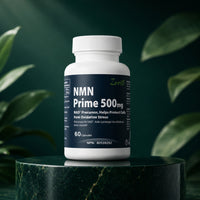
Health Canada Natural Product Number (NPN): Verify that the product displays an 8-digit NPN on the primary display panel (for example, Zeroo Health NMN Prime 500mg carries NPN 80139252). You can cross-reference this license on the public Health Canada Licensed Natural Health Products Database to confirm legitimate regulatory standing.
-
Standardized Beta-Isomer Enzymatic Synthesis: Biological systems can utilize only the pure beta-anomer of NMN (β-NMN); the alpha-isomer is biologically inactive. Quality products utilize fully enzymatic biosynthesis, yielding an active beta-isomer purity profile above 99%.
-
Third-Party ISO 17025 Laboratory Verification: Insist on lot-specific Certificates of Analysis (CoA) from accredited third-party laboratories. These reports must confirm active ingredient potency, the absence of microbial pathogens, and heavy metal concentrations (arsenic, cadmium, lead, and mercury) well beneath Health Canada limits.
-
Encapsulated Delivery Over Bulk Powder: Raw NMN is a hygroscopic crystal matrix that rapidly absorbs ambient water vapor. When bulk powder tubs are repeatedly opened to room humidity, moisture catalyzes hydrolysis of the delicate glycosidic bond, degrading NMN into plain nicotinamide. As detailed in our guide on evaluating encapsulated versus powdered delivery formats, pharmaceutical-grade vegetarian capsules provide a sealed barrier that preserves molecule stability across its shelf life.
Frequently Asked Questions
What is the difference between NMN and sirtuins?
NMN is a physical metabolite, whereas sirtuins are functional enzymes. Nicotinamide mononucleotide acts as a direct chemical precursor that cells transform into nicotinamide adenine dinucleotide (NAD+). In contrast, sirtuins are seven specific cellular enzymes that depend on NAD+ as fuel to catalyze protein deacetylation, DNA repair, and epigenetic modifications.
Does taking NMN directly activate SIRT1 in humans?
Clinical research confirms that oral NMN significantly elevates human blood NAD+ pools, which are biochemically required for SIRT1 function. However, current human trials measure surrogate metabolic endpoints like insulin sensitivity and aerobic stamina. Direct non-invasive measurement of in-vivo SIRT1 deacetylation in live human tissues remains limited by present clinical diagnostic tools.
Can you activate sirtuins without taking NMN supplements?
Yes, cellular sirtuins can be robustly stimulated without dietary supplements. Physical exercise, intermittent fasting, and caloric restriction trigger metabolic energy shifts that elevate the AMP-to-ATP ratio. This activates adenosine monophosphate-activated protein kinase (AMPK), which stimulates NAMPT enzyme activity and boosts endogenous NAD+ levels to activate SIRT1 and SIRT3 naturally.
What is the recommended daily dosage of NMN for sirtuin support?
Peer-reviewed human clinical trials demonstrate that daily oral doses between 250 mg and 900 mg effectively raise systemic NAD+ levels in middle-aged and older adults. In randomized trials by Yi et al. and Yoshino et al., 500 mg daily showed robust physiological tolerability and positive metabolic adaptations without adverse biochemical effects.
Are NMN supplements legal and regulated in Canada?
NMN is legally sold in Canada under Health Canada's Natural Health Product Regulations. Approved supplements carry an 8-digit Natural Product Number (NPN) on the label, verifying that Health Canada has reviewed the formulation for safety and manufacturing quality according to strict Canadian Good Manufacturing Practices standards.
Should NMN be taken in the morning or evening for optimal sirtuin function?
Taking NMN in the morning aligns with natural circadian rhythms of NAD+ biosynthesis. The rate-limiting enzyme NAMPT follows a circadian oscillation driven by BMAL1 and CLOCK proteins, peaking during morning activity. Morning dosing provides cellular sirtuins with optimal NAD+ substrate when mitochondrial energy demands and metabolic activity are highest.
Commercial Conflict of Interest Disclosure: Zeroo Health formulates and distributes natural health products in Canada, including NMN Prime 500mg (Health Canada NPN 80139252). Zeroo Health does not produce or distribute intravenous NAD+ infusions, injectable precursor formulas, nicotinamide riboside (NR), or bulk unencapsulated powders. To ensure complete scientific objectivity, this article relies exclusively on peer-reviewed biomedical literature, university laboratory trials, and official regulatory monographs.
References
-
Imai, S., & Guarente, L. (2014). NAD+ and sirtuins in aging and disease. Trends in Cell Biology, 24(8), 464–471. DOI: 10.1016/j.tcb.2014.04.002
-
Yoshino, J., Baur, J. A., & Imai, S. (2018). NAD+ intermediates: The biology and therapeutic potential of NMN and NR. Cell Metabolism, 27(3), 513–528. DOI: 10.1016/j.cmet.2017.11.002
-
Yoshino, M., Yoshino, J., Kayser, B. D., et al. (2021). Nicotinamide mononucleotide increases muscle insulin sensitivity in prediabetic women. Science, 372(6547), 1224–1229. DOI: 10.1126/science.abe9985
-
Yi, L., Maier, A. B., Tao, R., et al. (2023). The efficacy and safety of β-nicotinamide mononucleotide (NMN) supplementation in healthy middle-aged adults: a randomized, multicenter, double-blind, placebo-controlled, parallel-group, dose-dependent clinical trial. GeroScience, 45(1), 29–43. DOI: 10.1007/s11357-022-00705-1
-
Igarashi, M., Nakagawa-Nagahama, Y., Miura, M., et al. (2022). Chronic nicotinamide mononucleotide supplementation elevates blood nicotinamide adenine dinucleotide levels and alters muscle function in healthy older men. npj Aging, 8, 5. DOI: 10.1038/s41514-022-00084-z
-
Pencina, K. M., Vallee, M., Li, Z., et al. (2023). MIB-626, an oral formulation of a microcrystalline form of β-nicotinamide mononucleotide, increases circulating nicotinamide adenine dinucleotide and its metabolome in healthy middle-aged and older adults. The Journal of Clinical Endocrinology & Metabolism, 108(1), 90–100. DOI: 10.1210/clinem/dgac670
-
Cantó, C., & Auwerx, J. (2012). Targeting sirtuin 1 to improve metabolism: All you need is NAD+? Pharmacological Reviews, 64(1), 166–187. DOI: 10.1124/pr.110.003905
-
Health Canada. (2026). Licensed Natural Health Products Database (LNHPD): Product Licence NPN 80139252. Government of Canada. https://health-products.canada.ca/lnhpd-bdpsnh/