
based on research done by Dr. Marcus Vance, PhD | Cellular Biochemistry & Longevity Research Specialist
If you have started taking nicotinamide mononucleotide, you probably want every single milligram working for you. You are taking it to protect your cellular vitality, recover faster, and sharpen your daily focus. Yet one crucial detail often trips up even seasoned biohackers: finding the best time to take NMN.
Does taking your dose before breakfast give you a bigger boost than taking it with dinner? Will taking it too late keep you tossing and turning at night? Let's break down what real human clinical trials, circadian biology, and metabolic science tell us about timing, meals, and sleep.
Quick Answer: The best time to take NMN depends on your age and goals, but taking it first thing in the morning (between 7:00 AM and 10:00 AM) on an empty stomach is ideal for most adults. This window aligns with natural morning peaks in cellular NAD+ demand. However, older adults seeking improved physical stamina and sleep quality often benefit from taking NMN in the early afternoon.
How Your Circadian Rhythm Controls NAD+ Levels
Your body does not run on a static line; it runs on a 24-hour central clock controlled by the suprachiasmatic nucleus in your brain. NAD+ (nicotinamide adenine dinucleotide)—the coenzyme that NMN boosts—oscillates on this exact circadian cycle.
In healthy cells, NAD+ levels naturally rise during your active daytime hours to drive ATP energy production in your mitochondria and repair cellular DNA. A landmark study in Science revealed that NAD+ directly interacts with your core circadian genes. The key enzyme responsible for making NAD+ from NMN, known as NAMPT, naturally peaks early in the day.
When you take an NMN supplement, you aren't dropping nutrients into a neutral system. You are plugging into a dynamic rhythm. Matching your intake to these natural surges helps your body utilize the molecule when mitochondrial demand is highest.

Morning vs. Afternoon vs. Evening: When Is the Optimal Window?
The Case for Morning Dosing (7:00 AM – 10:00 AM)
For most healthy adults under 50, taking NMN within one to two hours of waking up yields the best results. During the morning hours, your body naturally ramps up metabolic activity. Taking your dose early gives your cells a raw material supply right as your mitochondria start burning fuel for mental and physical tasks.
Users who follow a morning routine report sustained daytime energy without the sharp spikes or crashes associated with caffeine.
What Research Says About Afternoon Dosing (12:00 PM – 3:00 PM)
Interestingly, human research suggests that timing strategies might shift as we age. A clinical study published in GeroScience examined older adults taking NMN either in the morning or the afternoon. The researchers found that afternoon intake yielded superior improvements in lower-limb physical function and daytime alertness compared to morning intake.
Why the difference? As we age, our natural circadian rhythms flatten. Taking NMN in the early afternoon may help stave off the mid-day slump that many older adults experience, supporting both physical stamina and evening recovery.
Should You Take NMN in the Evening?
For most people, taking high-dose NMN past 4:00 PM is counterproductive. Because NMN fuels cellular ATP synthesis and activates longevity enzymes called sirtuins, evening doses can cause unwanted alertness. Unless you work night shifts or have specifically tested nighttime dosing without issue, keep your intake to the first half of the day.

NMN With Food or Empty Stomach: What Absorption Science Says
When deciding between taking NMN with food or empty stomach conditions, understanding how the molecule enters your bloodstream helps clarify the choice.
NMN is a water-soluble compound. In 2019, scientists discovered a specific transport protein in the small intestine called Slc12a8, which actively pumps NMN directly into gut tissues within minutes. Pharmacokinetic trials in Nature Metabolism demonstrated that oral NMN rapidly passes through the stomach and enters blood circulation almost immediately.
Taking NMN on an Empty Stomach
Because NMN is water-soluble, taking it on an empty stomach with a large glass of water ensures rapid transit through the stomach into the small intestine where Slc12a8 operates. For optimal speed of absorption, morning administration 30 minutes before breakfast is the gold standard.
Taking NMN With Food
Roughly 10% of people report mild stomach sensitivity when taking supplements on an empty stomach. If you experience light nausea or digestive discomfort, taking your supplement alongside a light breakfast or snack will not ruin its efficacy.
Furthermore, if your daily protocol includes fat-soluble longevity compounds like Resveratrol or CoQ10, you can take them together with a light meal containing healthy fats (such as avocado, eggs, or full-fat yogurt) to maximize total nutrient uptake.

NMN and Sleep: Does NAD+ Boost or Disrupt Your Rest?
The relationship between NMN and sleep is one of the most widely misunderstood topics in cellular health. Many people worry that an energy-boosting supplement will trigger insomnia. However, clinical evidence presents a far more positive picture when timing is handled correctly.
Because NAD+ helps regulate your central circadian clock, restoring youthful NAD+ levels can actually improve sleep architecture. In a randomized, double-blind human trial, researchers evaluated the impact of NMN on sleep parameters using the Pittsburgh Sleep Quality Index (PSQI). The results showed that participants receiving NMN experienced significant reductions in daytime fatigue and measurable improvements in overall sleep quality compared to placebo.
Here is how NMN and sleep interact based on timing:
-
Morning / Early Afternoon Dosing: Reinforces your natural wake-sleep cycle. It optimizes daytime wakefulness so your brain can build up sleep pressure naturally by nighttime.
-
Late Night Dosing: Can confuse your central clock by sending daytime cellular signals while your body is trying to wind down, potentially causing sleep latency issues.
If your primary goal is deeper sleep recovery, stick to early daytime dosing to support nighttime circadian repair without nighttime stimulation.

Building Your Daily Longevity Protocol
Consistency in your daily routine yields far greater long-term results than worrying about whether you took your dose at 8:00 AM versus 8:30 AM. Finding a reliable, high-purity formulation allows you to standardize your cellular support without unnecessary filler ingredients.
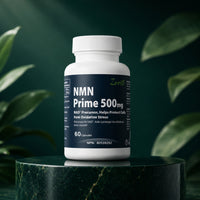
When selecting a formula for daily use, look for clinically relevant dosages around 500 mg per serving. A pure, third-party tested option like Zeroo Health NMN Prime supplements 500mg provides a precise daily dose engineered for optimal bioavailability whether taken on an empty stomach or with your morning meal.
A Simple Daily Timing Checklist
-
Upon Waking (7:00 AM – 9:00 AM): Take 500 mg with 8–12 oz of room-temperature water.
-
Optional Snack: If you have a sensitive stomach or pair your dose with Resveratrol, eat a light meal rich in healthy fats 15–20 minutes later.
-
Older Adults / Afternoon Option (12:00 PM – 2:00 PM): If you experience afternoon fatigue or are over age 60, experiment with midday dosing after lunch.
-
Evening Boundary: Avoid taking your dose after 4:00 PM to protect your restorative sleep phases.
Frequently Asked Questions
What is the single best time to take NMN for maximum energy?
For most healthy adults, taking NMN first thing in the morning between 7:00 AM and 10:00 AM provides optimal daytime energy. This aligns with your body's natural morning spike in NAD+ demand and cellular metabolic activity.
Should I take NMN with food or empty stomach conditions?
NMN is water-soluble and absorbs rapidly on an empty stomach via specialized gut transporters. Taking it 30 minutes before breakfast with water is ideal. However, if you experience mild digestive discomfort, taking it with a light meal is completely acceptable and still effective.
How does NMN affect sleep quality and circadian rhythm?
When taken early in the day, NMN helps synchronize your internal circadian clock, reducing daytime fatigue and improving overall sleep quality. However, taking NMN late in the evening can increase cellular energy production and disrupt your ability to fall asleep.
Can I split my NMN dose into morning and afternoon?
Yes. If you take higher daily amounts (such as 1,000 mg), splitting your dosage into two 500 mg servings—one in the morning and one around midday—can maintain steady NAD+ precursor levels throughout your active hours. Avoid taking the second dose after 4:00 PM.
Is taking NMN at night dangerous?
Taking NMN at night is not dangerous, but it may lead to restlessness, vivid dreams, or difficulty falling asleep due to increased ATP synthesis and boosted alertness. For optimal rest, complete your dosage before mid-afternoon.
Medical Disclaimer
The information provided in this article is for educational and informational purposes only and is not intended as medical advice. Dietary supplements like NMN are not intended to diagnose, treat, cure, or prevent any disease. Always consult with your physician or a qualified healthcare professional before starting any new supplement regimen, especially if you have pre-existing medical conditions or take prescription medications.