
By: Zeroo Health Research & Editorial Team
Last Updated: October 2026
Commercial Conflict of Interest Disclosure:
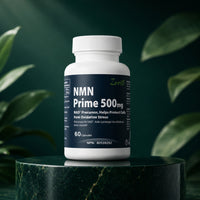
Zeroo Health formulates and retails NMN Prime 500mg, an encapsulated single-ingredient nicotinamide mononucleotide supplement licensed by Health Canada under Natural Product Number (NPN) 80139252. Zeroo Health does not formulate, sell, or hold financial interests in spermidine, fisetin, resveratrol, or combination longevity products. To preserve editorial independence, all compounds evaluated in this guide are assessed using identical scientific criteria based on published peer-reviewed clinical trials, animal studies, and official government regulatory databases.
Finding the best longevity supplements requires filtering biochemical reality from modern wellness marketing. In cellular biology, longevity supplements refer to dietary compounds designed to modulate biological pathways associated with the hallmarks of aging—specifically mitochondrial decline, cellular senescence, and impaired autophagy. Nicotinamide mononucleotide (NMN) is an immediate precursor that cells use to synthesize nicotinamide adenine dinucleotide (NAD+), an essential coenzyme required for energy metabolism and DNA repair. Spermidine is an endogenous polyamine that triggers cellular recycling by inducing autophagy, while fisetin is a plant-derived flavonoid classified as a senolytic because it assists tissues in clearing damaged, non-dividing cells. Rather than pursuing hypothetical immortality, rigorous geroscience evaluates whether these active compounds can extend human healthspan—the fraction of life spent free from disabling chronic metabolic disease.
Quick Answer
The best longevity supplements target distinct hallmarks of aging: nicotinamide mononucleotide (NMN) elevates cellular NAD+ to support mitochondrial metabolism, spermidine triggers autophagy to recycle damaged proteins, and fisetin clears senescent cells. Clinical trials demonstrate that NMN reliably elevates blood NAD+ in humans, while spermidine and fisetin currently rely primarily on observational data and early-phase trials.
Key Takeaways
-
Mechanisms Differ Fundamentally: NMN fuels cellular energy generation, spermidine triggers internal waste clearance (autophagy), and fisetin selectively clears pro-inflammatory senescent cells.
-
Human Evidence Varies Widely: NMN possesses multiple randomized, placebo-controlled human trials showing blood NAD+ elevation and modest functional improvements; spermidine and fisetin rely primarily on animal longevity studies, human observational cohorts, and early biomarker safety trials.
-
Whole Foods Rival Certain Doses: Typical dietary patterns naturally supply 7 to 15 mg of spermidine per day, far exceeding the 1 to 2 mg doses found in most commercial wheat germ extract pills.
-
Regulators Set Clear Boundaries: In Canada, Health Canada licenses NMN as an NAD+ precursor for general health and energy metabolism under strict Good Manufacturing Practices (GMP); no regulatory body approves longevity supplements to treat, prevent, or reverse biological aging.
Table of Contents
-
About This Evidence Review
-
What Are the Top Biological Mechanisms Driving Longevity Supplements?
-
How Does NMN Support Cellular Energy and NAD+ Regeneration?
-
Can Spermidine Induce Autophagy and Improve Human Cellular Function?
-
What Does the Research Say About Fisetin as a Senolytic?
-
Head-to-Head Comparison: Which Longevity Supplement Has the Strongest Evidence?
-
Where Do Spermidine and Fisetin Outperform NMN?
-
How Should You Build an Anti-Aging Stack in 2026?
-
Original Visual Asset Specification
-
Safety, Contraindications, and Who Should Avoid Longevity Supplements
-
Where to Buy Verified Longevity Supplements and What to Check on the Label
-
Frequently Asked Questions About Longevity Supplements
-
References
About This Evidence Review
This review systematically compares three primary compounds dominating modern longevity science: NMN, spermidine, and fisetin. To maintain evidentiary integrity, we separate biological findings into three transparent tiers:
-
Established Clinical Data: Evidence derived from double-blind, randomized, placebo-controlled human trials (RCTs) evaluating pharmacokinetics, blood biomarker changes, and functional outcomes.
-
Observational & Epidemiological Data: Human population studies tracking nutritional intake against long-term mortality and health metrics over multi-year timelines. These establish correlation, not causation.
-
Preclinical Hypotheses: In vitro cell culture experiments and rodent (murine) life-extension models. While indispensable for identifying biochemical mechanisms, animal findings frequently fail to replicate in human physiology due to metabolic, enzymatic, and bioavailability differences.
Every study cited below details its sample size, intervention dosage, and measured outcome. If human data does not exist for a specific health claim, we state that gap directly. Readers can also examine our cellular health research archive to review previous literature reviews examining cellular pathways.
What Are the Top Biological Mechanisms Driving Longevity Supplements?
Longevity supplements work by targeting primary biological hallmarks of aging rather than masking symptoms. Nicotinamide mononucleotide restores depleted cellular NAD+ to power mitochondrial energy and DNA repair enzymes. Meanwhile, polyamines like spermidine stimulate cellular autophagy to clear damaged organelles, and flavonoids like fisetin selectively eliminate dysfunctional senescent cells that secrete damaging inflammatory signals throughout surrounding tissues.

In 2023, Carlos López-Otín and colleagues updated the recognized hallmarks of aging in Cell [7], outlining twelve primary molecular defects that accelerate systemic decay. Three of these hallmarks represent the direct biological targets of modern oral supplementation:
| Aging Hallmark | Primary Target Molecule | Biological Consequence |
| Mitochondrial Decay | NMN (via NAD+) | Restores cellular ATP production and sirtuin longevity enzyme activity |
| Loss of Autophagy | Spermidine | Recycles misfolded proteins and degraded cellular organelles |
| Cellular Senescence | Fisetin | Triggers targeted apoptosis in pro-inflammatory "zombie" cells |
Mitochondrial Dysfunction and NAD+ Depletion
Mitochondria generate adenosine triphosphate (ATP), the chemical fuel powering cellular operations. To synthesize ATP, the mitochondrial electron transport chain requires constant pools of the coenzyme nicotinamide adenine dinucleotide (NAD+). NAD+ also serves as an obligatory substrate for poly(ADP-ribose) polymerases (PARPs), which repair damaged DNA strands, and sirtuins (SIRT1–SIRT7), which regulate metabolic homeostasis and gene expression. Human tissue levels of NAD+ decline substantially with chronological age, falling by roughly 50% between young adulthood and middle age. Supplying oral precursors like NMN aims to replenish these intracellular NAD+ pools to sustain mitochondrial respiration.
Impaired Autophagy and Cellular Housekeeping
Autophagy functions as the cell’s internal waste disposal and recycling system. During autophagy, autophagosomes engulf dysfunctional proteins, damaged mitochondria, and metabolic debris, transporting them to lysosomes for enzymatic degradation into reusable amino acids. As humans age, basal autophagic flux declines, allowing toxic protein aggregates and damaged mitochondria to accumulate. Spermidine promotes autophagy through hypusination of eukaryotic translation initiation factor 5A (eIF5A) and inhibition of the acetyltransferase EP300, mimicking the beneficial cellular recycling triggered by caloric restriction [8].
Cellular Senescence and the SASP Burden
When somatic cells endure severe genomic damage, telomere attrition, or persistent oxidative stress, they enter an irreversible state of growth arrest termed cellular senescence. Rather than dying quietly through apoptosis, senescent cells remain metabolically active, secreting a destructive cocktail of pro-inflammatory cytokines, chemokines, and matrix metalloproteinases known as the Senescence-Associated Secretory Phenotype (SASP). The SASP degrades surrounding extracellular matrix and degrades neighboring healthy cells into secondary senescence. Flavonoids like fisetin possess senolytic properties, selectively disrupting pro-survival pathways in senescent cells to allow immune-mediated clearance.
How Does NMN Support Cellular Energy and NAD+ Regeneration?
Nicotinamide mononucleotide (NMN) functions as the direct biochemical precursor to nicotinamide adenine dinucleotide (NAD+), an essential coenzyme for mitochondrial ATP production and sirtuin longevity enzyme activity. Human randomized trials confirm that oral NMN supplementation between 250 mg and 900 mg daily significantly elevates circulating blood NAD+ levels, improving aerobic walking distance and muscle insulin sensitivity in middle-aged and older adults.

Unlike whole NAD+, which is a bulky molecule that breaks down during digestion, NMN enters the bloodstream efficiently. Research indicates that NMN is absorbed in the small intestine via specific transporters (such as Slc12a8) and through rapid conversion into nicotinamide riboside (NR) prior to cellular uptake, where intracellular nicotinamide mononucleotide adenylyltransferases (NMNATs) synthesize functional NAD+.
The Biochemical Pathway of NMN Ingestion:
-
Oral Ingestion and Transporter Uptake: Ingested NMN is absorbed in the small intestine via specialized mucosal uptake pathways or rapidly converted into nicotinamide riboside (NR).
-
Systemic Cellular Entry: Precursor molecules circulate through plasma and are absorbed across target tissue membranes.
-
Enzymatic NAD+ Conversion: Intracellular NMNAT enzymes catalyze the direct conversion of NMN into active NAD+.
-
Target Activation: The restored NAD+ pool supplies fuel for mitochondrial respiration, PARP-mediated DNA repair, and sirtuin-mediated metabolic signaling.
The Human Clinical Evidence
Preclinical mouse studies originally demonstrated that NMN improved running endurance, restored vascular density, and mitigated age-associated weight gain. Over the past five years, human randomized trials have corroborated several metabolic and functional markers:
-
Multicenter Dose-Dependent Trial (Yi et al., 2023) [1]: In a randomized, double-blind, placebo-controlled study of 80 healthy middle-aged adults (ages 40–65) published in GeroScience, participants received placebo, 300 mg, 600 mg, or 900 mg of oral NMN daily for 60 days. Blood NAD+ concentrations increased significantly and dose-dependently across all active groups. Participants taking 600 mg and 900 mg daily demonstrated statistically significant improvements in 6-minute walking distances (an average increase of 48.4 meters and 60.3 meters, respectively) compared to the placebo cohort, with 600 mg identified as the clinically efficient dose.
-
Muscle Insulin Sensitivity Trial (Yoshino et al., 2021) [2]: Researchers at Washington University School of Medicine evaluated 25 postmenopausal women with prediabetes in a 10-week randomized trial published in Science. Ingestion of 250 mg of NMN daily increased skeletal muscle insulin sensitivity by approximately 25% compared to placebo, accompanied by increased expression of genes involved in muscle remodeling.
-
Functional Mobility Trial in Older Men (Igarashi et al., 2022) [3]: A 12-week double-blind study published in npj Aging evaluated 42 healthy men aged 65 and older taking 250 mg of NMN daily. Blood NAD+ metabolites rose consistently, accompanied by significant improvements in gait speed and the 30-second chair-stand test, with no clinical adverse effects reported.
Evidence Boundaries and Unknowns
While NMN reliably elevates circulating NAD+ in humans, no clinical study has demonstrated that NMN extends human lifespan. Existing human trials feature modest sample sizes (25 to 80 participants) and short intervention windows (6 to 12 weeks). The long-term physiological consequences of multi-year NAD+ elevation remain unknown. Consumers looking to understand how NMN compares across dosage tiers can review our purity benchmarks and price-per-gram analyses .
Can Spermidine Induce Autophagy and Improve Human Cellular Function?
Spermidine stimulates autophagy by inhibiting acetyltransferase enzymes and activating transcription factors that recycle cellular debris. While prospective epidemiological cohorts link high dietary spermidine consumption to lower cardiovascular mortality, a rigorous 12-month human randomized trial using low-dose wheat germ extract found no significant memory improvements over placebo, suggesting whole-food dietary intake remains more reliable than low-dose commercial supplements.

Spermidine is an endogenous polyamine found in every human cell, biosynthesized from putrescine and S-adenosylmethionine. Dietary intake from fermented foods, vegetables, and grains represents an external supply that supplements systemic levels.
The Epidemiological Data: The Bruneck Cohort
The strongest human evidence supporting spermidine comes from prospective observational studies:
-
The Bruneck Study (Kiechl et al., 2018) [4]: Published in The American Journal of Clinical Nutrition, researchers followed a prospective cohort of 829 adults over a 20-year observational period. Nutritional analysis revealed that participants in the top tertile of dietary spermidine intake experienced significantly lower all-cause and cardiovascular mortality compared to those in the lowest tertile. The calculated difference in survival risk between high and low dietary intake corresponded to roughly 5.7 years of biological age difference.
The Interventional Clinical Reality: The SmartAge Trial
While observational data and rodent models demonstrate profound cardioprotective and life-extending effects, interventional human supplement trials have revealed clear limitations:
-
The SmartAge Trial (Schwarz et al., 2022) [5]: In a 12-month randomized, double-blind, placebo-controlled phase 2b trial published in JAMA Network Open, researchers administered 0.9 mg of spermidine daily (extracted from wheat germ) or placebo to 100 older adults (ages 60–90) experiencing subjective cognitive decline. Eighty-nine participants completed the full year. The trial found no statistically significant difference in memory performance between the spermidine group and the placebo group at the primary 12-month endpoint.
-
Bioavailability and Dose Disconnect: Most commercial spermidine capsules supply between 1 mg and 2 mg of spermidine derived from wheat germ extract. However, standard human diets naturally deliver 7 to 15 mg of spermidine per day from routine foods. A 1 mg capsule represents only a 7% to 14% increase over baseline nutritional intake, explaining why low-dose commercial capsules often fail to match the statistical power seen in broad epidemiological studies.
What Does the Research Say About Fisetin as a Senolytic?
Fisetin is a plant polyphenol that acts as a natural senolytic, selectively triggering apoptosis in non-dividing senescent cells. While rodent studies show robust 10 percent lifespan extensions and reduced systemic inflammation, human evidence remains preliminary. Ongoing phase II clinical trials investigate intermittent pulse dosing protocols, meaning human longevity claims remain an unproven scientific hypothesis rather than established clinical therapy.

Fisetin (3,3',4',7-tetrahydroxyflavone) is naturally synthesized by plants such as strawberries, apples, persimmons, and onions. In botanical physiology, it acts as a yellow pigment and chemical defense mechanism against oxidative stressors.
Preclinical Breakthroughs in Cellular Senescence
In 2018, a research collaboration led by Matthew Yousefzadeh and colleagues at the University of Minnesota and Mayo Clinic screened a library of natural flavonoids to evaluate their ability to clear senescent murine and human cells:
-
Murine Lifespan Extension (Yousefzadeh et al., 2018) [6]: In a landmark study published in EBioMedicine, fisetin emerged as the most potent senolytic among ten compounds tested. When administered late in life to aged wild-type mice, fisetin cleared p16INK4a-positive senescent cells across multiple tissues, reduced circulating SASP markers, preserved tissue homeostasis, and extended median lifespan by roughly 10%.
The Human Translation Gap
Despite strong preclinical results, translation to human clinical utility faces two major scientific hurdles:
-
Preclinical Administration Versus Human Translation: Preclinical mouse models administered approximately 60 to 100 mg/kg of fisetin. For an adult human weighing 70 kg, an equivalent daily dose would range from 400 to 800 mg.
-
Pharmacokinetic Glucuronidation: Standard oral fisetin displays minimal native water solubility and undergoes extensive first-pass glucuronidation in the liver and intestine, converting rapidly into inactive metabolites before reaching peripheral tissues.
-
Surrogate Biomarkers Versus Longevity Endpoints: Current human phase II clinical trials at academic medical centers evaluate short-term intermittent pulse dosing to measure reductions in circulating inflammatory cytokines (such as IL-6 and TNF-alpha), rather than longevity extension or reversal of biological age clocks.
Head-to-Head Comparison: Which Longevity Supplement Has the Strongest Evidence?
Evaluating longevity supplements side-by-side reveals that NMN holds the strongest human pharmacokinetic and functional trial evidence for raising NAD+ coenzymes. Spermidine offers substantial epidemiological and preclinical backing for autophagy induction but mixed human clinical trial outcomes. Fisetin demonstrates potent senolytic activity in preclinical animal models, though human data remains confined to early biomarker safety trials without proven lifespan extension.
To compare these compounds objectively, researchers evaluate four core criteria: cellular mechanism, validated human study designs, standard research doses, and documented chemical limitations.
Comprehensive Comparison Matrix
| Compound | Primary Biological Mechanism | Human Trial Evidence Level | Typical Research Dose | Key Physiological Limitation | Primary Citation |
| NMN | Direct intracellular NAD+ precursor; powers sirtuins and mitochondrial respiration | Moderate: Multiple placebo-controlled human RCTs showing NAD+ rise and functional mobility gains | 250 mg – 600 mg daily | Requires regular intake; no long-term human lifespan data available | Yi et al., 2023 [1] |
| Spermidine | Induces cellular autophagy via eIF5A hypusination and EP300 inhibition | Low-to-Moderate: Robust 20-year human cohort data, but negative 12-month cognitive RCT | 0.9 mg – 2 mg daily (capsules) vs. 7–15 mg (diet) | Low supplemental doses are dwarfed by normal whole-food dietary intake | Schwarz et al., 2022 [5] |
| Fisetin | Senolytic clearance of senescent cells; inhibits PI3K/Akt pro-survival signals | Preliminary: Animal lifespan extension confirmed; human data restricted to phase II biomarker safety trials | 20 mg/kg intermittently (2 days/month in trials) | High first-pass liver metabolism and low native water solubility | Yousefzadeh et al., 2018 [6] |
| Ergothioneine | Mitochondrial antioxidant; accumulates via SLC22A4 (OCTN1) transporter | Preliminary: Human observational tracking of blood levels; small clinical bioavailability trials | 5 mg – 25 mg daily | Limited functional RCT data linking supplementation directly to longevity | Cheah et al., 2016 |
Where Do Spermidine and Fisetin Outperform NMN?
Spermidine and fisetin excel in biological pathways where NMN has little direct activity. While NMN replenishes cellular energy cofactors, it does not directly trigger the clearance of permanent senescent cells, where fisetin specializes. Similarly, spermidine activates the hypusination of translation factors to drive bulk cellular cleanup independently of cellular NAD+ pools, making them vital adjuncts for comprehensive cellular maintenance.

Consumers evaluating longevity protocols should understand that NMN is not a cure-all. In specific biological domains, spermidine and fisetin provide clear scientific advantages:
1. Direct Elimination of "Zombie" Cells
Raising NAD+ with NMN provides fuel to living cells, but it does not selectively eliminate senescent cells. If a tissue contains a high burden of senescent cells, increasing NAD+ could theoretically support the survival and energetic demands of those dysfunctional cells alongside healthy ones. Fisetin acts directly as an apoptotic trigger, disabling the anti-apoptotic Bcl-2 and PI3K/Akt pathways that allow senescent cells to evade death. For an individual focused specifically on clearing accumulated senescent cells and reducing tissue SASP inflammation, fisetin provides a targeted senolytic mechanism that NMN cannot replicate.
2. Autophagic Clearance Without Energy Consumption
NMN fuels enzymatic activity, but cellular recycling through autophagy relies on distinct downstream regulatory switches. Spermidine directly induces autophagy by modifying eIF5A, stimulating the expression of transcription factor EB (TFEB)—the master regulator of lysosomal biogenesis. Spermidine promotes cellular cleanup even under conditions where cellular energy reserves are constrained.
3. Nutritional Accessibility via Whole Foods
While therapeutic amounts of NMN are difficult to obtain purely through diet (you would need to consume roughly 100 kg of broccoli or edamame to yield 500 mg of NMN), spermidine is abundant in common culinary foods. Incorporating wheat germ, mature cheeses, fermented soy (natto), and legumes delivers whole-food spermidine bound to dietary fibers, minerals, and polyamines, providing cellular benefits without purchasing encapsulated products.
How Should You Build an Anti-Aging Stack in 2026?
An effective anti-aging stack combines compounds with complementary biological mechanisms rather than duplicating metabolic pathways. A balanced 2026 regimen pairs a daily morning NAD+ precursor like NMN with methyl donors like trimethylglycine (TMG) for biochemical balance, dietary spermidine from whole foods for sustained daily autophagy, and periodic intermittent cycles of bioavailable fisetin to address accumulated senescent cells.
Stacking longevity supplements requires understanding biochemical synergies and potential metabolic bottlenecks. Taking multiple compounds that compete for the same absorption pathways wastes money and strains liver clearance mechanisms.
Recommended Stacking Architecture:
-
Daily Morning Routine: Consume 500 mg of NMN paired with 500 mg of trimethylglycine (TMG) to protect internal methyl reserves. Integrate whole-food spermidine sources into daily meals (such as 1 to 2 tablespoons of raw wheat germ or aged cheese) to stimulate continuous basal autophagy.
-
Monthly Intermittent Protocol: Utilize a targeted pulse of bioavailable fisetin once per month (for example, two consecutive days per month) alongside meals containing dietary fats to promote senescent cell clearance without chronically inhibiting healthy tissue repair.
1. Address the Methylation Balance
When you take high doses of NMN, the body converts it into NAD+. Once NAD+ is consumed by sirtuins or PARP enzymes, it breaks down into nicotinamide (NAM). To eliminate excess nicotinamide, the liver methylates it into N-methylnicotinamide via the enzyme nicotinamide N-methyltransferase (NNMT), utilizing methyl groups from S-adenosylmethionine (SAMe). In individuals consuming high daily doses of NMN (500 mg to 1,000 mg), pairing the protocol with trimethylglycine (TMG, also known as betaine) at a 1:1 ratio helps protect systemic methyl pools. For an in-depth biochemical review, read our guide on balancing methyl donors with NAD+ precursors .
2. Time Your Doses With Circadian Rhythms
NAD+ biosynthesis is naturally governed by the circadian clock through the rate-limiting enzyme NAMPT. Take NMN in the early morning shortly after waking to align with your body’s natural peak in metabolic energy production. Taking NMN late in the evening can cause cellular ATP surges when your brain should be winding down, potentially disrupting deep sleep architecture.
3. Use Intermittent Dosing for Senolytics
Never take senolytic compounds like fisetin on a daily, continuous schedule. Clearing senescent cells does not require persistent pathway inhibition; constant exposure may impair normal wound healing, as transient cellular senescence plays an essential physiological role in tissue repair. Standard geroscience protocols utilize a "pulse" method: consuming fisetin for two to three consecutive days once per month alongside a fat-containing meal to maximize bioavailability, followed by weeks of rest.
Original Visual Asset Specification
To help readers conceptualize their regimen, the following diagram maps primary longevity goals to specific biological mechanisms and verified compounds.

Safety, Contraindications, and Who Should Avoid Longevity Supplements
Individuals with active malignancies, pregnant or breastfeeding women, and those managing diabetes should avoid longevity supplements without direct medical supervision. Because NAD+ precursors support rapid cellular proliferation, theoretical oncological risks exist regarding existing tumors. Health Canada cautions suggest consulting a qualified healthcare practitioner for NMN use exceeding eight to twelve weeks, and monitoring glucose when combining metabolic compounds.

While geroscience compounds are widely available as natural health products, biological potency requires clinical caution:
Oncological Considerations and Tumor Biology
Preclinical investigations indicate that elevating cellular NAD+ promotes DNA repair and protects healthy tissues against initial cancerous mutations. However, established malignant cancer cells rely heavily on the NAD+ salvage pathway to support their accelerated metabolic rates and evade apoptosis. Individuals with active cancer diagnoses or histories of malignancy must avoid NAD+ precursors (including NMN and NR) unless approved by their oncology team.
Pregnancy, Breastfeeding, and Pediatrics
No clinical safety trials have evaluated NMN, high-dose spermidine extracts, or senolytic fisetin in pregnant or breastfeeding women, or in pediatric populations. These compounds alter fundamental cellular division and epigenetic processes; use during these developmental stages is strictly contraindicated.
Blood Glucose Interactions
Because NMN has been shown to increase skeletal muscle insulin sensitivity, individuals using prescription hypoglycemic agents (such as insulin or metformin) should monitor capillary blood glucose closely to prevent unexpected hypoglycemic dips.
Regulatory Safety Directives (Health Canada)
In Canada, the Natural and Non-Prescription Health Products Directorate (NNHPD) sets clear labeling requirements for NMN products [9]:
-
Duration Caution: Products providing greater than 250 mg of NMN per day must advise consumers to consult a healthcare practitioner for use beyond 8 weeks, while products providing 250 mg or less must advise consultation beyond 12 weeks.
-
Mandatory Risk Warnings: Product labels must clearly direct individuals who are pregnant, breastfeeding, or diagnosed with diabetes to consult a physician prior to consumption.
Where to Buy Verified Longevity Supplements and What to Check on the Label
When selecting longevity supplements, prioritize brands that verify ingredient identity and purity through ISO 17025 accredited third-party high-performance liquid chromatography (HPLC) testing. In regulated jurisdictions like Canada, ensure the product displays an active eight-digit Natural Product Number (NPN) from Health Canada, avoiding proprietary blends that conceal exact active milligram dosages behind unverified marketing terms.
The supplement marketplace contains wide variations in ingredient quality. Independent testing of consumer NMN and botanical products regularly reveals bottles containing undetectable amounts of active ingredients or excessive microbial contaminants. When evaluating products, confirm three verification benchmarks:
-
Analytical Purity Verification: Require batch-specific Certificates of Analysis (CoA) performed by third-party ISO 17025 accredited laboratories using HPLC testing. Purity should meet or exceed 99% for active beta-NMN.
-
Regulatory Licensing: In Canada, verify that the front label features an active Natural Product Number (such as NPN 80139252) [10]. You can cross-check this number in Health Canada's Licensed Natural Health Products Database (LNHPD) to confirm that the formulation and manufacturing site meet federal standards.
-
Absence of Proprietary Blends: Choose single-ingredient products or transparent formulas that disclose exact milligram amounts for every active component. Avoid labels that lump active ingredients into undisclosed "longevity complexes."
Canadian residents seeking a verified, single-ingredient NAD+ precursor can review licensed NMN supplements Canada manufactured under domestic Good Manufacturing Practices. For broader holistic lifestyle foundations, explore our evidence-based healthy aging guidelines [UNVERIFIED: confirm slug].
Frequently Asked Questions About Longevity Supplements
What is the optimal time of day to take NMN and longevity supplements?
Take NAD+ precursors like NMN in the early morning with breakfast, because cellular NAD+ biosynthesis naturally peaks with your circadian rhythm upon waking. Dosing NMN late in the evening can increase ATP production when metabolic activity should decline, disrupting slow-wave sleep. Fat-soluble senolytics like fisetin should be consumed alongside healthy dietary fats to ensure proper intestinal absorption.
Can you get enough spermidine from food without taking a supplement?
Yes, typical human diets provide between 7 and 15 milligrams of spermidine daily, which significantly exceeds the 1 to 2 milligrams found in most commercial wheat germ extract pills. Consuming foods such as wheat germ, aged cheddar cheese, natto, green peas, and mushrooms reliably raises polyamine intake without the expense of commercial encapsulation.
Does NMN deplete methyl groups in the body over time?
Metabolizing high doses of NMN produces nicotinamide, which the liver clears by converting it into N-methylnicotinamide using methyl groups from S-adenosylmethionine (SAMe). In high-dose protocols exceeding 1,000 mg daily, pairing NMN with an equal dose of trimethylglycine (TMG) helps maintain cellular methylation pools and prevents homocysteine elevation, though human clinical evidence documenting acute depletion remains limited.
How does Health Canada regulate longevity supplements compared to the FDA?
Health Canada regulates longevity compounds under the Natural Health Products Regulations, requiring pre-market safety, quality, and efficacy reviews before issuing an active eight-digit Natural Product Number (NPN). In contrast, the United States FDA regulates dietary supplements under post-market surveillance via DSHEA, meaning products enter the marketplace without mandatory pre-approval testing, placing the burden of purity verification directly on consumers.
Should longevity supplements be taken continuously or cycled?
NAD+ precursors like NMN are studied in clinical trials as continuous daily interventions because NAD+ declines steadily with age. In contrast, senolytics like fisetin are administered using an intermittent "hit-and-run" approach—such as two consecutive days per month—to induce apoptosis in senescent cells without subjecting healthy tissues to continuous pathway inhibition, allowing normal cellular repair.
Are longevity supplements proven to extend human lifespan?
No dietary supplement has been clinically proven to extend human lifespan. While compounds like NMN, spermidine, and fisetin demonstrate lifespan extensions of 10 to 30 percent in rodent and model organism studies, human clinical trials have only measured short-term surrogate biomarkers like NAD+ levels, walking distance, and inflammatory cytokines over durations lasting several weeks to one year.
References
[1] Yi, L., Maier, A. B., Tao, R., et al. (2023). The efficacy and safety of β-nicotinamide mononucleotide (NMN) supplementation in healthy middle-aged adults: a randomized, multicenter, double-blind, placebo-controlled, parallel-group, dose-dependent clinical trial. GeroScience, 45(1), 29–43. DOI: 10.1007/s11357-022-00705-1
[2] Yoshino, M., Yoshino, J., Kayser, B. D., et al. (2021). Nicotinamide mononucleotide increases muscle insulin sensitivity in prediabetic women. Science, 372(6547), 1224–1229. DOI: 10.1126/science.abe9985
[3] Igarashi, M., Nakagawa-Nagahama, Y., Miura, M., et al. (2022). Chronic nicotinamide mononucleotide supplementation elevates blood nicotinamide adenine dinucleotide levels and alters muscle function in healthy older men. npj Aging, 8, 5. DOI: 10.1038/s41514-022-00084-z
[4] Kiechl, S., Pechlaner, R., Willeit, P., et al. (2018). Higher spermidine intake is linked to lower mortality: a prospective population-based study. The American Journal of Clinical Nutrition, 108(2), 371–380. DOI: 10.1093/ajcn/nqy102
[5] Schwarz, C., Benson, G. S., Horn, N., et al. (2022). Effects of spermidine supplementation on cognition and biomarkers in older adults with subjective cognitive decline: a randomized clinical trial (SmartAge). JAMA Network Open, 5(5), e2213875. DOI: 10.1001/jamanetworkopen.2022.13875
[6] Yousefzadeh, M. J., Zhu, Y., McGowan, S. J., et al. (2018). Fisetin is a senotherapeutic that extends health and lifespan. EBioMedicine, 36, 18–28. DOI: 10.1016/j.ebiom.2018.09.015
[7] López-Otín, C., Blasco, M. A., Partridge, L., Serrano, M., & Kroemer, G. (2023). Hallmarks of aging: An expanding universe. Cell, 186(2), 243–278. DOI: 10.1016/j.cell.2022.11.001
[8] Eisenberg, T., Abdellatif, M., Schroeder, S., et al. (2016). Cardioprotection and lifespan extension by the natural polyamine spermidine. Nature Medicine, 22(12), 1428–1438. DOI: 10.1038/nm.4222
[9] Health Canada. (2024). Nicotinamide Mononucleotide Monograph. Natural Health Products Ingredients Database (NHPID). Government of Canada.
[10] Health Canada. (2026). Licensed Natural Health Products Database (LNHPD): Product Licence NPN 80139252. Government of Canada.