
Senior Clinical Biochemist & Longevity Research Lead
If you have spent any time exploring healthy aging, biohacking, or cellular wellness lately, you have almost certainly encountered the debate surrounding NMN vs NAD+. Both molecules are routinely featured in podcasts, medical journals, and longevity clinics across the globe. Everyone wants the same outcome: more cellular energy, sharper mental focus, better muscle recovery, and a resilient defense against time.
However, despite how frequently these two terms are used interchangeably, they are far from identical. Taking direct NAD+ pills is fundamentally different from supplementing with NMN, and spending hundreds of dollars on intravenous drips introduces an entirely separate set of trade-offs.
Quick Answer:
When comparing NMN vs NAD+, oral NMN supplements are generally far more effective for daily cellular health than oral NAD+. Pure NAD+ is a large, fragile molecule that breaks down during digestion, resulting in poor oral NAD+ absorption. In contrast, NMN acts as a direct molecular precursor that easily enters cells and converts rapidly into active NAD+, raising cellular energy and supporting longevity.
Understanding the Cellular Science: What Are NMN and NAD+?
To understand why one approach works better than another, we have to look inside our cells.
Nicotinamide Adenine Dinucleotide (NAD+) is an essential coenzyme found in every single living cell in your body. Think of NAD+ as the cellular currency required to keep your metabolic engines running. It fuels your mitochondria (the powerhouses of your cells), powers sirtuins (longevity enzymes that repair damaged DNA), and regulates systemic inflammation.
The trouble is that your body does not keep a permanent reserve of NAD+. As we age, our natural production drops significantly. By the time you reach your 40s or 50s, your circulating NAD+ levels may be less than half of what they were in your early 20s. This decline directly correlates with metabolic slowing, chronic fatigue, and reduced physical recovery. Longevity researchers at Harvard Medical School have demonstrated that restoring these cellular coenzyme levels can reinvigorate dormant repair mechanisms and support youthful mitochondrial performance.

This is where Nicotinamide Mononucleotide (NMN) enters the picture. NMN is not NAD+ itself; rather, it is its direct, immediate precursor. In human biochemistry, your body builds NAD+ through a series of building blocks. NMN sits at the final step before conversion. When NMN enters a cell, an enzyme called NMNAT instantly attaches a phosphate group and transforms it into fresh, fully functional NAD+.
The Bioavailability Myth: Why Oral NAD+ Absorption Fails
It seems logical on the surface: if your body needs NAD+, why not just swallow a capsule containing pure NAD+?
Unfortunately, biological chemistry presents a major obstacle here. NAD+ is a large, complex, and relatively fragile molecule. When you consume raw NAD+ orally, it must navigate the harsh environment of your gastrointestinal tract. Stomach acid and digestive enzymes rapidly break the molecule down into smaller basic compounds long before it can reach your bloodstream intact.
Because of this degradation, standard oral NAD+ absorption is notoriously low. Most of the raw NAD+ in a basic capsule gets broken down into simple nicotinamide (a form of Vitamin B3) in your gut. While nicotinamide is not harmful, taking high doses can actually inhibit sirtuin activity—the very longevity enzymes you are trying to activate.

In contrast, NMN possesses a molecular structure tailored for transport. Pioneering research conducted at the Washington University School of Medicine discovered dedicated membrane transporters—such as the Slc12a8 protein—specifically designed to pull NMN directly across gut enterocytes into systemic circulation within minutes. Once absorbed, NMN rapidly circulates to tissues, where cells convert it internally into NAD+ right where it is needed most.
NAD+ IV vs NMN: Rapid Drips vs Daily Bio-Sustenance
If oral NAD+ suffers from poor intestinal absorption, what about bypassing the gut altogether? This exact question led to the popularity of boutique wellness clinics offering intravenous therapy.
When analyzing NAD+ IV vs NMN, you are comparing two completely different delivery philosophy strategies:
-
NAD+ IV Therapy: Intravenous drips bypass the digestive system entirely, delivering raw NAD+ straight into your bloodstream. This results in a rapid spike in circulating blood levels. However, IV therapy comes with steep drawbacks. Sessions are expensive (often ranging from $300 to $800 per visit), require sitting hooked to a drip for 2 to 4 hours, and frequently cause unpleasant symptoms during administration like nausea, chest pressure, and muscle cramps. Furthermore, because intact NAD+ cannot easily enter most cells without being broken down first, much of the infused NAD+ is filtered out by the kidneys and excreted within 24 to 48 hours.
-
Daily NMN Supplementation: Taking a high-purity NMN supplement provides a steady, consistent daily supply of precursor building blocks. Instead of flooding your vascular system once a month with a costly drip, daily NMN allows your cells to synthesize NAD+ at a steady, physiologically sustainable pace.

When evaluating NMN supplements vs NAD+ therapy, daily precursor supplementation consistently emerges as the most practical, cost-effective, and biologically harmonious choice for long-term health maintenance.
Head-to-Head Comparison: Finding the Right Longevity Path
To give you a clear overview of how these options compare across key criteria, let us look at the practical details side by side:
| Feature / Criteria | Oral NAD+ Capsules | NAD+ Intravenous (IV) Drips | Daily Oral NMN Capsules |
| Cellular Bioavailability | Very Low (Degraded in stomach) | High systemic blood level (Rapid clearance) | High (Direct cellular transport) |
| Cell Membrane Penetration | Difficult (Molecule is too large) | Requires extracellular enzymatic breakdown | Seamless (Uses dedicated Slc12a8 transporters) |
| Cost & Affordability |
|
|
|
| Convenience Factor | High (Simple pill) | Low (Multi-hour clinic visit) | High (Takes 10 seconds daily) |
| Long-Term Sustainability | Ineffective for boosting NAD+ | Difficult to maintain routinely | Ideal for building steady tissue reserves |
As shown in clinical observations, maintaining consistent cellular coenzyme availability yields far better long-term outcomes for DNA maintenance and energy output than irregular, high-dose spikes.
How to Choose the Right Supplement Strategy for Cellular Health
If you decide that daily NMN supplementation fits your health goals, quality and formulation matter tremendously. The supplement market is flooded with varying grades of purity, so keeping a few strict criteria in mind is essential:
-
Verify High Purity (>99%): Cheaper, lower-grade NMN powders often contain moisture, unreacted stabilizing agents, or degradation products. Look for third-party lab tests confirming pharmaceutical-grade purity.
-
Opt for Clinically Validated Dosing: Human clinical trials consistently highlight 250mg to 500mg daily as the optimal dosage window for raising blood NAD+ levels safely and effectively.
-
Choose Stabilized Formulations: Standard NMN can degrade when exposed to excess heat and humidity. Ensure your chosen supplement utilizes stabilized compound structures that remain potent at room temperature.
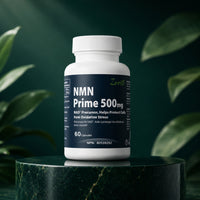
For those looking for a daily protocol designed to meet these exact clinical parameters, you can buy zeroo health's NMN supplements 500mg, which provides pharmaceutical-grade, stabilized NMN engineered for optimal cellular delivery and maximum daily absorption.

Frequently Asked Questions (FAQ)
Can I just take oral NAD+ directly instead of NMN?
You can take oral NAD+, but it is far less effective. Because NAD+ is a large molecule, digestive enzymes in your gut break most of it down into basic nicotinamide before it reaches your bloodstream. NMN, on the other hand, is a smaller precursor that resists gut degradation and converts directly into active NAD+ inside your cells.
How quickly does NMN raise NAD+ levels in the body?
Pharmacokinetic studies indicate that oral NMN is absorbed into the bloodstream within 2 to 10 minutes after ingestion. Once circulating, tissue levels of NAD+ begin rising within 15 to 30 minutes, establishing sustained elevation with consistent daily use over 4 to 8 weeks.
Is NAD+ IV therapy better than daily oral NMN supplementation?
NAD+ IV therapy provides a high, immediate spike of NAD+ in the bloodstream, but it is expensive (
300–800/session), time-consuming, and cleared rapidly by the body. Daily oral NMN supplementation provides a steady, long-term supply of raw building blocks that allows your cells to maintain optimal NAD+ levels continuously at a fraction of the cost.
What is the recommended daily dosage of NMN?
Most human clinical studies evaluating energy, insulin sensitivity, and athletic endurance focus on daily doses between 250mg and 500mg. Taking 500mg daily in the morning aligns well with your body's natural circadian rhythm for energy production.
Are there any known side effects when taking NMN supplements?
Human clinical trials demonstrate that NMN is well-tolerated at daily doses up to 1,000mg with no severe adverse effects reported. Mild side effects reported by a small minority include light digestive upset if taken on an empty stomach, which resolves when taken with breakfast.
Medical Disclaimer
The information provided in this article is for educational and informational purposes only and is not intended as medical advice. Dietary supplements like NMN are not intended to diagnose, treat, cure, or prevent any disease. Always consult with your physician or a qualified healthcare professional before starting any new supplement regimen, especially if you have pre-existing medical conditions or take prescription medications.