
Byline: Zeroo Health Research & Editorial Team
Last Updated: October 2026
Nicotinamide mononucleotide (NMN) is a naturally occurring bioactive nucleotide that serves as a direct metabolic precursor to nicotinamide adenine dinucleotide (NAD+), an essential coenzyme required for cellular energy production, mitochondrial respiration, and enzymatic DNA repair. The United States Food and Drug Administration (FDA) is the federal agency responsible for regulating food, pharmaceuticals, and dietary supplements under the Federal Food, Drug, and Cosmetic Act (FD&C Act).
Under Section 201(ff)(3)(B)(ii) of that statute—widely known as the "drug preclusion" or "race-to-market" clause—an article cannot be marketed as a dietary supplement if it has been authorized for investigation as a new drug, unless it was first marketed as a food or supplement. Consumers seeking a clear NMN FDA ban update have faced years of contradictory administrative rulings, marketplace removals, and federal litigation. Today, the regulatory landscape has stabilized with significant reversals that restore consumer access across North America.
Quick Answer
As of recent FDA regulatory determinations, nicotinamide mononucleotide (NMN) is lawful to sell as a dietary supplement in the United States. The FDA reversed its 2022 exclusion after industry challenges proved NMN was commercially marketed before pharmaceutical drug investigations began. In Canada, NMN remains fully authorized under Health Canada Natural Health Product regulations.
Key Takeaways
-
Lawful Status Reinstated: The FDA officially reversed its 2022 exclusion of NMN, confirming that NMN is not precluded from the dietary supplement definition and reinstating acknowledgment pathways for New Dietary Ingredient Notifications (NDINs).
-
The Race-to-Market Resolution: The reversal hinged on historical commerce records demonstrating that NMN was openly marketed as a dietary supplement in the United States as early as 2017, prior to the authorization of Investigational New Drug (IND) clinical trials for pharmaceutical formulations.
-
Safety Profile Uncompromised: At no point during the multi-year regulatory dispute did the FDA determine that NMN presented a safety hazard or toxicity concern; the dispute centered exclusively on statutory drug preclusion rules.
-
Distinct National Models: While the United States regulates NMN through post-market dietary supplement notifications, Health Canada enforces a mandatory pre-market licensing process that awards an eight-digit Natural Product Number (NPN) verifying identity, potency, and safety.
-
Marketplace Verification: Consumers must continue to verify third-party certificates of analysis (CoAs) from ISO 17025 accredited laboratories, as administrative legality does not automatically prevent substandard or underdosed products on unregulated digital storefronts.
Table of Contents
-
About This Evidence Review
-
Why Did the FDA Attempt to Ban NMN Supplements?
-
What Caused the FDA to Reverse Its NMN Exclusion?
-
Is NMN Banned or Legal to Buy and Sell Today?
-
How Does NMN Regulation Differ Between the US and Canada?
-
Regulatory Comparison: Dietary Supplements vs. Pharmaceuticals
-
Where Does Pharmaceutical MIB-626 Win Over Dietary NMN?
-
What Are the Documented Safety Parameters and Clinical Limits of NMN?
-
How Should Consumers Evaluate and Choose Verified NMN Supplements?
-
Frequently Asked Questions About NMN Legal Status and Use
-
References
About This Evidence Review
This regulatory and clinical review evaluates the statutory timeline of nicotinamide mononucleotide across administrative, legal, and biochemical domains. The evidence synthesized here comprises:
-
Statutory and Administrative Filings: Official FDA response letters, New Dietary Ingredient Notification (NDIN) acknowledgment dockets, citizen petitions submitted under 21 C.F.R. § 10.30, and legal pleadings filed in the U.S. District Court for the District of Columbia.
-
Foreign Regulatory Frameworks: Health Canada published monographs, Natural and Non-prescription Health Products Directorate (NNHPD) regulatory directives, and licensed product databases.
-
Peer-Reviewed Clinical Literature: Double-blind, placebo-controlled human clinical trials measuring whole-blood NAD+ pharmacokinetics, physiological safety parameters, metabolic biomarkers, and functional physical performance (Pencina et al., 2023; Yi et al., 2023).
Preclinical animal models (rodent studies) and in vitro cellular assays are explicitly cited only where human metabolic data remains incomplete, and they are labeled accordingly. This analysis clearly distinguishes between administrative legal classifications, proven physiological endpoints, and unresolved clinical questions.
Why Did the FDA Attempt to Ban NMN Supplements?
The FDA attempted to exclude nicotinamide mononucleotide from dietary supplements in November 2022 by invoking the Food, Drug, and Cosmetic Act drug preclusion clause. The agency asserted that Metro International Biotech had initiated clinical trials for an investigational NMN drug formulation before manufacturers legally marketed the molecule as a commercial dietary supplement.

To understand why the federal government took action against NMN, one must examine Section 201(ff)(3)(B)(ii) of the Federal Food, Drug, and Cosmetic Act. Enacted as part of the Dietary Supplement Health and Education Act of 1994 (DSHEA), this provision was designed to protect financial incentives for pharmaceutical research. The clause establishes that an ingredient cannot be marketed as a dietary supplement if the substance has been authorized for investigation as a new drug (IND), and if substantial clinical investigations have been instituted and made public, before the substance was marketed as a food or dietary supplement.
Between 2020 and early 2022, the commercial NMN sector operated under standard DSHEA compliance procedures. Several manufacturers filed New Dietary Ingredient Notifications (NDINs) with the FDA to establish ingredient identity and safety. In May 2022, the FDA issued an NDIN acknowledgment letter without objection (NDIN 1247) to SyncoZymes (Shanghai) Co. Ltd., distributed by CellMark USA. In the dietary supplement industry, this acknowledgment is known as a "good day letter," signaling that the agency found no safety deficiencies preventing market distribution.
The regulatory environment shifted abruptly on November 4, 2022. In an administrative response letter sent to Inner Mongolia Kingdomway Pharmaceutical Co., Ltd. (NDIN 1262), the FDA reversed its stance. The FDA stated that upon reviewing new internal data, it determined NMN was excluded from the statutory definition of a dietary supplement.
The primary catalyst for this reversal was Metro International Biotech LLC, a clinical-stage pharmaceutical firm co-founded by Harvard longevity researcher Dr. David Sinclair. Metro Biotech had submitted an IND application to evaluate a proprietary microcrystalline form of beta-NMN, designated MIB-626, for specific therapeutic and metabolic indications (Pencina et al., 2023). Metro Biotech subsequently submitted formal comment letters urging the FDA to enforce the drug preclusion clause. The pharmaceutical developer argued that permitting commercial dietary supplement firms to market identical active compounds would undermine pharmaceutical investments required to bring prescription therapies through multi-phase clinical validation.
The FDA accepted Metro Biotech's position in late 2022, concluding that MIB-626 had been authorized for clinical drug trials before NMN was "lawfully marketed" as a dietary supplement. While the FDA did not declare NMN unsafe, the administrative exclusion created severe commercial shockwaves. By March and April 2023, digital retail giants, including Amazon, cited the FDA's letter and began systematically delisting NMN products, leaving manufacturers and consumers in legal limbo.
What Caused the FDA to Reverse Its NMN Exclusion?
The FDA reversed its NMN exclusion after the Natural Products Association and Alliance for Natural Health filed citizen petitions and federal legal challenges. Evidence proved distributors marketed NMN in the United States as early as 2017, predating pharmaceutical drug investigations and satisfying the statutory race-to-market timeline established by federal law.

The dietary supplement industry refused to accept the FDA's administrative exclusion as final. On March 7, 2023, two leading trade groups—the Natural Products Association (NPA) and the Alliance for Natural Health USA (ANH-USA)—submitted a joint Citizen Petition (Docket No. FDA-2023-P-0872) directly to the agency. Shortly thereafter, the Council for Responsible Nutrition (CRN) filed a parallel petition (Docket No. FDA-2023-P-1867).
The industry trade associations presented three central arguments against the FDA's decision:
-
Misinterpretation of the Race-to-Market Clause: The petitioners demonstrated that NMN was openly marketed, sold, and ingested as a dietary supplement across the United States well before any IND application was submitted or made public.
-
The "Lawful Marketing" Overreach: The FDA had previously argued that prior supplement sales did not count unless the sellers had completed an NDIN filing years earlier. The trade associations countered that the plain statutory language of DSHEA focuses strictly on the physical timing of commercial marketing, not retroactive administrative determinations of compliance.
-
Lack of Regulatory Transparency: The FDA had refused to disclose the exact date on which Metro Biotech’s IND was authorized, making it impossible for independent manufacturers to verify whether pharmaceutical research truly predated commercial supplement availability.
Frustrated by agency delays, the NPA took legal action in August 2024 by filing a complaint against the FDA in the United States District Court for the District of Columbia. The lawsuit alleged that the agency's retroactive application of the FD&C Act was arbitrary, capricious, and an abuse of administrative discretion under the Administrative Procedure Act. Metro International Biotech attempted to intervene in the litigation to protect its drug development rights, further escalating the conflict between pharmaceutical and dietary supplement sectors. The federal court placed a temporary stay on the litigation, ordering the FDA to issue a formal, definitive response to the outstanding citizen petitions.
On September 29, 2025, the FDA issued a landmark 26-page administrative response that overturned its previous position (FDA, 2025). Signed by senior agency officials, the determination conceded that "the best reading of the race-to-market clause is that Congress intended the sole focus to be the timing of specific events... Congress did not intend for FDA to examine whether the first marketing of the article as a dietary supplement or as a food was lawful" (FDA, 2025).
Because verified commercial records proved that NMN was marketed as a dietary supplement in the United States as early as 2017—prior to the authorization of the relevant IND—the agency formally concluded that nicotinamide mononucleotide is not excluded from the statutory definition of a dietary supplement under Section 201(ff)(3)(B) (FDA, 2025). In December 2025, the FDA followed up by officially reinstating previously acknowledged NDIN filings, including the original good day letter issued to SyncoZymes.
Is NMN Banned or Legal to Buy and Sell Today?
Nicotinamide mononucleotide is not banned; NMN is legal to purchase, possess, and distribute as a dietary supplement across the United States. The FDA restored pre-market notification pathways for supplement manufacturers in late 2025, and established online retailers have resumed regular domestic product sales under standard federal manufacturing guidelines.

Following the formal administrative reversal by the FDA, the question of whether NMN is banned has been resolved in the negative. Nicotinamide mononucleotide is completely lawful to purchase, hold, and consume within the United States. Commercial manufacturers are once again permitted to submit NDIN filings to the FDA, and domestic distribution channels have normalized.
For consumers, this regulatory resolution eliminated the confusing gray market that characterized the 2023 to 2025 period. During the height of the administrative dispute, U.S. Customs and Border Protection occasionally targeted commercial import shipments of raw NMN, and major digital marketplaces prohibited vendors from using the term "NMN" in product listings. These restrictions forced many consumers to navigate overseas websites or rely on alternative precursors like nicotinamide riboside (NR). Detailed analysis on precursor mechanisms can be found in our comprehensive cellular longevity supplement guide.
Today, the primary domestic compliance requirement for selling NMN in the United States rests on current Good Manufacturing Practice (cGMP) regulations governed by 21 C.F.R. Part 111. Companies marketing NMN must:
-
Maintain identity, purity, strength, and composition specifications for every finished batch.
-
Conduct comprehensive testing for microbial contamination, heavy metals (lead, arsenic, cadmium, mercury), and chemical solvent residues.
-
Restrict label claims to permissible structure/function language (such as "supports cellular energy production" or "promotes systemic NAD+ levels") without making unauthorized disease-treatment claims.
It is important to emphasize that while NMN is lawful to market, the FDA does not issue formal pre-market "approvals" for any dietary supplement in the manner it approves prescription drugs. Instead, the agency monitors post-market adverse events and verifies that ingredients comply with statutory safety notifications.
How Does NMN Regulation Differ Between the US and Canada?
The United States regulates NMN as a dietary supplement under post-market DSHEA surveillance, requiring manufacturer-filed new dietary ingredient notifications. Conversely, Health Canada regulates NMN as a Natural Health Product, requiring rigorous pre-market assessment of safety, batch purity, and manufacturing standards before granting a mandatory eight-digit Natural Product Number.
Image Prompt (production note, remove before publishing): Side-by-side comparative editorial photograph displaying two supplement bottles on a natural light wood table, one showing a standard United States supplement facts panel and the other displaying an official Health Canada eight-digit Natural Product Number, captured in balanced natural daylight with a 50mm f/2.2 lens.
ALT: Comparison of United States dietary supplement labeling and Health Canada Natural Product Number compliance for NMN.
While the United States and Canada share a common border, their regulatory philosophies regarding natural health compounds diverge significantly. The United States operates largely on a post-market enforcement framework under DSHEA. In the U.S., a manufacturer is not required to register finished consumer products with the FDA prior to commercial retail sale, provided the ingredient itself has undergone required notification pathways or qualifies under grandfathered status.
Canada takes a fundamentally different, pre-market licensing approach governed by the Natural and Non-prescription Health Products Directorate (NNHPD) under the Natural Health Products Regulations (NHPR). In Canada, NMN is classified as a Natural Health Product (NHP) rather than a food or drug. Before a single bottle of NMN can be legally sold in Canada, the product formulation must undergo rigorous evaluation by Health Canada scientists.
Canadian NHP Compliance Pathway
-
Step 1: Raw Ingredient Testing: Identity verification of the enzymatic or synthetic substrate and complete absence of banned environmental toxins.
-
Step 2: Canadian Standard GMP Site-Licensed Facility: Production within premises holding an active Health Canada Site Licence, mandating strict cleanroom operations and validated batch records.
-
Step 3: Health Canada Scientific Review: Federal scientific review evaluating clinical safety evidence, safe daily upper intake thresholds, and substantiation for label claims.
-
Step 4: Issuance of an Eight-Digit Natural Product Number: Official regulatory licensing marked by a dedicated identifier, such as NPN 80139252, printed clearly on the retail container.
-
Step 5: Authorized Domestic Distribution: Lawful national retail sale governed by pre-cleared, authorized structure and function claims.
When Health Canada approves an NMN formulation, it issues an eight-digit Natural Product Number (NPN) that must appear visibly on the front display panel of the label. This NPN signifies that the federal government has independently validated:
-
Safety Data: Clinical toxicological reviews confirming that the recommended daily dosage presents no unreasonable health risk.
-
Efficacy Claims: Review of published human clinical trials supporting authorized label statements regarding cellular energy and metabolic support.
-
Good Manufacturing Practices: Verification that the manufacturing facility holds an active Canadian Site Licence, which mandates validated sanitation, cleanroom controls, batch records, and independent analytical testing.
Crucially, Health Canada never subjected NMN to an administrative ban or pharmaceutical exclusion. The Canadian regulatory framework does not contain an equivalent to the U.S. "drug preclusion clause." In Canada, a molecule can be researched as a pharmaceutical candidate while simultaneously being sold as an authorized Natural Health Product, provided the NHP formulation meets all safety parameters established in the official Health Canada Nicotinamide Mononucleotide Monograph (Health Canada, 2024). Consequently, Canadian consumers experienced uninterrupted access to lab-tested NMN throughout the entirety of the U.S. regulatory controversy.
Understanding structural delivery—such as comparing stability between powder and capsules—is essential when evaluating either Canadian or American products.
Regulatory Comparison: Dietary Supplements vs. Pharmaceuticals
The following comparison table details how nicotinamide mononucleotide is classified, regulated, and verified across American and Canadian frameworks compared to investigational pharmaceutical formulations:
| Regulatory Criteria | Dietary Supplement NMN (United States) | Investigational Drug MIB-626 (United States) | Natural Health Product NMN (Canada) |
| Governing Authority | U.S. Food and Drug Administration (FDA) | FDA Center for Drug Evaluation and Research (CDER) | Health Canada (NNHPD) |
| Legal Framework | FD&C Act / DSHEA (21 U.S.C. § 321) | FD&C Act Section 505 (IND / NDA) | Food and Drugs Act / NHPR |
| Market Access Requirement | Pre-market NDIN notification; post-market cGMP compliance | Multi-phase clinical trials (Phase I–III) prior to NDA | Mandatory pre-market evaluation and product licensing |
| Current Lawful Status | Lawful; exclusion reversed Sept 2025 (FDA, 2025) | Active clinical investigation | Lawful; licensed via NPN |
| Public Verification Identifier | NDIN Docket Number (Manufacturer-held) | ClinicalTrials.gov Identifier | 8-Digit Natural Product Number on front label |
| Permitted Label Claims | Structure/function claims only (no disease claims) | Disease diagnosis, mitigation, treatment, or cure | Pre-cleared Health Canada health claims |
| Evidence Level | Human pharmacokinetic & functional RCTs (Yi et al., 2023) | Phase II disease-specific randomized trials (Pencina et al., 2023) | Systematically reviewed monographs & human RCTs (Health Canada, 2024) |
The DSHEA Preclusion Assessment Framework
To conceptualize the legal mechanics behind the FDA’s reversal, examine this step-by-step decision framework illustrating how statutory race-to-market determinations are evaluated under 21 U.S.C. § 321(ff)(3)(B)(ii):
-
Initial Inquiry: Has the substance been authorized for investigation as a New Drug under an active IND application? If no, the substance remains a lawful dietary ingredient under standard DSHEA guidelines. If yes, the evaluation proceeds to Step 2.
-
Clinical Threshold: Have substantial clinical investigations been instituted and made public? If no, the substance remains a lawful dietary ingredient. If yes, the evaluation proceeds to Step 3.
-
The Race-to-Market Criterion: Was the substance marketed in the United States as a food or dietary supplement prior to the date of IND authorization? If yes, the substance remains a lawful dietary ingredient (the exact statutory basis that forced the FDA's September 2025 reversal). If no, the substance is excluded from the dietary supplement definition under the drug preclusion clause.
Where Does Pharmaceutical MIB-626 Win Over Dietary NMN?
Pharmaceutical formulations like MIB-626 offer advantages in therapeutic consistency, proprietary microcrystalline bioavailability, and strict Phase II clinical endpoint verification for specific disease states. While dietary NMN supports general cellular NAD+ restoration, prescription-grade pharmaceutical candidates undergo standardized clinical validation that over-the-counter dietary supplements do not provide for targeted medical treatment.

As a brand that exclusively manufactures over-the-counter dietary supplements, Zeroo Health recognizes the distinct biological and clinical value that pharmaceutical drug development contributes to modern medicine. While dietary NMN supplements provide accessible daily support for cellular NAD+ maintenance in healthy adults, pharmaceutical formulations like Metro International Biotech's MIB-626 hold clear advantages in clinical rigor, precision pharmacology, and targeted disease intervention.
Pharmaceutical Versus Dietary Scope
-
Target Clinical Objectives: Investigational drugs target specific disease pathologies and cellular failures, whereas over-the-counter dietary NMN supports baseline cellular coenzyme pools.
-
Physical Chemistry: Pharmaceutical candidates like MIB-626 utilize proprietary microcrystalline stabilization to resist ambient humidity, whereas conventional supplements utilize standardized enzymatic synthesis that requires protective encapsulation.
-
Clinical Oversight: Prescription pharmaceutical therapies mandate board-certified medical supervision and blood monitoring, whereas dietary supplements serve self-directed wellness protocols.
-
Testing Rigor: Pharmaceutical drugs undergo phased multi-center trials measuring survival and disease arrest, whereas dietary supplements demonstrate safety and general vitality via cGMP batch testing.
First, pharmaceutical drug development focuses on validated disease-specific endpoints rather than general wellness. Metro Biotech has investigated MIB-626 in controlled Phase II trials targeting complex medical conditions, including Friedreich's ataxia, acute kidney injury, and severe metabolic dysfunction. In a peer-reviewed clinical trial led by Dr. Kathryn Pencina and published in The Journals of Gerontology, researchers evaluated MIB-626 in 32 middle-aged and older adults (Pencina et al., 2023). The investigators confirmed that microcrystalline NMN significantly elevated circulating blood NAD+ levels and its associated metabolites with tight pharmacokinetic consistency.
Second, pharmaceutical formulations utilize proprietary delivery technologies that enhance physical chemical stability. Standard beta-NMN is inherently hygroscopic, meaning it attracts ambient moisture from the air, which can accelerate degradation into ordinary nicotinamide if improperly stored. Metro Biotech engineered MIB-626 as a proprietary, microcrystalline polymorph designed to resist hydrolytic degradation and ensure predictable gastrointestinal dissolution across diverse patient populations.
Finally, prescription therapies provide physician-monitored dosage titration. For individuals suffering from severe metabolic impairments or neurodegenerative disorders, managing care under a board-certified medical specialist using a pharmaceutical candidate subjected to formal FDA clinical review remains superior to unmonitored self-supplementation with over-the-counter products. Dietary supplements are designed to support normal biological function, not cure or mitigate acute pathological disease states.
What Are the Documented Safety Parameters and Clinical Limits of NMN?
Human clinical trials demonstrate that daily oral NMN doses between 250 mg and 1,200 mg are well-tolerated over trials lasting up to twelve weeks. Documented side effects remain rare and mild, though research has not yet evaluated multi-year continuous use, maternal safety during pregnancy, or long-term impacts on specific active oncological conditions.

Throughout the regulatory debate, public confusion arose regarding whether the FDA's administrative actions stemmed from safety risks. The scientific record demonstrates that the FDA never cited clinical toxicity, mutagenicity, or adverse events when issuing its 2022 exclusion letters. Over a dozen published human clinical trials have systematically confirmed that high-purity NMN maintains a favorable safety profile across broad demographic cohorts.
In a landmark multi-center randomized, double-blind, placebo-controlled trial published in GeroScience by Yi et al. (2023), 80 healthy middle-aged adults received either placebo or daily oral NMN doses of 300 mg, 600 mg, or 900 mg for 60 consecutive days (Yi et al., 2023). The researchers monitored comprehensive blood chemistry, hematological indices, liver function enzymes, and renal markers. Yi et al. observed no clinical abnormalities, no adverse events, and confirmed dose-dependent increases in blood NAD+ concentrations that correlated with measurable improvements in physical walking endurance. For individuals integrating longevity protocols into active fitness routines, our analysis of athletic performance and mitochondrial respiration details relevant exercise physiology.
Despite these reassuring clinical findings, important evidentiary boundaries remain:
-
Duration Constraints: Most published human clinical trials have monitored subjects over 30 to 90 days, with limited data extending to 12 weeks. Long-term data evaluating continuous daily administration over several consecutive years is not yet available in the scientific literature.
-
Oncological Considerations: While NAD+ is essential for normal DNA repair enzymes (PARPs and sirtuins), rapidly dividing malignant cells also utilize cellular energy pathways. Preclinical animal studies suggest that while NAD+ repletion protects healthy tissue from initial DNA damage, elevating cellular NAD+ pools in the presence of established, active malignant tumors requires extreme clinical caution. Individuals undergoing active cancer treatment must avoid NMN supplementation unless explicitly authorized by their oncologist.
-
Maternal and Pediatric Gaps: No human clinical trials have evaluated the safety of NMN supplementation in pregnant women, nursing mothers, or individuals under 18 years of age. These populations should not consume NMN.
-
Pharmacological Interactions: Potential interactions between high-dose NMN and medications metabolized through hepatic cytochrome P450 pathways remain unstudied. Anyone taking prescription pharmaceuticals for hypertension, insulin management, or liver disorders should consult their treating physician prior to use.
How Should Consumers Evaluate and Choose Verified NMN Supplements?
Consumers should evaluate NMN supplements by demanding batch-specific third-party laboratory certificates verifying at least 99 percent purity and testing for heavy metals and microbial contaminants. Buyers should avoid bulk raw powders stored in unsealed containers and prioritize formulations registered with national regulators like Health Canada for verified ingredient integrity.

Although the FDA's regulatory reversal makes NMN lawful to market in the United States, consumers must navigate a commercial landscape where product quality varies dramatically. Administrative legality does not guarantee chemical purity. In 2024, an independent analytical investigation published in GeroScience by Sandalova et al. evaluated multiple commercially available NMN products purchased from online marketplaces (Sandalova et al., 2024). The researchers discovered that more than half of the tested brands contained little to no active NMN, substituting the active compound with cheap fillers or plain nicotinamide.
Consumer Quality Verification Checklist
-
Third-Party Testing: Demand a batch-specific ISO 17025 accredited Certificate of Analysis (CoA) tied directly to the lot number on your bottle.
-
Assayed Purity Level: Confirm high-performance liquid chromatography (HPLC) testing establishes active beta-nicotinamide mononucleotide purity of 99 percent or higher.
-
Contaminant Screening: Verify a passing heavy metals panel covering lead, arsenic, cadmium, and mercury alongside total aerobic microbial, yeast, and mold counts.
-
Molecular Specificity: Ensure the label specifies pure beta-NMN, the biologically active stereoisomer utilized in human metabolic pathways.
-
Protective Packaging: Choose opaque, airtight, sealed vegetarian capsules over open-mouthed bulk powder tubs to prevent moisture-induced hydrolysis.
-
Regulatory Compliance: Look for visible registration identifiers, such as an official Health Canada Natural Product Number, indicating sovereign regulatory review.
To avoid counterfeit or adulterated supplements, consumers should apply these objective criteria:
-
Require Batch-Specific HPLC Testing: High-Performance Liquid Chromatography (HPLC) is the standard analytical method for determining chemical purity. Insist on viewing a Certificate of Analysis (CoA) tied to your specific product lot number, performed by an independent, ISO 17025 accredited laboratory. The CoA must confirm active beta-nicotinamide mononucleotide purity of 99 percent or higher.
-
Examine Regulatory Registration: If purchasing within Canada, check that the front of the packaging displays an eight-digit Natural Product Number (NPN). You can cross-reference this identifier against the publicly searchable Health Canada Licensed Natural Health Products Database to verify that the formula, dose, and manufacturer are federally authorized.
-
Avoid Unsealed Bulk Powders: Loose NMN powders sold in wide-mouth tubs are repeatedly exposed to atmospheric air every time the container is opened. Moisture triggers hydrolysis, converting active NMN into plain nicotinamide (a form of vitamin B3 that can paradoxically inhibit sirtuin enzymes at high concentrations). Sealed, delayed-release capsules provide superior physical barrier protection against moisture and environmental oxidation.
Where to Buy Verified NMN Supplements
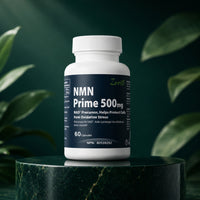
For Canadian residents seeking domestic fulfillment, Zeroo Health crafts NMN Supplements Canada can trust, featuring our flagship NMN Prime 500mg formula. Formulated in Vancouver, British Columbia, each vegetarian capsule provides 500 mg of 99%+ pure, enzymatically synthesized beta-NMN manufactured under full Canadian cGMP compliance.
Every batch undergoes comprehensive testing at accredited third-party laboratories for potency, heavy metals, and microbials, operating under official Health Canada authorization (NPN 80139252). Domestic shipping eliminates border inspection holds, foreign currency exchange fees, and customs delays.
Frequently Asked Questions About NMN Legal Status and Use
Is NMN legal to purchase online in the United States and Canada?
Yes, NMN is legal to purchase across both countries. In the United States, the FDA recognizes NMN as a lawful dietary supplement ingredient following its September 2025 regulatory reversal. In Canada, consumers can legally purchase NMN supplements that carry an official eight-digit Natural Product Number issued by Health Canada.
Why did Amazon stop selling NMN supplements in 2023?
Amazon halted sales of NMN supplements in early 2023 after the FDA sent letters declaring NMN excluded from the dietary supplement category. Following the FDA’s formal reversal and reinstatement of new dietary ingredient notifications in late 2025, major digital retail marketplaces began restoring compliant NMN supplement listings.
Does an FDA reversal mean NMN is officially "FDA approved"?
No, the FDA does not approve dietary supplements in the manner it approves prescription drugs. Instead, the FDA confirmed that NMN is not excluded from the statutory definition of a dietary supplement. Manufacturers remain responsible for ensuring product safety, current Good Manufacturing Practice compliance, and accurate dietary labeling.
What is the difference between dietary NMN and pharmaceutical MIB-626?
Dietary NMN is an over-the-counter nutritional supplement designed to support baseline cellular coenzyme levels in healthy adults. MIB-626 is a proprietary, microcrystalline pharmaceutical formulation developed by Metro International Biotech that undergoes formal clinical trials aimed at treating specific medical conditions and metabolic disorders under prescription supervision.
What daily NMN dosage does current human clinical research support?
Published human clinical trials evaluate daily NMN dosages ranging from 250 mg to 1,200 mg. Most peer-reviewed pharmacokinetic and functional studies indicate that 500 mg daily reliably doubles whole-blood NAD+ concentrations in middle-aged and older adults without significant adverse gastrointestinal or biochemical side effects.
Who should consult a doctor before supplementing with NMN?
Pregnant individuals, nursing mothers, and anyone undergoing treatment for active cancer should consult a licensed physician before using NMN. Individuals taking prescription medications that affect liver enzymes, blood pressure, or blood glucose regulation should also seek professional medical guidance before introducing daily cellular NAD+ precursors.
Conflict of Interest & Regulatory Disclosure
Zeroo Health manufactures and retails NMN Prime 500mg, an encapsulated single-ingredient nicotinamide mononucleotide supplement licensed by Health Canada under Natural Product Number (NPN) 80139252. Zeroo Health does not formulate, sell, or hold financial interests in prescription pharmaceutical drug candidates (such as MIB-626) or bulk, unformulated industrial chemical powders. To maintain rigorous editorial objectivity, this report relies strictly on public regulatory filings from the United States Food and Drug Administration (FDA), federal court dockets, Health Canada monographs, and peer-reviewed human clinical trials. Commercial motivations of all cited organizations—including pharmaceutical developers and dietary supplement trade associations—are explicitly identified throughout this analysis.
References
Health Canada. (2024). Nicotinamide Mononucleotide Monograph. Natural and Non-prescription Health Products Directorate (NNHPD). https://webprod.hc-sc.gc.ca/nhpid-bdipsn/atReq.do?atid=nicotinamide.mononucleotide
Pencina, K. M., Vallee, M., Li, Z., Guo, W., Li, R., Gaudet, S., Beleva, Y., Bhasin, R., Bhasin, S., & Storer, T. W. (2023). MIB-626, an oral formulation of a microcrystalline nicotinamide mononucleotide, increases circulating concentrations of nicotinamide adenine dinucleotide and its metabolites in middle-aged and older adults. The Journals of Gerontology: Series A, 78(1), 90–96. https://doi.org/10.1093/gerona/glac049
Sandalova, E., Lim, Z. X., Wang, Y., & Maier, A. B. (2024). Testing the amount of nicotinamide mononucleotide and urolithin A as compared to the label claim. GeroScience, 46(5), 5075–5083. https://doi.org/10.1007/s11357-024-01257-2
U.S. Food and Drug Administration. (2025). Response Letter to Citizen Petition from Natural Products Association and Alliance for Natural Health USA (Docket No. FDA-2023-P-0872). U.S. Department of Health and Human Services. https://www.regulations.gov/docket/FDA-2023-P-0872
U.S. Government Publishing Office. (2023). 21 U.S. Code § 321 - Definitions; generally (FD&C Act Section 201). Title 21 - Food and Drugs, Chapter 9. https://www.govinfo.gov/content/pkg/USCODE-2023-title21/pdf/USCODE-2023-title21-chap9-subchapII-sec321.pdf
Yi, L., Maier, A. B., Tao, R., Lin, Z., Vaidya, A., Pendse, S., Thasma, S., Andhalkar, N., Avhad, G., & Kumbhar, V. (2023). The efficacy and safety of β-nicotinamide mononucleotide (NMN) supplementation in healthy middle-aged adults: a randomized, multicenter, double-blind, placebo-controlled, parallel-group, dose-dependent clinical trial. GeroScience, 45(1), 29–43. https://doi.org/10.1007/s11357-022-00705-1