
based on research published by Dr. Marcus Vance, Ph.D. | Medically Reviewed by the Zeroo Health Scientific Advisory Board
Step into any longevity community, and you will spot a heated debate pitting NMN vs TMG against each other as if they were rival compounds competing for a single spot in your medicine cabinet. Some biohackers claim you should pick between the two, while others warn that taking NMN alone will empty your body's biochemical reserves.
Much of this chatter stems from a basic misunderstanding of how cells produce energy and process metabolic waste. NMN and TMG do completely different jobs inside human biology. One fuels cellular energy and enzymatic DNA repair; the other manages methyl groups, liver lipids, and vascular health.
Understanding how these two compounds interact keeps you from wasting money on redundant routines and protects your daily metabolic balance.
Quick Answer: What Is the Difference Between NMN and TMG?
NMN (nicotinamide mononucleotide) is a direct cellular precursor that elevates nicotinamide adenine dinucleotide (NAD+) to power mitochondrial metabolism and sirtuin repair enzymes. TMG (trimethylglycine or betaine) is a methyl donor and cellular osmolyte that recycles homocysteine into methionine. Rather than competing, they operate cooperatively: TMG supplies methyl groups that help clear the metabolic byproducts created when your body processes high doses of NMN.
What Are NMN and TMG? Distinct Biological Purposes
To compare these compounds clearly, we need to strip away longevity buzzwords and look at their core cellular chemistry.
| Feature | NMN (Nicotinamide Mononucleotide) | TMG (Trimethylglycine / Betaine) |
| Primary Identity | Bioactive Vitamin B3 Precursor | Methylated Glycine Amino Acid |
| Main Role | Synthesizes Cellular NAD+ |
Donates Methyl Groups (
|
| Primary Pathway | NAD+ Salvage Pathway (NMNAT) | Methionine Cycle (BHMT Enzyme) |
| Core End-Benefit | Mitochondrial ATP & DNA Repair | Homocysteine Balance & Hydration |
| Target Organelles | Mitochondria & Cell Nucleus | Liver Cytoplasm & Vascular System |
The Role of NMN: Recharging Your Cellular Battery
Nicotinamide mononucleotide is a bioactive nucleotide derived from ribose and nicotinamide. Its sole job in human physiology is to serve as the immediate building block for nicotinamide adenine dinucleotide (NAD+).
NAD+ exists in every single cell in your body. It acts as an essential coenzyme for:
-
Converting carbohydrates, fats, and proteins into adenosine triphosphate (ATP) inside your mitochondria
-
Activating sirtuins (SIRT1–SIRT7), the master regulatory enzymes that supervise cellular repair and metabolic rate
-
Enabling PARP enzymes to detect and repair daily DNA strand breaks
As you age, your natural tissue NAD+ concentrations drop drastically. By age 50, average NAD+ levels fall to roughly half of youthful baselines. This drop leaves cells starved of the molecular fuel required to repair damage and maintain metabolic efficiency.
Supplementing with oral NMN restores those depleted reserves. As explored in our breakdown of NMN vs NAD+, intact NMN travels into tissues via dedicated transport channels like the Slc12a8 protein, converting into usable NAD+ inside your cells.
The Role of TMG: The Master Methyl Donor and Osmolyte
Trimethylglycine—commonly known in nutritional biochemistry as betaine—is a modified amino acid containing a glycine backbone bonded to three distinct methyl groups
TMG performs two irreplaceable jobs:
-
Methyl Donation: TMG delivers methyl groups to the methionine cycle, converting inflammatory homocysteine into methionine inside liver and kidney cells.
-
Osmoprotection: TMG pulls and retains water inside cellular membranes without disturbing normal enzyme operations, shielding cells against heat stress, osmotic shock, and physical exertion.
Unlike NMN, TMG does not boost NAD+, trigger sirtuins, or stimulate mitochondrial ATP production. Comparing them head-to-head as alternatives misses the target entirely: NMN provides cellular power, while TMG maintains internal chemical equilibrium.
The Methylation Puzzle: Why NMN Demands Methyl Groups
To understand why biohackers link these two compounds together, you have to follow what happens after your body uses NMN.
When you consume NMN, your cells turn it into NAD+. Your sirtuins, PARPs, and CD38 enzymes consume that NAD+ to perform cellular repairs. As these enzymes finish their work, they cleave the NAD+ molecule, leaving behind a metabolic byproduct: plain nicotinamide (NAM).

Your body handles excess nicotinamide through two metabolic routes:
-
The Salvage Pathway: The enzyme NAMPT recycles nicotinamide back into fresh NMN. However, this pathway operates at a fixed biological capacity.
-
Hepatic Methylation and Clearance: When nicotinamide levels overwhelm the salvage pathway, your liver neutralizes the excess via an enzyme called nicotinamide N-methyltransferase (NNMT).
NNMT attaches a methyl group to nicotinamide, converting it into N1-methylnicotinamide (MeNAM), which your kidneys safely filter out into urine.
Where does NNMT get that methyl group? It pulls it directly from S-adenosylmethionine (SAMe), your body's universal methyl donor.
A kinetic study published through the National Library of Medicine [1] demonstrates that NNMT uses a rapid equilibrium mechanism that readily drains methyl groups from SAMe to clear surplus nicotinamide [3]. When you introduce high doses of NMN day after day, your liver uses substantial amounts of SAMe to process the resulting nicotinamide metabolites.
This is where the term methylation NMN comes into play. If your methyl donor reserves are already running low, high-dose NMN supplementation adds a steady, ongoing demand to your body's methylation machinery.

Is NMN Methyl Depletion a Real Threat or Biohacking Myth?
The phrase NMN methyl depletion circulates widely across wellness podcasts and longevity forums, often causing unnecessary alarm. Some influencers suggest that taking even a single NMN capsule will strip your cells of methyl groups, sending homocysteine through the roof.
What does the clinical evidence actually show?
In healthy adults taking moderate amounts of NMN (250 mg to 500 mg daily), severe methyl pool depletion is uncommon. The human body maintains multiple overlapping pathways to regenerate SAMe through daily dietary choline, folate, and methionine. Multiple human trials reviewing metabolic panels find that standard NMN dosages do not trigger acute clinical deficiencies or liver enzyme spikes, as detailed in our guide on clinical trials on NMN side effects.
However, real methyl strain can occur under specific conditions:
-
Megadosing Protocols: Adults consuming 1,000 mg or more of raw NMN daily create an enormous metabolic clearance burden. The sheer volume of nicotinamide passing through the liver requires continuous SAMe-dependent methylation.
-
Genetic Methylation Variants: Individuals carrying common variations in the MTHFR gene (such as MTHFR C677T) have a reduced capacity to produce 5-methyltetrahydrofolate (5-MTHF). Their methionine cycles already struggle to regenerate SAMe at a normal pace.
-
Low-Choline Diets: Strict plant-based eaters or individuals eating few methyl-rich foods (egg yolks, liver, cruciferous greens, seafood) operate with smaller baseline methyl donor pools.
When SAMe runs dangerously low, your body cannot donate methyl groups to critical daily operations:
-
Neurotransmitter Metabolism: The COMT enzyme requires SAMe to break down dopamine, epinephrine, and norepinephrine. Depleted methyl groups can lead to irritability, brain fog, and restless anxiety.
-
DNA Methylation: Epigenetic switches need methyl groups to keep silent genes suppressed and maintain healthy genomic expression.
-
Creatine and Phosphatidylcholine Production: Up to 70% of your body's daily methyl donor usage goes toward producing muscle creatine and cell membrane lipids.
If you take high doses of NMN without adequate methyl donor support, you might feel a midday crash, persistent lethargy, or unexplained mood changes. This is not because NMN failed to raise NAD+, but because your methyl reserves are running on empty.
The Role of TMG: How Betaine Restores the Methionine Cycle
This brings us to the real value of trimethylglycine: it functions as a targeted biochemical pressure valve.
When SAMe donates its methyl group to clear nicotinamide, it converts into S-adenosylhomocysteine (SAH), which breaks down into homocysteine. Homocysteine is an inflammatory, vascularly toxic amino acid metabolite. If it accumulates in your blood, it promotes arterial stiffening, endothelial irritation, and oxidative stress.
Your cells have two independent ways to turn homocysteine back into safe, productive methionine:
-
The Folate Pathway: Methionine synthase relies on 5-MTHF and Vitamin B12. This pathway is easily bottlenecked by genetic mutations or vitamin deficiencies.
-
The BHMT Pathway (Betaine): The enzyme betaine-homocysteine methyltransferase transfers a methyl group directly from TMG to homocysteine. This process produces methionine and leaves behind dimethylglycine (DMG).

A comprehensive review indexed by the National Library of Medicine [2] notes that betaine supplementation effectively lowers elevated plasma homocysteine levels across diverse clinical groups [2].
Because the BHMT pathway works independently of folate and Vitamin B12, TMG offers a reliable way to recharge your SAMe reserves. When you take TMG alongside an NAD+ booster, you provide the precise chemical building blocks your liver needs to clear nicotinamide without raiding your general methyl pool.
NMN vs TMG: Comprehensive Head-to-Head Comparison
To clarify where each nutrient fits into your routine, here is how their features compare side by side:
| Evaluation Criteria | NMN | TMG |
| Primary Biochemical Role | Cellular NAD+ replenishment | Methyl group donor and osmolyte |
| Direct Impact on ATP | High (Drives mitochondrial ETC) | None (Indirect cellular support) |
| Impact on Homocysteine | Neutral to slight upward clearance pressure | Actively reduces plasma concentrations |
| Primary Health Goals | Mitochondrial energy, cellular DNA repair | Vascular health, liver support, methylation |
| Natural Food Sources | Edamame, broccoli, avocado, beef | Wheat bran, spinach, beets, quinoa |
| Standard Supplemental Dose | 250 mg – 1,000 mg daily | 500 mg – 1,500 mg daily |
| Optimal Daily Timing | Morning (Synchronized with circadian NAD+) | Morning or midday with fluids |
| Common Delivery Formats | Acid-resistant capsules, sublingual powder | Crystalline powder, standard oral capsules |
1. Energy Production vs Metabolic Clearance
NMN acts as the accelerator. It ramps up your cells' metabolic engines, enhances mitochondrial respiration, and increases physical stamina. TMG acts as the cooling system. It manages the byproducts of that increased metabolic work, keeps homocysteine levels controlled, and maintains hydration inside hard-working muscle fibers.
2. Longevity and Epigenetics
NMN drives longevity from the top down by fueling sirtuin enzymes that repair DNA breaks and supervise metabolic health. TMG supports longevity from the foundational chemistry up, safeguarding the methyl tags that regulate gene expression across your entire genome.
3. Physical Performance and Muscle Resilience
Athletes use NMN to improve aerobic threshold and delay muscle fatigue during intense training. Meanwhile, strength athletes take betaine anhydrous (TMG) to boost power output, support cellular hydration, and promote muscle protein synthesis. They assist athletic performance through distinct, non-overlapping mechanisms.

Should You Take NMN, TMG, or Both? Dosing Strategies
Now that we have separated the science from the marketing noise, how should you structure your daily protocol?
Scenario 1: Taking NMN Without TMG
You do not automatically need TMG if you take a conservative daily dose of NMN (such as 250 mg to 500 mg), maintain an omnivorous diet rich in choline (eggs, poultry, beef, cruciferous vegetables), and have no known methylation issues. At this moderate dose, your body's intrinsic salvage pathway and dietary methyl inputs handle nicotinamide turnover easily.
Scenario 2: When TMG Becomes Essential
Adding TMG to your supplement routine is wise if you:
-
Take 500 mg or more of NMN every day
-
Follow a strict vegan or vegetarian diet naturally low in dietary betaine and choline
-
Have blood panels showing fasting homocysteine above 10 µmol/L
-
Test positive for MTHFR 677TT or compound heterozygous genetic polymorphisms
-
Notice afternoon lethargy, brain fog, or low mood after starting an NMN routine
The Ideal Ratio and Timing
Longevity researchers often recommend a 1:1 or 1:0.5 ratio by weight. For example:
-
500 mg of NMN paired with 500 mg of TMG daily, or
-
1,000 mg of NMN paired with 500 mg to 1,000 mg of TMG daily
Take your NMN first thing in the morning with a tall glass of water. Because cellular NAD+ production follows natural circadian peaks tied to daytime activity, taking NMN early helps match your natural metabolic cycle.
TMG can be taken at the same time. While NMN dissolves quickly and absorbs efficiently, your chosen delivery format also influences overall bioavailability. If you are comparing delivery types, our clinical analysis of NMN sublingual vs capsule explains the trade-offs between oral capsules and sublingual administration.
For broader cellular benefits, many users pair this combination with a sirtuin activator like trans-resveratrol. For a complete look at that pairing, explore our detailed guide on the NMN and resveratrol stack.
Experience Pure Cellular Energy: Why Quality NMN Comes First
Balancing your methylation pathways only works when the baseline compounds you put into your body are clean, stable, and chemically pure. The supplement market is filled with under-dosed powders, oxidized formulations, and products that degrade on the shelf before you open them.
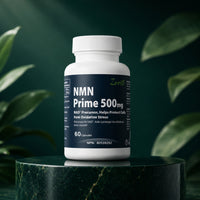
If you are looking to elevate your daily cellular energy and support sustained healthspan, begin with a verified, clinical-grade foundation. Zeroo Health NMN Prime 500mg provides high-purity, fully stabilized beta-nicotinamide mononucleotide crafted to deliver reliable NAD+ support without unnecessary additives.
| Quality Standard | Specification Details |
| Health Canada Licensed | Authorized under NPN 80139252 for verified purity and quality |
| Clinically Informed Potency | 500 mg of pure, stabilized beta-NMN per individual vegetable capsule |
| Third-Party Lab Tested |
Rigorously analyzed by independent labs to guarantee active purity
|
| Canadian GMP Certified | Manufactured in accordance with strict Canadian pharmaceutical guidelines |
| Clean Formulation | 100% vegan, non-GMO, free of gluten, artificial fillers, and flow agents |
Pairing your routine with the right methyl donors starts with choosing trusted NMN suppliments designed to supply the direct precursors your body needs for daily energy, DNA maintenance, and long-term vitality.
Frequently Asked Questions
Can TMG replace NMN for anti-aging?
No. TMG cannot substitute for NMN because it lacks the chemical structure needed to produce NAD+. While TMG serves as an important methyl donor and balances homocysteine, it does not activate sirtuins, stimulate PARP enzymes, or drive mitochondrial energy production. They fulfill separate biochemical roles in the body.
Do I have to take TMG every single time I take NMN?
No, it is not mandatory for every individual. If you take a moderate daily dose of NMN (between 250 mg and 500 mg) and consume plenty of dietary choline and B vitamins, your liver usually clears nicotinamide without issue. However, pairing TMG with your NMN acts as a helpful safeguard against methyl pool depletion if you use higher doses.
What are the main signs of methyl depletion from NMN?
The most common symptoms include mental fatigue, sudden brain fog, low mood, irritability, disrupted sleep patterns, or a midday energy slump occurring a few weeks after starting NMN. These signs often point to low SAMe availability, which temporarily reduces your ability to process neurotransmitters effectively.
Can I take NMN and TMG together in the morning?
Yes. Taking both compounds together in the morning with water is safe, convenient, and effective. Morning dosing syncs with your circadian clock, matching the natural daylight peak in cellular NAD+ production and energy expenditure.
What is the recommended dosage ratio between NMN and TMG?
Most clinical and longevity specialists suggest a 1:1 or 1:0.5 ratio by weight. If you take 500 mg of NMN per day, pairing it with 500 mg of TMG provides balanced methyl replenishment without overloading your liver or digestive tract.
Can I get enough TMG from whole foods instead of taking pills?
You can get meaningful amounts of betaine from whole food sources like spinach, wheat bran, beets, rye, and quinoa. However, reaching the 500 mg to 1,000 mg daily levels commonly used in longevity stacks requires eating significant daily amounts of these foods, making standalone supplements a more predictable choice for high-dose NMN users.
Medical Disclaimer
The information provided in this article is strictly for educational and informational purposes and is not intended as medical advice, diagnosis, or treatment. Nutritional biochemistry and individual metabolic responses vary based on genetics, existing medical conditions, and lifestyle factors. Always consult a licensed healthcare practitioner or qualified physician before initiating any new dietary supplement protocol, adjusting existing dosages, or combining compounds, particularly if you are pregnant, nursing, taking prescription medications, or have a pre-existing medical condition.