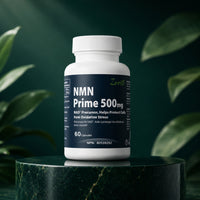

Hitting your 50s brings changes that often feel like they arrived overnight. Workouts that kept you fit for decades suddenly produce diminishing returns. An eight-hour night of sleep no longer guarantees morning alertness. Brain fog creeps in during afternoon meetings, and the bathroom scale refuses to budge. While these changes are commonly dismissed as unavoidable symptoms of menopause, a quieter biological shift is happening inside your cells. Research into longevity science reveals that interest in NMN women over 50 stems from a sharp drop in a vital cellular molecule: nicotinamide adenine dinucleotide (NAD+). Understanding how restoring this coenzyme impacts cellular energy, hormone pathways, and metabolism provides women over 50 with a practical, science-backed way to take charge of how they feel every day.
Quick Answer: What Does NMN Do for Women Over 50?
Nicotinamide Mononucleotide (NMN) is a direct precursor to NAD+, an essential coenzyme responsible for cellular energy production and DNA repair. As estrogen drops during menopause, systemic NAD+ levels plummet by up to 50%, accelerating fatigue, insulin resistance, and cognitive sluggishness. Daily NMN supplementation replenishes cellular NAD+ pools, helping women over 50 improve muscle insulin sensitivity, sustain daily physical energy, sharpen mental focus, and support metabolic resilience from the inside out.
The Midlife Energy Drop: What Really Happens to NAD+ After 50?
Every living cell in your body relies on cellular engines called mitochondria to convert food into adenosine triphosphate (ATP)—the fundamental currency of human stamina. Mitochondria cannot produce a single unit of ATP without NAD+. Beyond generating daily physical energy, NAD+ acts as an indispensable fuel source for sirtuins (specifically SIRT1 through SIRT7), a family of longevity genes that repair broken DNA strands, manage inflammation, and maintain cellular integrity.
When you were in your twenties, your body maintained abundant cellular NAD+ levels. By age 50, natural biological production drops by as much as 50%.
This depletion occurs for two distinct reasons:
-
Decreased Biosynthesis: Your body's internal salvage pathways become less efficient at recycling Vitamin B3 into active coenzymes.
-
Accelerated Consumption: Chronic, low-grade age-related inflammation and DNA wear-and-tear activate consuming enzymes like CD38 and PARP-1, which rapidly deplete available NAD+ reserves.
For an in-depth breakdown of how your body's coenzyme supply shifts over time, explore how NAD+ levels decline across each decade. When this internal supply drops below a critical threshold, cells struggle to perform routine maintenance, leaving you feeling chronically drained.

The Biochemical Connection: NAD+ and Estrogen in the Menopausal Transition
While both men and women experience age-related NAD+ decline, women face a unique metabolic curve caused by the menopausal transition. Emerging endocrinological studies demonstrate a profound two-way dialogue between NAD+ and estrogen.
Estrogen is far more than a reproductive hormone. It serves as a master metabolic regulator, maintaining healthy insulin sensitivity, promoting cerebral blood flow, and preserving mitochondrial membrane potential across tissues. Research cataloged by the National Institutes of Health shows that ovarian aging and the subsequent decrease in estradiol production compromise cellular energy metabolism and trigger higher rates of oxidative damage.
Here is how this relationship unfolds during perimenopause and menopause:
-
Mitochondrial Fragility: Circulating estrogen supports the expression of key nuclear-encoded mitochondrial genes. As estrogen drops, mitochondria become more susceptible to oxidative stress, which demands higher quantities of NAD+ to perform cellular repairs.
-
The Estrogen-NAMPT Connection: Estrogen signaling directly stimulates nicotinamide phosphoribosyltransferase (NAMPT)—the rate-limiting enzyme in your body’s primary NAD+ recycling route. Lower estrogen levels lead to lower NAMPT activity, creating a secondary deficit in NAD+ production.
-
Compounded Fatigue: This downward cycle leaves cells starved of both the hormonal signaling that coordinates metabolism and the molecular fuel required to produce cellular energy.
Supplying the body with exogenous Nicotinamide Mononucleotide bypasses sluggish conversion steps, replenishing cellular coenzyme pools even as hormonal output naturally diminishes.

NMN Hormone Balance: Can Restoring NAD+ Support Menopause Symptoms?
A common question among women entering midlife is whether taking NMN can balance fluctuating hormones. It is essential to distinguish biological mechanisms from marketing promises: NMN is not a hormone, nor is it a direct replacement for hormone replacement therapy (HRT). It does not force the ovaries or adrenal glands to generate synthetic surges of estrogen or progesterone.
Instead, the relationship between NMN hormone balance and menopause is rooted in systemic metabolic support:
1. Insulin Sensitivity and Visceral Weight Shifts
One of the most frustrating aspects of menopause is sudden visceral fat accumulation around the midsection, often accompanied by rising fasting blood glucose. A landmark clinical trial led by the Washington University School of Medicine and published in the journal Science evaluated postmenopausal women who were overweight or obese with prediabetes.
The researchers discovered that taking 250 mg of oral NMN daily for 10 weeks significantly increased muscle insulin sensitivity and enhanced muscle glucose uptake. The metabolic effect was comparable to the improvements typically seen after substantial aerobic exercise or weight loss, demonstrating that NMN supports metabolic resilience during the exact phase of life when estrogen loss impairs insulin signaling.
2. Hypothalamic Temperature Regulation
Vasomotor symptoms—commonly experienced as sudden hot flashes and disruptive night sweats—originate when estrogen withdrawal disrupts temperature regulation in the hypothalamus. The hypothalamus is an energy-intensive brain region packed with sirtuin proteins. By elevating intracellular NAD+, NMN supports the cellular energy homeostasis required by neuroendocrine tissues to navigate shifting endocrine signals without metabolic strain.
For a broader perspective on real-world experiences and physiological responses, see why women in their 40s and 50s turn to NMN for everyday wellness.
Core Benefits of NMN for Women in Their 50s and Beyond
Addressing the decline of NAD+ supports cellular function across multiple organ systems. For women over 50, consistent precursor supplementation translates into noticeable improvements in daily health.
| Physiological Area | Primary Mechanism | Real-World Impact for Women Over 50 |
| Cellular Metabolism | Upregulates GLUT4 expression and muscle insulin sensitivity | Helps balance fasting blood sugar and curbs midlife visceral weight gain |
| Daily Physical Stamina | Restores mitochondrial electron transport chain efficiency | Delivers continuous day-long energy without the mid-afternoon crash |
| Cognitive Function | Promotes cerebral microvascular blood flow and reduces neuroinflammation | Dissolves mental sluggishness and protects day-to-day focus |
| Dermal Integrity | Fuels SIRT1-mediated DNA repair pathways in dermal fibroblasts | Maintains skin elasticity, moisture barrier retention, and collagen density |
| Musculoskeletal Health | Activates muscle protein synthesis and accelerates tissue remodeling | Preserves lean muscle mass (sarcopenia defense) and eases joint stiffness |
Sustained Physical Stamina Without the Crash
Unlike stimulants such as caffeine, which mask exhaustion by blocking adenosine receptors in your brain, NMN works inside the mitochondria. By restoring raw ATP production, it supports steady, clean energy from the moment you wake up, eliminating the severe 3:00 PM energy drop common during perimenopause and postmenopause.
Clearing Midlife Brain Fog
Difficulty concentrating, word-finding challenges, and momentary lapses in focus often accompany fluctuating estrogen levels. The brain accounts for roughly 20% of your body's total basal metabolic energy consumption despite making up only 2% of its mass. Preclinical studies indicate that raising NAD+ supports microvascular blood flow to the cerebral cortex and shields neurons from inflammatory oxidative stress, helping restore mental sharpness and cognitive endurance.
Deep Skin Elasticity and Cellular Repair
Hormonal shifts reduce dermal collagen synthesis, leading to decreased skin elasticity, dryness, and fine lines. NMN supports skin vitality from within by fueling SIRT1 enzymes, which promote the repair of DNA damaged by UV radiation and environmental pollutants. While topicals address the surface layer of the epidermis, oral NMN nourishes the underlying dermal matrix where new cells are generated.
Preserving Lean Muscle Mass and Bone Support
After age 50, women naturally lose 1% to 2% of their lean skeletal muscle mass each year—a condition known as sarcopenia that slows basal metabolic rate and increases frailty. Clinical trials show that raising NAD+ enhances muscle fiber remodeling and structural recovery after exercise, empowering women to stay strong, mobile, and active.

How to Take NMN: Dosage, Timing, and Quality Standards
Getting the most out of an NAD+ boosting routine requires following clear, evidence-based dosing protocols.
Evidence-Based Daily Dosage
Human trials demonstrate that oral NMN is safe and effective across a range of daily intakes:
-
Starting Dose (250 mg – 300 mg daily): Ideal for initial tolerance testing or baseline maintenance.
-
Optimal Clinical Dose (500 mg – 600 mg daily): The sweet spot supported by the widest body of peer-reviewed clinical research for noticeable changes in energy, insulin sensitivity, and physical performance.
-
Advanced Longevity Dose (900 mg daily): Often used by adults over 60 or those managing elevated physical demands, supported by 60-day human dose-escalation trials.
For detailed advice on tailoring your intake to your lifestyle, review our evidence-based daily dosage protocol.
Timing Your Dose with Your Body Clock
NAD+ production follows a natural 24-hour circadian rhythm, rising sharply in the morning to prepare cells for daily activity and tapering in the evening.
-
Take NMN first thing in the morning: Swallowing your dose shortly after waking matches your body's natural metabolic surge.
-
Pair with breakfast or healthy fats: While NMN is water-soluble, taking it alongside a breakfast containing healthy fats (such as avocado, chia seeds, or Greek yogurt) aids overall digestive absorption.
-
Avoid evening use: Taking NMN late in the afternoon or evening can cause heightened alertness that interferes with sleep.
Learn how to synchronize your regimen with your biological clock in our guide to the best time to take NMN for circadian alignment.
Bioavailability: Oral NMN vs. Direct NAD+
Many people ask whether they should take direct NAD+ instead of a precursor. Oral NAD+ is a large, fragile molecule that breaks down into basic nicotinamide during digestion, rarely entering target cells intact. In contrast, NMN features dedicated cellular transporters (such as Slc12a8) that carry the molecule directly across the intestinal barrier into circulation. Review our bioavailability comparison between NMN and direct NAD+ to see why precursors offer superior daily utility.
Choosing a Pure, Tested Supplement
Because raw NMN is sensitive to heat, air, and moisture, low-grade products often degrade on store shelves into plain nicotinamide—an inexpensive byproduct that can actually suppress sirtuin activity at high concentrations.
When selecting NMN supplements, look for products manufactured under strict GMP compliance, licensed by regulatory authorities like Health Canada (carrying an official NPN), and backed by batch-specific third-party laboratory testing confirming at least 99% molecular purity.

Frequently Asked Questions
Can NMN replace hormone replacement therapy (HRT)?
No, NMN cannot replace hormone replacement therapy. HRT supplies bioidentical or synthetic hormones directly to replace lost circulating estrogen and progesterone. NMN acts on a different pathway: it replenishes intracellular NAD+, supporting the mitochondria and metabolic enzymes that keep your cells operating efficiently despite lower baseline hormone levels. Many women choose to use both approaches under the supervision of their prescribing physician.
How long does it take for women over 50 to notice results from NMN?
Individual responses vary based on baseline NAD+ deficiency and lifestyle. Most clinical trials observe measurable increases in blood NAD+ levels within 14 to 30 days. Users commonly report subtle improvements in daily physical stamina, reduced morning grogginess, and better exercise recovery within 2 to 4 weeks, while metabolic shifts such as improved insulin sensitivity typically develop over 8 to 12 weeks of consistent daily use.
Does NMN cause weight gain or disrupt sleep?
NMN does not cause weight gain; clinical and animal trials show it supports a healthy metabolic rate and promotes muscle insulin sensitivity, which helps prevent unwanted abdominal fat storage. It will not disrupt sleep provided you take your dose in the morning. Because NMN boosts cellular energy production, taking it late in the afternoon or evening can cause wakefulness that delays sleep onset.
Can I take NMN if I have hot flashes or night sweats?
Yes, NMN is safe to take if you experience vasomotor symptoms. While it is not a direct pharmaceutical cure for hot flashes, replenishing NAD+ supports cellular energy homeostasis in the hypothalamus, the brain's master thermostat. Supporting neuronal metabolism can help your nervous system respond to hormonal fluctuations without added cellular stress.
Is it safe to combine NMN with daily multivitamins, collagen, or trans-resveratrol?
Yes, NMN combines well with everyday wellness supplements. Pairing NMN with trans-resveratrol is popular in longevity protocols because resveratrol activates SIRT1 enzymes while NMN provides the NAD+ fuel those enzymes need to operate. Taking NMN alongside collagen supports skin matrix repair, and standard multivitamins supply essential micronutrient cofactors for daily metabolism.
What daily dosage of NMN is most effective for women entering postmenopause?
Peer-reviewed clinical evidence identifies 500 mg daily as the optimal starting target for women over 50. This dose delivers enough precursor to raise systemic NAD+ levels significantly without digestive upset. If you have been taking 500 mg daily for two to three months and want additional support for intense exercise or active recovery, you can adjust your intake up to 600 mg or 900 mg under the guidance of a healthcare practitioner.
Scientific References & Clinical Resources
-
Yoshino, M., et al. (2021). Nicotinamide mononucleotide increases muscle insulin sensitivity in prediabetic women. Science, 372(6547), 1224–1229. Available at: https://www.science.org/doi/10.1126/science.abe9985
-
Washington University School of Medicine. (2021). Anti-aging compound that improves metabolic health in mice improves muscle glucose metabolism in people. Available at: https://medicine.washu.edu/news/anti-aging-compound-that-improves-metabolic-health-in-mice-improves-muscle-glucose-metabolism-in-people/
-
Yang, L., et al. (2023). Nicotinamide adenine dinucleotide metabolism and ovarian aging: From molecular mechanisms to clinical prospects. Immunity & Ageing, National Institutes of Health / PubMed Central. Available at: https://pubmed.ncbi.nlm.nih.gov/38041117/
-
Yi, L., et al. (2023). The efficacy and safety of β-nicotinamide mononucleotide (NMN) supplementation in healthy middle-aged adults: a randomized, multicenter, double-blind, placebo-controlled, parallel-group, dose-dependent clinical trial. GeroScience, 45(1), 29–43. Available at: https://pubmed.ncbi.nlm.nih.gov/36482258/
-
Bertoldo, M. J., et al. (2020). NAD+ repletion resuscitates female fertility during reproductive aging. Cell Reports, 30(6), 1670–1681. Available at: https://pubmed.ncbi.nlm.nih.gov/32049281/
Medical Disclaimer
The information provided in this article is for educational and informational purposes only and is not intended as medical advice, diagnosis, or treatment. Dietary supplements like Nicotinamide Mononucleotide (NMN) should not be used as a substitute for professional medical care or prescribed pharmaceutical treatments, such as hormone replacement therapy (HRT). Always consult with a licensed physician, endocrinologist, or qualified healthcare professional before beginning any new supplementation protocol, particularly if you are managing a medical condition, take prescription medications, or are navigating complex menopausal symptoms.