
Written by the Zeroo Health Research Team based on published clinical research including studies led by Dr. Samuel Klein, Dr. Shin-ichiro Imai, and Dr. Junichiro Irie
Reviewed for Medical Accuracy by the Zeroo Health Medical Review Board
Medically Reviewed & Updated: August 28, 2026
Medical Disclaimer: The information provided in this article is for educational and informational purposes only and does not constitute medical advice, diagnosis, or treatment. Dietary supplements, including NMN and trans-resveratrol, are not intended to diagnose, treat, cure, or prevent any disease. Always consult a licensed physician or qualified healthcare practitioner before initiating any new supplement protocol, especially if you take prescription medications (such as blood thinners or antihypertensives), are managing an underlying health condition, or are pregnant or breastfeeding.
If you have spent any time exploring modern longevity research, you have likely encountered the powerful combination of NMN and resveratrol. Popularized by Harvard geneticist Dr. David Sinclair, this pairing has transitioned from cutting-edge biochemistry laboratories into the daily routines of longevity researchers, athletes, and health-conscious adults around the world.
However, as interest in cellular health continues to grow, so does confusion around how these two molecules actually interact. Do they genuinely amplify each other's benefits, or are people simply taking two separate supplements with overlapping claims?
Whether your goal is to support daily physical stamina, maintain sharp cognitive focus, or reinforce your metabolic resilience as you age, understanding how this specific synergy functions inside human cells is the critical first step.
Quick Answer: Why Combine NMN and Resveratrol?
Taking NMN and resveratrol together creates a two-part biochemical synergy for cellular maintenance. Resveratrol acts as a sirtuin-activating compound (STAC), stimulating the SIRT1 longevity proteins responsible for DNA repair and metabolic regulation. However, sirtuin enzymes cannot function without nicotinamide adenine dinucleotide (NAD+). NMN directly replenishes cellular NAD+ levels, supplying the biological fuel these enzymes consume. Taking them together provides both the enzyme activator and the required cellular fuel simultaneously.
The Biological Logic: Why Take Resveratrol with NMN?
To understand why take resveratrol with NMN, it helps to use a practical mechanical analogy: an automobile engine and its fuel supply.
Inside your cells sits a specialized family of seven enzymes known as sirtuins (SIRT1 through SIRT7). Often referred to by biologists as the "guardians of the genome," sirtuins oversee essential cellular defense operations. They signal cells to repair damaged DNA strands, stimulate the creation of fresh mitochondria, modulate inflammatory responses, and maintain healthy glucose metabolism [1].
The Accelerator and the Fuel Tank
Resveratrol acts as the accelerator pedal for these longevity enzymes. It binds to the SIRT1 enzyme, altering its physical shape so that it operates at an accelerated pace [2].
However, pressing an accelerator pedal does nothing if the gas tank is completely empty.
The only fuel that sirtuin enzymes can consume to carry out their repair work is oxidized nicotinamide adenine dinucleotide (NAD+). Every time a sirtuin enzyme deacetylates a target protein to protect a cell, it consumes and destroys an NAD+ molecule. Without an adequate supply of NAD+, sirtuins remain stalled, regardless of how much resveratrol is present in the bloodstream.
Conversely, flooding your system with NAD+ without activating sirtuins leaves you with a full tank of high-grade fuel, but nobody stepping on the gas pedal.
By combining an NAD+ precursor with a proven sirtuin activator, the Sinclair stack addresses both sides of the cellular equation:
-
NMN supplies the fuel: Elevates intracellular NAD+ concentrations so repair enzymes have the resources they need.
-
Resveratrol activates the engine: Stimulates SIRT1 proteins to actively utilize that available NAD+ for cellular maintenance.
For a deeper look into the academic history and laboratory discoveries that brought this combination to light, read our comprehensive guide on Understanding David Sinclair NMN
Deconstructing the Molecules: How Each Works Individually
While their combined synergy is the primary draw, both compounds offer distinct biological pathways and individual health benefits.
1. Nicotinamide Mononucleotide (NMN)
NMN is a naturally occurring nucleotide composed of ribose, nicotinamide, and a phosphate group. In human physiology, it serves as the direct, immediate biochemical precursor to NAD+.
Every cell requires NAD+ to convert dietary carbohydrates, fats, and proteins into adenosine triphosphate (ATP)—the fundamental energy currency that powers heartbeat, muscle contraction, and brain activity. As detailed in our analysis on NAD+ Levels by Age, cellular NAD+ concentrations decline by up to 50% between young adulthood and middle age.
This progressive deficit leaves repair enzymes under-fueled and impairs mitochondrial efficiency. Oral NMN is rapidly absorbed, entering cells to directly replenish systemic NAD+ pools. To understand how oral precursor supplementation compares to direct intravenous or cellular NAD+ delivery, see NMN vs NAD+: Which Longevity Solution Actually Works Better?
2. Trans-Resveratrol
Resveratrol is a natural polyphenol produced by plants—most notably Japanese knotweed (Polygonum cuspidatum) and dark red grape skins—as a defensive shield against ultraviolet radiation, physical injury, and fungal infections.
In mammalian biology, resveratrol acts as a potent antioxidant while also modulating critical metabolic control switches. Beyond allosterically stimulating SIRT1, resveratrol activates AMP-activated protein kinase (AMPK) [2]. AMPK functions as your body's master metabolic sensor, promoting cellular cleanup (autophagy), improving glucose uptake in muscle tissue, and assisting in fat breakdown.
Key Molecular Differences at a Glance
| Biological Characteristic | Nicotinamide Mononucleotide (NMN) | Trans-Resveratrol |
| Compound Class | Nucleotide / Direct NAD+ Precursor | Polyphenol / Stilbenoid |
| Primary Cellular Target | Intracellular NAD+ Biosynthesis | SIRT1 & AMPK Enzyme Activation |
| Solubility Profile | Water-soluble | Fat-soluble (lipophilic) |
| Primary Systemic Benefit | Cellular energy (ATP) & DNA repair support | Cardiovascular integrity & metabolic defense |
| Optimal Ingestion Mode | Fasted with plain water or sublingually | Combined with dietary healthy fats |
What Does the Clinical Human Evidence Show?
While early enthusiasm was driven by yeast and rodent models, human clinical trials have validated key mechanisms behind both molecules.

1. Skeletal Muscle Insulin Sensitivity (Dr. Samuel Klein)
In a randomized, double-blind, placebo-controlled clinical trial conducted at the Washington University School of Medicine, a research team led by Dr. Samuel Klein evaluated the effects of 250 mg of daily oral NMN in postmenopausal women with prediabetes [3].
The results showed that 10 weeks of NMN supplementation increased skeletal muscle insulin sensitivity by approximately 25%. The researchers observed marked increases in the phosphorylation of AKT and mTOR signaling pathways, which regulate muscle glucose uptake and structural tissue remodeling [3].
2. First-in-Human Clinical Safety (Dr. Junichiro Irie)
At Keio University School of Medicine, Dr. Junichiro Irie led the landmark first-in-human clinical trial assessing the safety and pharmacokinetics of oral NMN [4].
His team confirmed that single oral doses ranging from 100 mg to 500 mg were metabolized safely without causing negative gastrointestinal, cardiovascular, or liver changes. Subsequent clinical trials have reinforced these findings over multi-month periods at daily doses up to 1,000 mg.
3. Systemic NAD+ Transport and Tissue Aging (Dr. Shin-ichiro Imai)
Pioneering research conducted by Dr. Shin-ichiro Imai at Washington University uncovered that systemic NAD+ decline is driven by an inter-tissue communication breakdown between the brain, skeletal muscle, and adipose tissue. Administering exogenous NMN restores circulating NAD+ levels and helps preserve metabolic homeostasis across tissues [1].
Optimizing the Sinclair Stack: Dosage Ranges, Timing, and Bioavailability
Taking these compounds without accounting for their physical chemistry can significantly reduce their effectiveness. Here is how researchers structure protocols based on published pharmacokinetic data.

1. Clinically Studied Dosage Ranges
-
NMN Studied Ranges: Human clinical trials have primarily evaluated daily oral doses ranging between 250 mg and 1,000 mg per day [3, 4]. Most adult longevity trials center around 500 mg daily to achieve statistically significant elevations in circulating NAD+ without saturation.
-
Trans-Resveratrol Studied Ranges: Clinical trials investigating vascular and metabolic endpoints typically examine doses between 250 mg and 1,000 mg per day of purified trans-resveratrol [5].
Important Safety Caveat: These figures represent dosage ranges evaluated in published scientific literature, not individual medical prescriptions. Individual metabolic needs, age, body mass, and tolerance vary. Always discuss specific dosages with your physician before starting.
2. The Purity Factor: Trans-Resveratrol vs. Standard Resveratrol
Always verify that your supplement specifically contains trans-resveratrol.
Resveratrol exists in two molecular shapes: trans and cis. The cis isomer is largely inactive in human sirtuin activation, whereas the trans isomer is the biologically active form studied in clinical trials. Unpurified extracts often contain high concentrations of inactive cis molecules that degrade quickly under light exposure.
3. The Bioavailability Rule: Why Resveratrol Requires Dietary Fat
-
NMN is water-soluble: It dissolves cleanly in water and can be taken on an empty stomach first thing in the morning. If you are exploring the physiological differences between delivery methods, read our comprehensive study on NMN Sublingual vs Capsule: The Ultimate Scientific Bioavailability Comparison.
-
Resveratrol is fat-soluble: Trans-resveratrol exhibits very low bioavailability when consumed with plain water alone. To trigger proper micellar absorption in the digestive tract, it must be taken alongside healthy dietary lipids.
Dr. Sinclair famously consumes his trans-resveratrol mixed into a few spoonfuls of full-fat yogurt or with a splash of extra virgin olive oil. Other reliable healthy fat options include:
-
Half a fresh avocado
-
One tablespoon of almond or walnut butter
-
A small serving of whole-milk kefir
-
A morning meal containing whole eggs
4. Chronobiology: Matching Your Circadian Rhythm
NAD+ production and SIRT1 enzyme activity naturally peak in the early daylight hours, synchronizing with your body's daytime energy needs and metabolic activity.
-
Take NMN in the morning: Raising your NAD+ levels early supports your natural circadian peak in cellular energy. Taking NMN late in the afternoon or evening can cause restless sleep or heightened alertness in sensitive individuals.
-
Take Resveratrol in the morning: Introducing your sirtuin activator when NAD+ levels are rising ensures maximum enzyme productivity throughout your most active hours.
For a detailed protocol on synchronizing your routine with daily metabolic cycles, explore When Should You Take NMN? The Science-Backed Guide to Timing, Food, and Sleep.
Illustrative Daily Timing Model (Non-Prescriptive Educational Example)
The following timeline is an illustrative educational model demonstrating how researchers coordinate water-soluble and fat-soluble compounds around biological rhythms. It is not an individual medical prescription.
-
7:30 AM (Fasted Hydration Window): Research participants in trial settings typically consume water-soluble NMN (e.g., 500 mg) upon waking with a full glass of room-temperature water.
-
8:00 AM (Lipid Co-Ingestion Window): Fat-soluble trans-resveratrol (e.g., 500 mg) is consumed alongside a lipid carrier, such as 2 tablespoons of whole-milk yogurt or 1 tablespoon of extra virgin olive oil, to enable micellar absorption.
-
Midday (Split Schedule Window): When clinical protocols evaluate higher daily ranges (such as 1,000 mg NMN), dividing the total amount into a morning dose and a secondary midday dose taken before 1:00 PM helps prevent late-evening sleep architecture disruption.
To understand how daily cellular improvements compound over weeks and months, read our full timeline in How Long Does NMN Take to Work?.
Comparing Regimens: Stack vs. Single Supplementation
Understanding how the combined approach compares to single-compound routines helps clarify why many researchers favor the combined stack.

Regimen Comparison Matrix
-
Option A: NMN Alone
-
Intracellular NAD+ Level: Significantly Increased
-
Sirtuin (SIRT1) Activity: Baseline Natural Rate
-
Primary Outcomes: Restores cellular fuel, supports baseline DNA repair mechanisms, and maintains mitochondrial ATP generation.
-
-
Option B: Resveratrol Alone
-
Intracellular NAD+ Level: Unchanged
-
Sirtuin (SIRT1) Activity: Strongly Stimulated (but limited by available fuel)
-
Primary Outcomes: Activates SIRT1 and AMPK pathways, provides antioxidant protection, but its cellular repair potential is capped by age-related NAD+ shortages.
-
-
Option C: The Combined Sinclair Stack
-
Intracellular NAD+ Level: Significantly Increased
-
Sirtuin (SIRT1) Activity: Fully Activated & Fully Fueled
-
Primary Outcomes: Maximizes mitochondrial biogenesis, enhances cellular stress defenses, accelerates DNA repair pathways, and supports overall metabolic balance.
-
Safety, Side Effects, and Drug Interactions
Both NMN and trans-resveratrol have demonstrated strong safety profiles in published human trials, but personal tolerance and existing medical conditions should always be considered.
Digestive and Energy Considerations
-
Gastrointestinal Sensitivity: Doses of trans-resveratrol above 1,500 mg daily taken without food can lead to mild stomach upset, nausea, or loose stools. Taking it with a meal or yogurt generally eliminates this issue.
-
Evening Restlessness: Taking NMN after mid-afternoon can interfere with sleep onset due to enhanced cellular energy and metabolic alertness.
Critical Drug Interactions & Clinical Precautions
-
Anticoagulants and Antiplatelets: Resveratrol exhibits mild natural antiplatelet properties. If you take prescription blood thinners (such as warfarin, rivaroxaban, or clopidogrel) or daily aspirin therapy, consult your physician before supplementing with resveratrol, as it may potentiate bleeding risks.
-
Cytochrome P450 Enzyme Clearance: High doses of resveratrol can mildly inhibit hepatic CYP450 enzymes (specifically CYP3A4 and CYP2C9). This can alter the systemic metabolism and serum concentration of certain statins, calcium channel blockers, and immunosuppressants. Regular clinical oversight and liver panel monitoring are advised for individuals on chronic pharmacotherapy.
Verified Canadian Standards: Sourcing Pure Longevity Formulations
Due to the lack of strict oversight across unverified online marketplaces, independent laboratory audits have revealed that a significant portion of discount NMN products sold online contain little to no active ingredient.
To learn how to protect yourself from counterfeit products, read our investigative report on How to Spot Scams and Verify Pure NMN

Zeroo Health Verified Lab Analysis & Testing Data
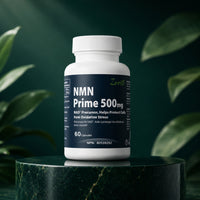
At Zeroo health, we do not rely on generic claims. Every production lot of NMN Prime 500mg undergoes analytical assay testing by an independent, ISO-17025 accredited laboratory[3].
Below is an analytical summary from our active batch testing records:
| Test Parameter | Analytical Method | Specification | Lab Result (Batch #ZH-NMN-2026A) | Status |
| Active Molecule Assay | High-Performance Liquid Chromatography (HPLC) | ≥ 99.0% Pure β-NMN | 99.4% Pure Active Isomer | PASSED |
| Heavy Metals (Lead, Arsenic, Cadmium, Mercury) | Inductively Coupled Plasma Mass Spectrometry (ICP-MS) | USP / Health Canada Safety Limits | < 0.010 ppm (Undetectable/Trace) | PASSED |
| Microbial Contamination (Total Plate, Yeast, Mold) | USP 2021 / USP 2022 Biological Culture | < 100 CFU/g | < 10 CFU/g (Clean) | PASSED |
| Pathogen Screen (E. coli, Salmonella, S. aureus) | PCR / Selective Enrichment Media | Absent in 10g | Absent (Negative) | PASSED |
In addition to third-party testing, NMN Prime 500mg carries an official Natural Product Number (NPN 80139252) issued under Health Canada regulations and is manufactured in a certified Canadian GMP facility in Vancouver, BC[1]. If you are seeking clinically backed NMN supplements, our formulations provide verified molecular stability and maximum biological activity.
Frequently Asked Questions
What is the studied ratio when taking NMN and resveratrol together?
Most longevity researchers and clinical trials evaluate a balanced 1:1 ratio. A commonly studied clinical protocol involves 500 mg of NMN combined with 500 mg of trans-resveratrol daily. Practitioners often suggest starting at a lower entry range (such as 250 mg each) to gauge individual gastrointestinal tolerance before adjusting.
Can you obtain an effective dose of resveratrol from red wine alone?
No. An average glass of red wine provides only 1 to 2 milligrams of resveratrol per liter. To reach the clinically studied daily dose of 500 mg used in longevity trials, you would have to drink hundreds of bottles of wine every single day. High-purity, standardized trans-resveratrol supplements are the only realistic way to achieve therapeutic amounts without the toxic effects of excess alcohol consumption.
Is it beneficial to take TMG (Trimethylglycine) alongside NMN and resveratrol?
Adding TMG to your routine is a common and sensible supportive measure. As your liver processes supplemental NMN, it methylates excess nicotinamide into N-methylnicotinamide so it can be safely excreted in urine, consuming available methyl groups in the process. Taking 500 mg of TMG daily replenishes these methyl donors, supporting healthy liver function and cardiovascular homocysteine balance.
Can I take NMN and resveratrol while practicing intermittent fasting?
Yes, with one small adjustment. NMN contains virtually zero calories and can be taken with plain water during your fasting window without disrupting autophagy or ketosis. However, because trans-resveratrol requires dietary fat for proper absorption, it is best taken with your first meal of the day containing healthy fats (such as eggs, avocado, or yogurt) rather than during the strict fasting window.
How quickly can you expect to notice results from the Sinclair stack?
Short-term benefits—such as improved daytime energy levels, mental sharpness, and faster recovery from physical exercise—are frequently reported within 2 to 4 weeks of consistent daily supplementation. Structural cellular changes—such as enhanced muscle insulin sensitivity, optimized mitochondrial turnover, and improved vascular markers—develop over a longer timeline, typically becoming measurable after 8 to 12 weeks of continuous use.
Scientific References
-
[1] Covarrubias, A. J., Perrone, R., Grozio, A., & Verdin, E. (2021). NAD+ metabolism and its roles in cellular processes during ageing. Nature Reviews Molecular Cell Biology, 22(2), 119–141. PubMed: 33353981
-
[2] Sinclair, D. A., & Guarente, L. (2014). Small-molecule allosteric activators of sirtuins. Annual Review of Pharmacology and Toxicology, 54, 363–380. PubMed: 24016213
-
[3] Yoshino, M., Yoshino, J., Kayser, B. D., Patti, G. J., Franczyk, M. P., Mills, K. F., Sindelar, M., Pietka, T., Patterson, B. W., Imai, S. I., & Klein, S. (2021). Nicotinamide mononucleotide increases muscle insulin sensitivity in prediabetic women. Science, 372(6547), 1224–1229. PubMed: 33888596
-
[4] Irie, J., Inagaki, E., Fujita, M., Nakaya, H., Mitsuishi, M., Yamaguchi, S., Miyashita, K., Yamaguchi, T., Hamabata, T., Takahashi, J., & Imai, S. I. (2020). Effect of oral administration of nicotinamide mononucleotide on clinical parameters and nicotinamide metabolite levels in healthy Japanese men. Endocrine Journal, 67(2), 153–160. PubMed: 31685720
-
[5] Wong, R. X., Berry, N. M., Coates, A. M., Buckley, J. D., & Howe, P. R. (2013). Chronic resveratrol consumption improves brachial flow-mediated dilatation in healthy obese adults. Journal of Hypertension, 31(9), 1819–1827. PubMed: 23812273