
Based on research done by Dr. Marcus Vance, PhD
If you have ever wondered why bouncing back from a late night, an intense workout, or a stressful workweek feels noticeably harder in your late thirties than it did in your early twenties, the answer lies deep inside your mitochondria. Cells depend on a essential coenzyme called nicotinamide adenine dinucleotide (NAD+) to turn nutrients into energy, repair damaged DNA, and keep cellular repair pathways active.
Understanding how NAD+ levels by age change over time offers a clear look into why metabolic stamina shifts as we grow older—and what we can actively do to maintain our vitality.
Quick Answer: How Do NAD+ Levels Change with Age?
Human NAD+ concentrations naturally drop by roughly 50% between young adulthood and age 50, with measurable declines beginning in your early to mid-thirties. This reduction occurs because cells consume more NAD+ for DNA repair while producing less of it. To counteract this decline, research suggests that starting an NMN precursor supplement between ages 30 and 40 provides an optimal window to preserve cellular energy, support metabolic resilience, and maintain repair systems before steeper drops occur.

What Happens to NAD+ as We Age? (The Biological Baseline)
Every single cell in your body relies on NAD+ to function. It acts as an electron shuttle in cellular respiration, enabling your mitochondria to create ATP (adenosine triphosphate), the primary fuel for all biological work. Without sufficient NAD+, cellular energy production stalls.
Beyond energy creation, NAD+ serves as a critical fuel source for two major families of protective enzymes:
-
Sirtuins (SIRT1–SIRT7): Often referred to as "longevity genes," these enzymes regulate circadian rhythms, manage oxidative stress, and balance inflammation. Sirtuins cannot function without direct access to NAD+.
-
PARPs (Poly-ADP-ribose polymerases): These critical enzymes detect and repair everyday DNA strand breaks caused by sun exposure, metabolic waste, and environmental toxins.
During early adulthood, your body maintains a robust balance between synthesis and consumption. NAD+ is recycled rapidly through what biochemists call the "salvage pathway." However, as years pass, this delicate equilibrium begins to shift.
NAD+ Levels by Age: A Decade-by-Decade Breakdown
While exact baseline levels vary among individuals based on genetics, sleep quality, and exercise habits, observational data published by the National Institutes of Health highlights a clear trajectory across human life stages.
NAD+ Concentration Trajectory Across Decades:

In Your 20s: The Peak Years
During your twenties, cellular NAD+ pools sit at their lifetime high. Mitochondria operate efficiently, recovery after physical exertion is rapid, and DNA repair mechanisms easily keep pace with daily cellular wear and tear.
In Your 30s: The Subtle Shift
Many adults ask: when do NAD levels drop? Detailed metabolic tracking reveals that initial measurable drops usually begin in your early to mid-thirties. You might not feel a dramatic crash overnight, but subtle signs appear: workouts take slightly longer to recover from, afternoon energy slumps become more frequent, and skin cells rebuild less rapidly.
In Your 40s: The 50% Threshold
By the time most people reach their mid-forties, tissue concentrations of NAD+ have decreased by roughly 40% to 50% compared to peak levels in their twenties. Comprehensive research in Frontiers in Endocrinology demonstrates that middle-aged adults show marked changes in blood coenzyme ratios, contributing to reduced mitochondrial efficiency and slower metabolic turnarounds.
In Your 50s, 60s, and Beyond
In your fifties and sixties, NAD+ levels can drop to less than 25% to 30% of youthful amounts. This drop coincides with noticeable shifts in systemic resilience, joint comfort, muscle endurance, and cognitive sharpness.

When Do NAD Levels Drop, and Why? (The Core Mechanisms)
The decrease in NAD+ isn't just a passive breakdown; it stems from a dual biological challenge: increased demand matched with decreased production.

1. The CD38 "NAD Consumer" Upregulation
As tissues experience low-grade, age-related inflammation, immune cells produce higher quantities of an enzyme called CD38. CD38 acts as a major consumer of NAD+, breaking down available coenzymes much faster than young cells do.
2. Slower Recycling (NAMPT Decline)
The rate-limiting enzyme in the NAD+ salvage pathway—nicotinamide phosphoribosyltransferase (NAMPT)—naturally diminishes with age. As NAMPT activity wanes, your body struggles to recycle used nicotinamide back into active NAD+.
3. Accumulated DNA Repair Demands
Decades of cumulative oxidative stress mean PARP enzymes are constantly working to repair cellular DNA. Because PARPs consume NAD+ during this repair process, they pull from the same pool your mitochondria need for energy.

What Is the Best Age to Start NMN?
Because direct NAD+ molecules are too large to easily pass through cell membranes when taken orally, targeted supplementation relies on direct precursors like β-nicotinamide mononucleotide (NMN). NMN enters cells through specialized transporters and converts straight into NAD+.
So, what is the ideal age to start NMN supplementation?
-
Ages 18–29 (Maintain & Observe): In your twenties, your internal synthesis pathways operate at full speed. Unless you are dealing with extreme physiological stress or intense endurance demands under medical guidance, exogenous supplementation is usually unnecessary.
-
Ages 30–39 (The Proactive Window): Starting NMN in your thirties offers a proactive strategy. Supplementing during this decade helps preserve optimal cellular pools before major drops occur, supporting stamina, skin integrity, and exercise recovery.
-
Ages 40–49 (The Restorative Phase): This is the most common age group for beginning NMN. Restoring depleted reserves during your nineties or mid-forties directly targets middle-age fatigue, sluggish baseline metabolism, and longer physical recovery times.
-
Ages 50 and Older (Targeted Support): For adults in their fifties and beyond, daily NMN supplementation provides vital biological support to help maintain muscle performance, cognitive clarity, and healthy mitochondrial density.
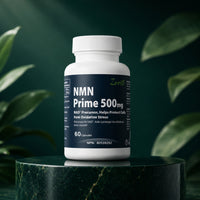
For adults looking for targeted biological support, Zeroo Health NMN supplements 500mg delivers a pure, clinically calibrated daily dose designed to support cellular NAD+ pools efficiently.

Practical Strategies to Preserve and Boost NAD+ Alongside NMN
While NMN supplementation provides direct raw materials, pairing it with supportive lifestyle habits creates a powerful synergistic effect:
-
Incorporate Resistance & Aerobic Exercise: Regular exercise naturally stimulates NAMPT enzyme activity, improving your body's innate ability to recycle NAD+.
-
Support Circadian Rhythms: Consistent sleep and morning sunlight exposure keep key clock genes aligned, regulating the natural daily peaks of NAD+ synthesis.
-
Practice Intermittent Fasting or Caloric Awareness: Brief periods of caloric restriction trigger sirtuin activity and encourage cellular cleaning (autophagy), lessening overall metabolic stress.
-
Minimize Excess Sun Exposure and Toxins: Protecting your skin from overexposure to UV radiation reduces constant PARP enzyme activation, saving valuable cellular NAD+ for energy production.
Frequently Asked Questions (FAQ)
1. How fast do NAD+ levels drop as you age?
Studies show that human NAD+ concentrations peak in young adulthood and drop by approximately 40% to 50% by age 50. By age 80, levels can fall to a fraction of youthful baselines due to increased enzyme consumption and reduced cellular recycling.
2. What are the earliest physical signs that my NAD levels are falling?
Common early signs include noticeable afternoon energy slumps, longer recovery times after exercise, mild brain fog during demanding tasks, and a general feeling that your physical stamina isn't what it used to be in your twenties.
3. Can you test your individual NAD+ levels at home?
Yes, intracellular NAD+ blood tests are now available through specialized laboratory providers via simple finger-prick blood kits. These tests measure baseline whole-blood NAD+ concentrations to help you track changes over time.
4. Is 25 or 30 too early to start taking an NMN supplement?
At age 25, your body naturally produces high amounts of NAD+, making supplementation generally unneeded. However, starting around age 30 to 35 is considered a proactive timeframe, as cellular levels begin their initial drop during this decade.
5. What daily dose of NMN is supported by clinical research?
Human clinical trials commonly evaluate daily doses ranging from 250 mg to 500 mg per day. These amounts have been shown to safely elevate circulating NAD+ metabolites and support muscular and metabolic markers in middle-aged and older adults.
Medical Disclaimer
The information provided in this article is for educational and informational purposes only and is not intended as medical advice. Dietary supplements like NMN are not intended to diagnose, treat, cure, or prevent any disease. Always consult with your physician or a qualified healthcare professional before starting any new supplement regimen, especially if you have pre-existing medical conditions or take prescription medications.