
By: Zeroo Health Research & Editorial Team Last updated: November 1, 2026
Nicotinamide mononucleotide (NMN) is a bioactive nucleotide that serves as a direct cellular precursor to nicotinamide adenine dinucleotide (NAD+), an essential coenzyme required for mitochondrial cellular energy and enzymatic DNA repair. Caffeine is a natural purine alkaloid found in coffee beans that stimulates the central nervous system by blocking adenosine receptors in the brain. When longevity enthusiasts assemble their daily schedules, combining NMN and coffee is frequently the very first decision of the day.
Deciding whether to take these two daily staples together requires understanding how caffeine affects cellular metabolism, how hot liquids impact the fragile chemical structure of nucleotides, and how to sequence your morning for sustained energy without triggering gastrointestinal distress or afternoon fatigue.
Quick Answer
Taking NMN and coffee together is safe for most healthy adults and creates complementary biochemical actions. Caffeine activates cellular AMPK and sirtuins while coffee provides trigonelline, a secondary NAD+ precursor [1]. However, never stir raw NMN into scalding hot coffee; swallow protective capsules with room-temperature water alongside your morning brew to prevent thermal breakdown.
Key Takeaways
-
Complementary Metabolic Pathways: Caffeine stimulates adenosine 5'-monophosphate-activated protein kinase (AMPK) and upregulates SIRT1 activity, working alongside NMN-derived NAD+ to fuel cellular metabolism.
-
The Coffee-Trigonelline Link: Ground coffee naturally contains trigonelline, an alkaloid identified in Nature Metabolism (2024) as an independent dietary NAD+ precursor that supports muscle function during aging [1].
-
Thermal Sensitivity Matters: Nicotinamide mononucleotide degrades into free nicotinamide when exposed to temperatures exceeding 50°C. Dissolving loose powder into hot coffee destroys active NMN, whereas swallowing encapsulated supplements with water keeps the compound intact.
-
Circadian Alignment: The primary enzyme responsible for intracellular NAD+ salvage (NAMPT) peaks in the early morning. Ingesting NMN between 7:00 AM and 9:00 AM aligns with your natural biological clock and prevents the sleep disturbances associated with late-day stimulant use.
Table of Contents
-
About This Evidence Review
-
How Do NMN and Coffee Interact in Your Cells?
-
Does Caffeine Interfere With NMN Absorption or Synergize With It?
-
Does Hot Coffee Degrade NMN Powder and Capsules?
-
What Is the Optimal Morning Routine for NMN and Coffee?
-
Comparison: Taking NMN With Coffee vs. Water Alone
-
Morning NMN and Caffeine Protocol Decision Framework
-
Who Should Be Cautious Pairing NMN With Caffeine?
-
Where to Buy Verified NMN Supplements in Canada
-
Frequently Asked Questions
-
References
About This Evidence Review
This clinical evidence review assesses published research on nicotinamide mononucleotide pharmacokinetics, methylxanthine pharmacology, and cellular energy synthesis. We examine human randomized controlled trials (RCTs), biochemical assays of thermal stability, and observational metabolic studies.
Where biological mechanisms have been verified only in cell cultures or rodent models (such as specific enzymatic transport channels), we clearly identify them as preclinical findings rather than established human outcomes. Nutritional and supplement standards reflect current regulatory monographs authorized by Health Canada under the Natural Health Products Regulations.
How Do NMN and Coffee Interact in Your Cells?
NMN and coffee do not cancel each other out; instead, they operate through distinct, complementary cellular energy pathways. NMN replenishes the intracellular NAD+ pool required for mitochondrial ATP synthesis, while caffeine increases cyclic adenosine monophosphate (cAMP) and triggers downstream metabolic signaling that encourages cells to consume available energy more efficiently.
To understand how these compounds interact, look at the difference between cellular fuel and neurological stimulation. Caffeine does not create physical cellular energy. By temporarily blocking adenosine A1 and A2A receptors in neural tissue, caffeine prevents the brain from detecting the accumulation of cellular fatigue markers. Caffeine also inhibits phosphodiesterase enzymes, which elevates intracellular cyclic AMP (cAMP) and activates AMPK (adenosine 5'-monophosphate-activated protein kinase). AMPK functions as the primary energy sensor within mammalian cells, signaling tissues to burn fatty acids and clear metabolic debris.
Nicotinamide mononucleotide operates through the biochemical salvage pathway. Once absorbed into circulation, NMN enters cells and is converted into nicotinamide adenine dinucleotide (NAD+) by the enzyme nicotinamide mononucleotide adenylyltransferase (NMNAT). NAD+ serves as a non-negotiable cofactor in cellular respiration, shuttling electrons between glycolysis, the Krebs cycle, and the mitochondrial electron transport chain to generate adenosine triphosphate (ATP).
When you drink coffee alongside an NMN supplement, caffeine prompts your cells to spend energy and clear metabolic waste, while NMN ensures your mitochondria maintain the molecular currency (NAD+) required to meet that metabolic demand. Moreover, caffeine has been observed in laboratory models to upregulate NMNAT2, an enzyme central to converting endogenous NMN into active NAD+. While this enzymatic upregulation requires further validation in broad human trials, it demonstrates that caffeine does not block or impair NMN utilization at the cellular level.
Beyond caffeine, brewed coffee delivers complex bioactive compounds that directly touch longevity pathways. In a landmark multi-center study published in Nature Metabolism [1], researchers discovered that trigonelline—a natural alkaloid present in high concentrations in roasted coffee beans—functions as an independent dietary NAD+ precursor. The authors reported that trigonelline elevated cellular NAD+ pools, enhanced mitochondrial respiration, and correlated with improved muscle strength in aging human cohorts [1].
Drinking coffee therefore provides dietary precursors alongside your targeted precursor supplement. When structuring a comprehensive anti-aging regimen, comparing single molecules to dietary compounds helps establish realistic expectations, as explored in our guide to the best longevity supplements.
Does Caffeine Interfere With NMN Absorption or Synergize With It?
Caffeine does not inhibit the gastrointestinal absorption of NMN. Clinical trials confirm that oral NMN rapidly crosses the intestinal epithelium via specialized transporters, while caffeine is absorbed independently through passive diffusion in the stomach and small intestine. The two compounds enter the bloodstream simultaneously without competing for cellular uptake.

Concerns regarding an adverse NMN caffeine interaction typically stem from confusion surrounding intestinal transport mechanisms. In mammals, oral NMN passes through the stomach into the proximal small intestine. Research led by Grozio et al. [2] identified Slc12a8 as a dedicated, sodium-dependent transporter facilitating rapid NMN uptake directly into enterocytes, although secondary pathways involving dephosphorylation to nicotinamide riboside (NR) via CD73 also contribute to systemic uptake.
Caffeine, meanwhile, is completely absorbed within 45 minutes of consumption through passive diffusion across the gastric and intestinal mucosa. Because caffeine relies on passive diffusion rather than active nucleotide transport channels, caffeine molecules do not physically saturate or block the transporters responsible for NMN absorption.
Instead of interference, the biological data point toward functional synergy between NAD+ precursors and methylxanthines:
-
Sirtuin Enzymatic Activation: Sirtuins (specifically SIRT1 and SIRT3) are NAD+-dependent deacetylases that govern DNA repair, mitochondrial biogenesis, and inflammatory regulation. Sirtuins require adequate NAD+ concentrations to function. Caffeine consumption independently upregulates SIRT1 expression through the cAMP-PKA-PRMT1 signaling axis. Pairing elevated substrate availability (NAD+ from NMN) with increased enzymatic expression (SIRT1 from caffeine) creates an aligned biological state.
-
Methylation Demand Management: When your body metabolizes high doses of NMN, the liver clears excess nicotinamide by methylating it into N-methylnicotinamide using S-adenosylmethionine (SAMe). Caffeine also undergoes hepatic metabolism, predominantly via the cytochrome P450 1A2 (CYP1A2) pathway. Because CYP1A2 relies on phase I oxidation rather than direct methyl-group consumption, standard coffee consumption does not deplete the methyl pool required for NMN processing.
Human trials examining oral NMN efficacy consistently show reliable systemic absorption regardless of whether participants maintain habitual morning coffee routines. In a double-blind, placebo-controlled trial published in GeroScience, Yi et al. (2023) [3] administered daily oral doses of 300 mg, 600 mg, and 900 mg of NMN to 80 healthy middle-aged adults over 60 days. Blood NAD+ concentrations doubled to tripled across all active cohorts, accompanied by statistically significant improvements in six-minute walking distances and physical endurance, without requiring restrictions on dietary caffeine [3].
To understand how baseline dosing influences these metabolic outcomes, review our clinical analysis on whether is 500mg NMN enough for daily longevity support.
Does Hot Coffee Degrade NMN Powder and Capsules?
Hot coffee degrades loose NMN powder rapidly because heat and moisture break the compound's delicate glycosidic bond through chemical hydrolysis. Pouring unflavored NMN powder into liquids hotter than 50°C converts the active molecule into regular nicotinamide, eliminating its anti-aging benefits. Swallowing intact capsules with water completely circumvents this thermal risk.

The molecular architecture of beta-nicotinamide mononucleotide consists of a nicotinamide base linked to a ribose ring and a 5'-phosphate group. While dry NMN crystalline powder remains stable at controlled room temperature, its glycosidic bond becomes chemically labile when submerged in warm, acidic, aqueous solutions. Typical drip coffee or espresso is brewed between 85°C and 93°C and rests in a mug between 65°C and 75°C. Submerging raw NMN powder into coffee at these temperatures accelerates thermal degradation.
When NMN hydrolyzes in hot liquid, it decomposes into two primary byproducts: free nicotinamide (vitamin B3) and ribose-5-phosphate. This degradation alters the therapeutic profile of your morning routine:
-
Loss of Targeted Bioavailability: Free nicotinamide utilizes different cellular transport mechanisms than intact NMN and does not stimulate identical NAD+ synthesis kinetics.
-
Sirtuin Inhibition: While small concentrations of nicotinamide serve as an NAD+ precursor via the Preiss-Handler salvage loop, high bolus doses of free nicotinamide act as an end-product feedback inhibitor of sirtuins and PARP1 DNA-repair enzymes. By dissolving loose powder in boiling coffee, you inadvertently create a solution that suppresses the longevity pathways you intended to activate.
Capsules provide a physical barrier against liquid contact and thermal shock. Modern longevity supplements use vegetarian hypromellose (HPMC) or delayed-release polymers designed to resist moisture and gastric acid, dissolving only after reaching the alkaline environment of the duodenum.
Swallowing an encapsulated supplement with a glass of cool or room-temperature water ensures that the active NMN reaches your digestive tract intact, regardless of whether you sip hot coffee five minutes later. If you are weighing the practical differences between delivery formats, explore our detailed breakdown of NMN powder vs capsules.
What Is the Optimal Morning Routine for NMN and Coffee?
The optimal morning routine for NMN and coffee begins with a glass of room-temperature water and your daily NMN capsule upon waking, followed by coffee 30 to 60 minutes later. This spacing protects the supplement from digestive heat, allows natural cortisol levels to peak uninhibited, and aligns with your body's circadian rhythm of NAD+ biosynthesis.

Structuring your morning routine NMN and caffeine habits around circadian biology maximizes alertness and cellular recovery:
Phase 1: Waking Hydration and NMN Ingestion (7:00 AM – 7:30 AM)
During overnight sleep, metabolic respiration causes mild dehydration, which elevates blood viscosity and slows cellular transport. Begin your day by drinking 300 to 500 mL of filtered, room-temperature water. Take your daily dose of NMN (typically 500 mg) at this time.
Mammalian NAD+ biosynthesis exhibits natural circadian rhythmicity. The rate-limiting enzyme in NAD+ salvage, NAMPT, is transcriptionally regulated by the core circadian clock machinery (CLOCK-BMAL1 complexes) and reaches peak expression during the early morning hours. Ingesting your precursor during this natural window provides enzymatic substrate when your cells are primed to synthesize NAD+.
Phase 2: Allowing the Cortisol Awakening Response (7:30 AM – 8:30 AM)
Resist the urge to drink coffee within the first ten minutes of waking. In healthy individuals, the hypothalamic-pituitary-adrenal (HPA) axis generates a natural surge of cortisol known as the Cortisol Awakening Response (CAR), which peaks roughly 30 to 45 minutes after waking to promote alertness.
Consuming high doses of caffeine during this peak can elevate feelings of anxiety, accelerate caffeine tolerance, and disrupt natural adrenal signaling. Delaying your first cup of coffee for 45 to 60 minutes allows your endogenous hormonal wake-up sequence to proceed unimpeded.
Phase 3: Morning Coffee and Optional Polyphenol Pairing (8:30 AM – 9:00 AM)
Once your cortisol curve stabilizes, enjoy your morning coffee. By this point, encapsulated NMN has cleared the stomach and entered the small intestine for systemic absorption. If your longevity protocol includes fat-soluble sirtuin-activating compounds (STACs) such as trans-resveratrol or pterostilbene, pair your coffee with a light breakfast containing healthy fats, such as whole Greek yogurt, eggs, or avocado. Clinical pharmacology confirms that polyphenols require dietary lipids for adequate intestinal absorption, whereas pure NMN is water-soluble and absorbs smoothly in either a fasted or fed state.
Comparison: Taking NMN With Coffee vs. Water Alone
The table below summarizes the biochemical and practical differences between common methods of taking NMN alongside morning beverages, based on published literature and pharmacokinetics.
| Comparison Metric | Encapsulated NMN With Water + Coffee Beside It | Encapsulated NMN Swallowed Directly With Hot Coffee | Loose NMN Powder Stirred Into Hot Coffee | Sublingual NMN Powder Followed by Coffee | Evidence Level & Scientific Source |
| Primary Uptake Route | Intestinal enterocytes via Slc12a8 / CD73 pathways | Intestinal enterocytes | Intestinal enterocytes (degraded byproducts) | Sublingual oral capillary bed | Yoshino et al. (2021) [4]; Grozio et al. (2019) [2] |
| Risk of Heat Hydrolysis | None: Compound stays cool and protected in capsule | Low to Moderate: Capsule shell insulates powder briefly | High: Rapid cleavage into nicotinamide and ribose | Low: Absorbed locally before liquid wash | Documented nucleotide chemical kinetics |
| Impact on Sirtuin Activity | Positive: Elevated NAD+ fuels SIRT1 and SIRT3 | Positive: Intact NMN supports sirtuin function | Potentially Negative: Free nicotinamide acts as sirtuin inhibitor | Positive: Direct uptake without degradation | Membrez et al. (2024) [1]; Sinclair & Guarente (2014) |
| Gastrointestinal Comfort | High: Gentle on gastric lining; buffered by water | Moderate: Hot liquid may speed capsule breakdown in stomach | Low: Acidic coffee plus acidic powder irritates gastric mucosa | Moderate: Slight sour taste under tongue | Clinical observational reports |
| Practical Simplicity | High: Pre-measured capsule; seamless daily habit | High: Fast ingestion; single beverage step | Low: Requires digital milligram scale and rapid drinking | Moderate: Requires holding under tongue for 60–90 seconds | Human behavioral compliance studies |
Morning NMN and Caffeine Protocol Decision Framework
To tailor your morning routine to your individual digestive sensitivity and schedule, evaluate which of these two clinical pathways best matches your physiology:
Pathway A: For Individuals With High Caffeine Sensitivity or Acid Reflux
-
Waking baseline: Drink 400 mL of room-temperature filtered water.
-
Supplement timing: Take your 500 mg encapsulated NMN with water.
-
Digestive buffering: Wait 60 minutes and eat a light meal containing dietary lipids, such as whole Greek yogurt, eggs, or oatmeal with chia seeds.
-
Beverage choice: Enjoy a single cup of low-acid or Swiss-water decaffeinated coffee after your meal.
Pathway B: For Individuals With Standard Caffeine Tolerance
-
Waking baseline: Drink 400 mL of room-temperature filtered water and take your 500 mg NMN capsule immediately upon waking.
-
Hormonal window: Wait 45 to 60 minutes to let your endogenous Cortisol Awakening Response peak naturally without stimulant interference.
-
Coffee timing: Enjoy 1 to 2 cups of freshly brewed coffee, optionally accompanied by polyphenols such as trans-resveratrol.
-
Sustained focus: Monitor your alertness through early afternoon; avoid taking second doses of caffeine after 1:00 PM to prevent interference with nocturnal sirtuin repair cycles.
Protocol Steps Explained
-
Hydration Baseline: Never take morning supplements into an unhydrated stomach. Rehydrating upon waking protects the esophageal and gastric lining from irritation, especially before introducing acidic beverages like coffee.
-
Method of Administration: Always swallow your NMN capsule with water. Even if you plan to drink coffee immediately, using cool or lukewarm water to swallow your capsules prevents thermal degradation of the outer capsule shell while it travels through the esophagus.
-
Managing Energy Crashes: If you notice mid-afternoon energy slumps, avoid compensating with additional caffeine after 1:00 PM. NMN supports basal mitochondrial ATP production over weeks of consistent use, whereas caffeine masks sleep debt. Prioritize seven to eight hours of restorative sleep to allow sirtuin-mediated DNA repair pathways to run uninterrupted overnight.
Who Should Be Cautious Pairing NMN With Caffeine?
While healthy adults tolerate NMN and moderate caffeine well, specific clinical populations must exercise caution. Individuals with cardiovascular arrhythmias, uncontrolled hypertension, generalized anxiety disorders, or severe gastroesophageal reflux disease (GERD) should consult a licensed healthcare practitioner before combining dietary stimulants with metabolic precursors.
Although safety evaluations confirm that oral NMN is well-tolerated at daily doses up to 1,200 mg [5], combining metabolic enhancers with caffeine introduces specific physiological interactions:
-
Cardiovascular and Autonomic Sensitivity: Caffeine stimulates the release of epinephrine and norepinephrine, which elevates heart rate and transiently increases systemic blood pressure. Although NMN has been shown in clinical trials to support vascular endothelial health and arterial flexibility, individuals taking prescription antihypertensive medications or those prone to palpitations should monitor their blood pressure closely when introducing new longevity compounds alongside morning stimulants.
-
Severe Acid Reflux and GERD: Roasted coffee stimulates gastric acid secretion via the release of gastrin, which can relax the lower esophageal sphincter. Taking raw, unencapsulated supplement powders into an acidic stomach can worsen heartburn and epigastric discomfort. Utilizing delayed-release capsules prevents the active ingredients from dissolving in the stomach, directing release into the small intestine instead.
-
Pregnancy and Breastfeeding: Preclinical and human clinical safety trials for nicotinamide mononucleotide have not evaluated pregnant or lactating individuals. Health Canada monographs mandate that women who are pregnant or nursing refrain from NMN supplementation.
-
Oncology Considerations: Cancer cells rely heavily on glycolysis and upregulate NAD+ synthesis to fuel accelerated cellular proliferation. While NAD+ precursors support healthy cellular maintenance, individuals undergoing active oncological treatments or those with a personal history of malignancy must avoid NAD+ precursors unless explicitly approved by their supervising oncologist.
Where to Buy Verified NMN Supplements in Canada
When purchasing longevity supplements in Canada, consumers should look for products that carry an active eight-digit Natural Product Number (NPN) issued by Health Canada. An NPN confirms that Health Canada has reviewed the formulation for safety, certified Good Manufacturing Practices (cGMP), and verified medicinal ingredient identity, protecting consumers against adulterated, sub-potent, or counterfeit products.
The global dietary supplement market faces documented quality control issues. In a peer-reviewed market analysis published in GeroScience, Sandalova et al. (2024) [6] tested 15 commercial NMN brands and found that active ingredient content ranged from 0% to 104.5% of the label claim. More than 20% of tested products contained virtually no detectable NMN, illustrating the risks of purchasing from unverified international marketplaces [6].
To ensure you receive authentic, shelf-stable beta-nicotinamide mononucleotide, verify three manufacturing standards:
-
Active Health Canada Licensing: Check that the physical bottle displays an official Natural Product Number (for example, NPN 80139252). You can verify active licenses directly through the Health Canada Licensed Natural Health Products Database [7].
-
Third-Party Canadian Lab Testing: Insist on lot-specific Certificates of Analysis (CoA) from ISO-accredited testing facilities confirming purity levels of 99% or higher, along with heavy metal and microbiological clearance.
-
Delayed-Release Vegetable Encapsulation: Moisture-resistant, acid-resistant capsule shells protect the crystalline compound from humidity, kitchen warmth, and gastric acid, preserving potency until the supplement reaches the small intestine.
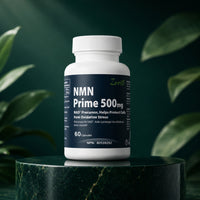
For Canadians looking for a compliant, independently verified product manufactured under audited cGMP standards, consider NMN supplements Canada formulated by Zeroo Health. NMN Prime 500mg provides a pure, stabilized single-ingredient capsule (Health Canada NPN 80139252) designed to integrate cleanly into your morning hydration routine without countertop mess or thermal degradation.
Frequently Asked Questions
Can I mix NMN powder into my morning coffee?
No, you should not mix loose NMN powder into hot coffee. Nicotinamide mononucleotide is thermally sensitive and breaks down into free nicotinamide and ribose-5-phosphate when exposed to temperatures above 50°C. High amounts of free nicotinamide can inhibit sirtuin longevity enzymes, neutralizing the cellular benefits of the supplement.
Does caffeine block the absorption of NMN?
No, caffeine does not block NMN absorption. NMN is absorbed through specialized intestinal transporters like Slc12a8 and CD73-mediated pathways, while caffeine is absorbed independently through passive diffusion across the stomach and intestine [2]. The two compounds enter circulation simultaneously without competing for cellular uptake.
What is the best time of day to take NMN and coffee?
The best time to take NMN and coffee is in the morning between 7:00 AM and 9:00 AM. Cellular NAD+ biosynthesis follows a natural 24-hour circadian rhythm governed by the NAMPT enzyme, which peaks early in the day. Taking NMN in the morning supports natural cellular energy demands without disrupting evening sleep.
Can taking NMN with coffee cause jitters or heart palpitations?
Taking NMN with coffee can occasionally produce mild jitters in individuals who are sensitive to stimulants. While NMN provides non-stimulatory cellular energy by generating mitochondrial ATP, combining elevated cellular metabolism with caffeine's central nervous system stimulation can feel intense for some. If you feel overstimulated, lower your coffee intake.
Should I take NMN before or after drinking coffee?
You should take your NMN capsule first thing in the morning with a glass of room-temperature water, then enjoy your coffee 30 to 60 minutes later. This spacing protects the capsule from hot liquids, allows your body's natural cortisol levels to rise without interference, and ensures smooth digestive absorption.
Does coffee contain natural NAD+ precursors?
Yes, roasted coffee naturally contains trigonelline, a plant alkaloid structurally related to vitamin B3. Research published in Nature Metabolism in 2024 confirmed that trigonelline acts as an effective dietary NAD+ precursor in mammals, elevating cellular NAD+ levels and supporting muscle function during aging [1].
Commercial Conflict of Interest Disclosure: Zeroo Health formulates and distributes natural health products in Canada, including encapsulated beta-nicotinamide mononucleotide (NMN Prime 500mg, licensed under Health Canada NPN 80139252). Zeroo Health does not formulate, roast, or distribute coffee, caffeinated beverages, bulk unflavored powders, or central nervous system stimulants. To preserve editorial independence and scientific integrity, all biochemical pathways, clinical trials, and regulatory standards cited in this guide are derived from peer-reviewed journals and official government databases.
References
-
Membrez, M., Migliavacca, E., Christoffel, V., et al. (2024). Trigonelline is an NAD+ precursor that improves muscle function during ageing and is reduced in human sarcopenia. Nature Metabolism, 6(3), 433–447. https://doi.org/10.1038/s42255-024-00997-x
-
Grozio, A., Mills, K. F., Yoshino, J., et al. (2019). Slc12a8 is a nicotinamide mononucleotide transporter. Nature Metabolism, 1(1), 47–57. https://doi.org/10.1038/s42255-018-0009-4
-
Yi, L., Maier, A. B., Tao, R., et al. (2023). The efficacy and safety of β-nicotinamide mononucleotide (NMN) supplementation in healthy middle-aged adults: a randomized, multicenter, double-blind, placebo-controlled, parallel-group, dose-dependent clinical trial. GeroScience, 45(1), 29–43. https://doi.org/10.1007/s11357-022-00705-1
-
Yoshino, M., Yoshino, J., Kayser, B. D., et al. (2021). Nicotinamide mononucleotide increases muscle insulin sensitivity in prediabetic women. Science, 372(6547), 1224–1229. https://doi.org/10.1126/science.abe9985
-
Okabe, K., Yaku, K., Uchida, Y., et al. (2022). Oral administration of nicotinamide mononucleotide is safe and efficiently increases blood nicotinamide adenine dinucleotide levels in healthy subjects. Frontiers in Nutrition, 9, 868640. https://doi.org/10.3389/fnut.2022.868640
-
Sandalova, E., Lim, Z. X., Wang, Y., & Maier, A. B. (2024). Testing the amount of nicotinamide mononucleotide and urolithin A as compared to the label claim. GeroScience, 46(5), 5075–5083. https://doi.org/10.1007/s11357-024-01257-2
-
Health Canada. (2026). Licensed Natural Health Products Database (LNHPD). Government of Canada. https://health-products.canada.ca/lnhpd-bdpsnh/