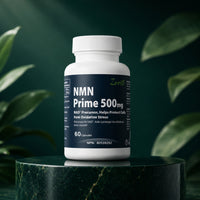

Byline: Zeroo Health Research Center
Review Status: Scientifically prepared by the Zeroo Health Research Center editorial team
Last Updated: October 2, 2026
Disclosure: Zeroo Health manufactures and sells NMN Prime 500mg, an encapsulated dietary supplement licensed in Canada under Health Canada Natural Product Number (NPN) 80139252. We do not sell pharmaceutical medications, intravenous NAD+ therapies, or bulk unencapsulated chemical powders. This article reviews published biomedical literature for educational purposes; it does not promote off-label disease treatments, nor should it replace personalized medical advice from a cardiologist or licensed physician.
Vascular aging remains one of the quietest yet most decisive processes dictating human healthspan. Nicotinamide mononucleotide (NMN) is an orally bioavailable nucleotide precursor that human cells convert directly into nicotinamide adenine dinucleotide (NAD+). NAD+ is a fundamental cellular coenzyme required by mitochondria to generate adenosine triphosphate (ATP) and by regulatory enzymes to maintain genomic stability. Endothelial function refers to the capacity of the inner cellular lining of blood vessels to synthesize nitric oxide, regulate vascular tone, and control blood flow. Research into NMN heart health focuses on whether replenishing declining cellular NAD+ pools can restore vascular elasticity, support endothelial repair pathways, and maintain myocardial energy production as the cardiovascular system ages.
Quick Answer
Current clinical and preclinical evidence suggests that NMN heart health benefits center on arterial flexibility, endothelial nitric oxide signaling, and mitochondrial energy in cardiac muscle. While animal trials demonstrate reversed vascular aging, a 12-week human trial showed modest, statistically significant reductions in arterial stiffness primarily among adults with higher metabolic risks.
Key Takeaways
-
Cellular Mechanism: Cellular NAD+ declines by approximately 50 percent between early adulthood and middle age, diminishing the activity of SIRT1 enzymes that protect blood vessel linings from oxidative stress.
-
Human Clinical Findings: In a 12-week double-blind randomized controlled trial, oral NMN (250 mg daily) reduced brachial-ankle pulse wave velocity in middle-aged adults, with statistically significant improvements concentrated in individuals with elevated body mass index and blood sugar.
-
Preclinical Vascular Reversal: Rodent studies demonstrate that oral NMN restores endothelium-dependent dilation, normalizes excess vascular superoxide, and stimulates capillary formation.
-
Lifestyle Still Leads: Structured cardiovascular exercise and a Mediterranean-style dietary pattern remain far more clinically proven for blood pressure reduction and cardiac event risk than any single longevity supplement.
-
Canadian Regulation: In Canada, NMN is regulated by Health Canada as a Natural Health Product, requiring an 8-digit NPN to verify manufacturing compliance and ingredient identity.
Table of Contents
-
How Does NMN Support Cardiovascular Function and Blood Vessels?
-
What Does Human Clinical Research Show About NMN and Arterial Stiffness?
-
How Does Endothelial Function Decline with Age, and Can NMN Intervene?
-
How Does NMN Compare to Other Vascular and Longevity Compounds?
-
When Do Lifestyle Interventions or Alternative Formats Outperform NMN?
-
Cardiovascular Visual Asset Specification
-
Cardiovascular Safety, Medication Interactions, and Health Canada Guidelines
-
How to Evaluate Quality NMN Supplements in Canada
-
Frequently Asked Questions About NMN and Heart Health
-
References
About This Evidence Review
This guide reviews published peer-reviewed human randomized controlled trials, preclinical mammalian investigations, and regulatory documents from Health Canada and the U.S. Food and Drug Administration. Preclinical rodent studies provide critical mechanistic explanations but cannot establish human therapeutic efficacy on their own. Where human data is preliminary, conflicting, or sponsored by commercial supplement manufacturers, that context is explicitly noted. This review does not make claims of disease cure, prevention, or treatment.
How Does NMN Support Cardiovascular Function and Blood Vessels?
Oral NMN elevates systemic NAD+ pools, which fuels sirtuin-1 (SIRT1) deacetylase enzymes and preserves mitochondrial energy production inside high-demand heart muscle cells. In vascular tissue, this biochemical process stimulates endothelial nitric oxide synthase (eNOS), reducing oxidative stress and promoting relaxed arterial walls to assist normal systemic blood flow throughout the circulatory network.

The cardiovascular system demands immense, continuous metabolic energy. The human heart beats roughly 100,000 times each day, consuming more ATP per gram of tissue than any other organ. Cardiomyocytes rely heavily on healthy mitochondria to generate this cellular energy through oxidative phosphorylation. When intracellular NAD+ concentrations drop due to chronological aging, chronic low-grade inflammation, or metabolic strain, the heart’s metabolic flexibility declines.
The vascular endothelium forms a single layer of specialized cells lining every artery, vein, and capillary. These endothelial cells are not a passive barrier. Endothelial cells continuously synthesize nitric oxide (NO), a short-lived signaling molecule that instructs surrounding vascular smooth muscle cells to dilate. When NAD+ is abundant, it acts as a required co-substrate for the enzyme SIRT1. SIRT1 deacetylates endothelial nitric oxide synthase, keeping the enzyme active and coupled.
When cellular NAD+ is depleted, SIRT1 activity falters. Uncoupled eNOS begins generating damaging superoxide radicals instead of beneficial nitric oxide, accelerating vascular stiffness. By supplying the direct building block for NAD+ synthesis through the biochemical salvage pathway, NMN provides endothelial cells with the raw substrate required to maintain mitochondrial respiration and protect enzymatic nitric oxide generation. Readers exploring cellular biology can learn more in our detailed analysis of the differences between oral NMN and direct NAD+ supplements.
What Does Human Clinical Research Show About NMN and Arterial Stiffness?
Human clinical research demonstrates that oral NMN is well-tolerated and promotes measurable changes in vascular elasticity biomarkers, particularly in individuals with higher baseline cardiovascular risk. While broad trials show modest reductions in pulse wave velocity across healthy cohorts, statistically significant arterial benefits appear primarily among adults with higher body mass index or elevated blood glucose.

Much of the popular excitement surrounding NMN originated in rodent models. In a benchmark study published in Aging Cell, de Picciotto and colleagues administered oral NMN to aged mice for eight weeks. The researchers observed a complete reversal of age-associated arterial stiffness: aortic pulse wave velocity dropped from 464 cm/s in untreated aged mice to 359 cm/s in NMN-treated mice, matching young controls. Furthermore, carotid artery endothelium-dependent dilation was restored from 60 percent back to 84 percent.
Moving from mice to humans requires careful appraisal of study designs and sample sizes. The premier human trial evaluating arterial metrics was conducted by Katayoshi and colleagues in Japan, published in Scientific Reports.
The Katayoshi Clinical Trial Breakdown
-
Cohort: 36 healthy middle-aged men and women (aged 40 to 65).
-
Design: 12-week randomized, double-blind, placebo-controlled, parallel-group trial.
-
Intervention: Oral NMN at 250 mg daily (administered as 125 mg twice daily) versus an identical starch placebo.
-
Measurements: Serum NAD+ metabolites and arterial stiffness measured via brachial-ankle pulse wave velocity (baPWV).
-
Overall Cohort Outcome: In the whole cohort, baPWV tended to decrease in the NMN group (-25.1 cm/s) compared to an increase in the placebo group (+6.4 cm/s), but the overall between-group difference did not achieve statistical significance.
-
Subgroup Analysis: Among participants with higher baseline cardiovascular risk factors (above-average BMI or elevated blood glucose), NMN produced statistically significant reductions in arterial stiffness. According to clinical vascular age models developed by Tomiyama and colleagues, this change corresponded to an estimated two-year reduction in vascular biological age.
-
Funding & Sponsorship Transparency: The trial was funded and conducted by researchers affiliated with DHC Corporation Laboratories in Chiba, Japan, a commercial manufacturer of health supplements and skincare products. Independent replication in larger, non-commercial populations remains necessary.
A broader meta-analysis published in Nutrients reviewed blood pressure outcomes across multiple human NMN trials. The authors concluded that while oral NMN supplementation is consistently safe up to 1,200 mg daily, its direct effect on resting systolic and diastolic blood pressure is modest and heterogeneous, demonstrating that NMN functions as a metabolic cellular support rather than a standalone antihypertensive medication.
How Does Endothelial Function Decline with Age, and Can NMN Intervene?
Endothelial function deteriorates with age as chronic oxidative stress uncouples nitric oxide production, degrades the endothelial glycocalyx, and depletes cellular NAD+ reserves. NMN replenishes the intracellular NAD+ necessary to fuel cellular repair enzymes, dampening reactive oxygen species and preserving the capillary architecture required for microvascular tissue perfusion.

Arterial stiffness and endothelial dysfunction are not identical, though they are tightly linked. Endothelial dysfunction represents an early, functional impairment where cells lose the ability to stimulate vasodilation on demand. In contrast, arterial stiffness involves structural remodeling within the blood vessel wall, characterized by the breakdown of elastin fibers and an over-accumulation of rigid collagen-I.
In a landmark paper published in Cell, Das and colleagues demonstrated that an impairment in an endothelial NAD+-dependent signaling network drives microvascular decay. In aging mice, capillary density drops dramatically, leading to muscle fatigue and reduced stamina. When the researchers administered NMN in drinking water, the compound restored endothelial SIRT1 signaling, revived capillary density, and increased exercise endurance by up to 80 percent in aged animals.
Further basic research on human umbilical vein endothelial cells (HUVECs) exposed to severe oxidative stress shows that hydrogen peroxide induces an immediate collapse of the actin cytoskeleton alongside rapid intracellular NAD+ depletion. When cells were pretreated with NMN, baseline NAD+ levels were preserved, maintaining the structural barrier integrity of the endothelial cell layer.
This microvascular protection appears especially relevant in delicate vascular beds, such as the brain and heart. Research published in GeroScience by Kiss and colleagues demonstrated that restoring endothelial NAD+ with NMN rescued cerebromicrovascular endothelial function and repaired neurovascular coupling in aged animal models. While these laboratory results are biologically compelling, human trials directly evaluating coronary microcirculation remain in early development.
How Does NMN Compare to Other Vascular and Longevity Compounds?
NMN operates as a direct intermediate in the NAD+ salvage pathway, bypassing rate-limiting enzymatic steps that affect standard vitamin B3 forms. Compared to alternatives like nicotinamide riboside (NR) or polyphenols like resveratrol, NMN features specific cellular transporters that facilitate rapid systemic uptake without inducing facial flushing or vascular skin irritation.

When consumers investigate vascular health supplements, they frequently compare NMN against other longevity molecules. Each compound functions through distinct biochemical pathways, carries different clinical backing, and falls under different regulatory requirements in Canada.
Comparative Vascular Matrix
| Compound | Primary Biological Mechanism | Arterial Stiffness Evidence Level | Regulatory Status in Canada | Practical Considerations |
| NMN (Nicotinamide Mononucleotide) | Direct precursor to NAD+; upregulates endothelial SIRT1 and eNOS activity. | Moderate (Human RCTs): Subgroup reductions in baPWV; extensive rodent vascular reversal. | Approved Natural Health Product (Requires Health Canada NPN). | Rapid cellular uptake; does not induce skin flushing; best taken in the morning. |
| NR (Nicotinamide Riboside) | Nucleoside NAD+ precursor; phosphorylated by NRK enzymes into NMN inside cells. | Moderate (Human RCTs): 1,000 mg/day for 6 weeks reduced systolic blood pressure and aortic stiffness in older adults. | Approved Natural Health Product (Requires Health Canada NPN). | Requires conversion via NRK pathways; well-tolerated in clinical studies. |
| Niacin (Nicotinic Acid) | Classical Vitamin B3; binds GPR109A receptors; raises NAD+ via Preiss-Handler pathway. | High (Human Clinical Trials): Modulates HDL/LDL lipids; reduces vascular events in un-statinized cohorts. | Standard dietary supplement and prescription drug depending on dose. | Commonly triggers uncomfortable prostaglandin-mediated cutaneous flushing. |
| Trans-Resveratrol | Botanical polyphenol; allosteric activator of SIRT1; antioxidant scavenger. | Mixed (Human Clinical Trials): Modest improvements in flow-mediated dilation; limited systemic bioavailability. | Approved Natural Health Product (Requires Health Canada NPN). | Rapidly metabolized in gut; often paired synergistically with NAD+ precursors. |
Consumers combining longevity compounds often evaluate methyl-donor balance. When high-dose NMN is metabolized, cells consume methyl groups to clear nicotinamide byproducts, which is why many individuals review how TMG supports cellular methylation alongside daily precursors.
When Do Lifestyle Interventions or Alternative Formats Outperform NMN?
Structured cardiovascular training, regular sleep, and plant-rich nutritional patterns produce far larger, more consistently replicated improvements in endothelial elasticity than any dietary supplement. While NMN provides molecular building blocks, it cannot replace the hemodynamic shear stress generated by physical exercise, which directly stimulates vessel adaptation.

No dietary supplement operates as an alternative to foundational cardiovascular habits. If an individual must choose where to invest effort and financial resources, the scientific consensus strongly favors lifestyle foundations.
1. Zone 2 Aerobic Conditioning
Sustained moderate-intensity aerobic exercise forces blood through the arterial tree, generating sustained laminar shear stress against endothelial cells. This mechanical force triggers the phosphorylation of endothelial nitric oxide synthase independently of oral supplements. Clinical studies consistently show that 150 minutes of weekly aerobic exercise lowers resting blood pressure by 5 to 8 mmHg and significantly decreases pulse wave velocity.
2. Mediterranean and Whole-Food Nutrition
Large prospective cohort trials and clinical reviews demonstrate that adherence to the traditional Mediterranean diet reduces cardiovascular mortality by up to 27 percent. Dietary nitrates from leafy greens and beets feed the secondary nitrate-nitrite-nitric oxide pathway, maintaining vascular dilation even when endogenous endothelial enzyme activity is impaired.
3. Circadian Sleep Regularity
Chronic sleep fragmentation elevates sympathetic nervous tone, accelerates vascular smooth muscle calcification, and exhausts endothelial repair progenitor cells. While cellular NAD+ naturally fluctuates according to circadian rhythms, seven to eight hours of consistent nocturnal rest is irreplaceable for nighttime blood pressure dipping and vascular repair.
Cardiovascular Visual Asset Specification
Graphic Overview: The NAD+ Vascular Rescue Cascade
Sequence A: Age-Associated Endothelial Decline
-
Primary Trigger: Chronological aging, metabolic syndrome, and systemic low-grade inflammation deplete intracellular NAD+ pools within vascular tissue.
-
Secondary Breakdown: Sirtuin-1 (SIRT1) enzyme activity drops, leading to mitochondrial electron transport leakage and the uncoupling of endothelial nitric oxide synthase (eNOS).
-
Vascular Damage: Damaged endothelial cells generate reactive superoxide radicals instead of protective nitric oxide, damaging the endothelial glycocalyx.
-
Clinical Result: Structural arterial remodeling occurs, measurable on diagnostic equipment as increased pulse wave velocity and vascular stiffness.
Sequence B: The NMN Restorative Pathway
-
Cellular Ingestion: Supplemental NMN enters cells via active transporters and feeds directly into the biochemical salvage pathway.
-
Enzymatic Biosynthesis: The cell rapidly converts NMN into functional nicotinamide adenine dinucleotide (NAD+).
-
Receptor Activation: Elevated intracellular NAD+ re-engages SIRT1 deacetylases and stabilizes mitochondrial ATP production in cardiomyocytes and vessel walls.
-
Endothelial Recovery: Re-coupled eNOS resumes normal nitric oxide synthesis, lowering local oxidative stress and helping blood vessels dilate efficiently.
-
Clinical Result: Arterial compliance improves, supporting healthy vascular tone and tissue microcirculation.
Cardiovascular Safety, Medication Interactions, and Health Canada Guidelines
Oral NMN exhibits an excellent safety profile in human clinical trials at daily doses ranging from 250 mg to 1,200 mg, without evidence of hepatotoxicity or serious adverse events. However, individuals taking prescription antihypertensives, nitrates, or diabetes therapies must exercise caution, as concurrent supplementation could theoretically compound blood pressure reductions or alter glucose dynamics.

Before introducing any cellular longevity compound into your routine, review these clinical considerations and regulatory boundaries:
Populations Requiring Medical Supervision
-
Patients on Antihypertensive Medications: Because NMN can improve endothelial vasodilation in individuals with metabolic risk factors, combining it with ACE inhibitors, angiotensin receptor blockers, or calcium channel blockers may cause blood pressure to fall lower than anticipated. Regular home monitoring under physician guidance is recommended.
-
Individuals Using Nitrates: Compounds that stimulate the nitric oxide pathway should not be casually stacked with prescription nitroglycerin or phosphodiesterase-5 inhibitors without direct cardiology oversight.
-
Pregnancy and Lactation: Clinical safety trials have excluded pregnant and nursing women; NMN must be avoided by these groups due to an absence of reproductive toxicology data.
-
Active Oncological Treatment: Tumors exhibit high metabolic activity and rely on NAD+ consumption for rapid DNA replication via PARP enzymes. Anyone with a personal history of active malignancy should consult an oncologist before taking NAD+ precursors.
Health Canada Compliance & Prohibited Claims
In Canada, the Natural and Non-prescription Health Products Directorate (NNHPD) governs the sale and licensing of natural health products. Under the Food and Drugs Act, dietary supplements cannot be advertised or sold as a treatment, cure, or diagnostic therapy for cardiovascular disease, coronary atherosclerosis, or high blood pressure.
A valid Natural Product Number (NPN) confirms that Health Canada has reviewed the formulation for safety, quality, and good manufacturing practices (GMP). However, holding an NPN does not indicate that the government guarantees a supplement will prevent a heart attack or cure an existing vascular condition.
How to Evaluate Quality NMN Supplements in Canada
To secure safe and genuine NMN in Canada, consumers should prioritize third-party certified formulas manufactured in GMP-compliant facilities and verified by an active Health Canada Natural Product Number. Encapsulated products protect the active nucleotide from moisture degradation far better than loose unsealed powders, ensuring consistent daily potency.

The supplement industry has experienced widespread quality control challenges, with international marketplace audits discovering products containing far less active ingredient than claimed on the label. When purchasing an NMN supplement, verify the following standards:
-
Verify the 8-Digit NPN: Check the front of the bottle for a Health Canada Natural Product Number (such as NPN 80139252) and cross-reference it against the Health Canada Licensed Natural Health Products Database.
-
Examine Independent Certificates of Analysis (COA): Insist on third-party analytical testing from an accredited laboratory confirming ingredient purity, potency, and absence of heavy metals (lead, arsenic, cadmium) or microbiological contamination.
-
Encapsulation vs. Bulk Powders: Pure NMN is hygroscopic; it readily absorbs ambient moisture from the air, which can cause chemical degradation into regular nicotinamide over time if stored improperly. High-density vegetable capsules provide a physical moisture barrier that stabilizes the active ingredient.
-
Transparent Dosing: Clinical trials documenting vascular and metabolic benefits rely on daily intakes between 250 mg and 500 mg. Avoid proprietary blends that conceal the exact milligram dose of active beta-nicotinamide mononucleotide.
For Canadian consumers seeking a fully licensed, third-party tested formula, NMN Prime 500mg by Zeroo Health provides pharmaceutical-grade nicotinamide mononucleotide manufactured in Vancouver, BC under strict GMP standards and licensed under NPN 80139252. For additional dosing considerations, review our evidence-based NMN dosage guidelines and our overview of Health Canada NPN licensing standards.
Frequently Asked Questions About NMN and Heart Health
Can NMN lower high blood pressure on its own?
Human clinical trials demonstrate that NMN does not act as a primary blood pressure medication. A systematic meta-analysis in Nutrients reported modest systolic reductions primarily among participants with elevated metabolic baselines, but changes in healthy cohorts remain small. NMN should never replace prescribed antihypertensive therapy.
How long does it take for NMN to affect blood vessels?
In clinical trials measuring vascular parameters, participants supplemented with oral NMN for 12 consecutive weeks before researchers detected measurable reductions in arterial stiffness via pulse wave velocity. Cellular NAD+ levels rise within hours of ingestion, but structural and functional arterial adaptations develop gradually over several months.
Is NMN safe to take alongside prescription blood pressure medications?
While human trials report no toxic adverse interactions, increasing endothelial nitric oxide signaling alongside antihypertensive drugs could theoretically increase the hypotensive effect. Anyone managing diagnosed hypertension must discuss NMN with their prescribing doctor and monitor their resting blood pressure consistently before adjusting any medical routine.
Does NMN help improve exercise capacity and heart stamina?
Preclinical trials published in Cell demonstrated that NMN improved capillary density and exercise endurance in aging mice by up to 80 percent. In human studies of amateur runners, combining NMN with aerobic training enhanced oxygen utilization (VO2 max) more than exercise alone, supporting cardiorespiratory stamina during sustained effort.
What daily NMN dosage is used in vascular research?
Human clinical studies evaluating arterial stiffness and cardiovascular biomarkers typically administer 250 mg to 500 mg of oral NMN daily. Clinical safety trials confirm that doses up to 1,200 mg per day are well-tolerated, though higher intakes have not demonstrated superior cardiovascular efficacy in published literature.
Can NMN reverse existing plaque in clogged arteries?
No human clinical evidence proves that NMN dissolves, reduces, or reverses established atherosclerotic plaque. While preclinical rodent experiments suggest that NAD+ restoration reduces vascular inflammation and oxidative macrophage recruitment, established coronary calcification requires specialized medical interventions, lipid management, and structured lifestyle modification overseen by a cardiologist.
References
Katayoshi, T., Uehata, S., Nakashima, N., Nakajo, T., Kitajima, N., Kageyama, M., & Inoue, H. (2023). Nicotinamide adenine dinucleotide metabolism and arterial stiffness after long-term nicotinamide mononucleotide supplementation: a randomized, double-blind, placebo-controlled trial. Scientific Reports, 13(1), 2786. DOI: https://doi.org/10.1038/s41598-023-29787-3
de Picciotto, N. E., Gano, L. B., Johnson, L. C., Martens, C. R., Sindler, A. L., Mills, K. F., Imai, S. I., & Seals, D. R. (2016). Nicotinamide mononucleotide supplementation reverses vascular dysfunction and oxidative stress with aging in mice. Aging Cell, 15(3), 522–530. DOI: https://doi.org/10.1111/acel.12461
Das, A., Huang, G. X., Bonkowski, M. S., Longchamp, A., Li, C., Schultz, M. B., ... & Sinclair, D. A. (2018). Impairment of an Endothelial NAD+-H2S Signaling Network Is a Reversible Cause of Vascular Aging. Cell, 173(1), 74–89.e20. DOI: https://doi.org/10.1016/j.cell.2018.02.024
Kiss, T., Giles, C. B., Tarantini, S., Yabluchanskiy, A., Balasubramanian, P., Gautam, T., ... & Csiszar, A. (2019). Nicotinamide mononucleotide (NMN) supplementation promotes neurovascular rejuvenation in aged mice: transcriptional footprint of SIRT1 activation. GeroScience, 42(2), 527–546. DOI: https://doi.org/10.1007/s11357-020-00165-5
Freeberg, K. A., Craighead, D. H., Martens, C. R., You, Z., Chonchol, M., & Seals, D. R. (2022). Nicotinamide Riboside Supplementation for Treating Elevated Systolic Blood Pressure and Arterial Stiffness in Midlife and Older Adults. Frontiers in Cardiovascular Medicine, 9, 881703. DOI: https://doi.org/10.3389/fcvm.2022.881703
Health Canada. (2026). Licensed Natural Health Products Database (LNHPD). Government of Canada. Available from: https://health-products.canada.ca/lnhpd-bdpsnh/
Yoshino, M., Yoshino, J., Kayser, B. D., Patti, G. J., Franczyk, M. P., Mills, K. F., ... & Klein, S. (2021). Nicotinamide mononucleotide increases muscle insulin sensitivity in prediabetic women. Science, 372(6547), 1224–1229. DOI: https://doi.org/10.1126/science.abe9985