
Based on work done by Dr. Marcus Vance, PhD
If you follow cellular biology or anti-aging research, you likely know that Nicotinamide Mononucleotide (NMN) has become one of the most studied molecules in modern health span science. By serving as a direct precursor to Nicotinamide Adenine Dinucleotide (NAD+), NMN helps fuel cellular powerhouses, support cellular repair mechanisms, and sustain metabolic energy as we age.
However, as public interest surged, the dietary supplement market became flooded with low-grade formulas. Independent testing of products sold online revealed an alarming pattern: numerous top-selling brands contained far less active compound than claimed, high levels of unlisted additives, or zero NMN whatsoever. To protect both your cellular health and your financial investment, choosing third party tested NMN is the single most critical step you can take before adding this molecule to your daily routine.
Quick Answer:
Third-party tested NMN refers to Nicotinamide Mononucleotide that has been independently analyzed by an accredited ISO/IEC 17025 laboratory. This testing verifies that the product contains at least 99% pure NMN, matches the stated dosage claim on the label, and is confirmed free from toxic heavy metals, chemical solvents, and microbiological contaminants through a batch-specific Certificate of Analysis.
The Hidden Risks in Unverified NMN Formulas
Synthesizing pure NMN requires sophisticated multi-step chemical or enzymatic processes. Because high-grade raw ingredients are costly to produce, cut-rate manufacturers often resort to shortcuts. This leads to two major issues: active ingredient degradation and chemical contamination.
When NMN degrades due to heat, humidity, or unstable manufacturing, it breaks down into nicotinamide (a form of Vitamin B3) or useless degradation products. While nicotinamide is not inherently dangerous in small amounts, high doses can inhibit sirtuins—the very longevity proteins that NAD+ boosters aim to activate.
Even more concerning is the presence of toxic manufacturing byproducts. Without strict protocols, raw materials can carry residual solvents or toxic elements. Performing routine heavy metal testing NMN screens is essential because elements like lead, arsenic, cadmium, and mercury accumulate in organs over time, turning a potential health product into a bio-accumulative health risk.

Deciphering the NMN COA: What Every Buyer Must Look For
A Certificate of Analysis is the definitive proof of a supplement's safety and potency. However, simply seeing a document titled "COA" on a brand's website isn't enough; you must know how to inspect it like a scientist.
When reviewing an NMN COA, examine these four specific verification benchmarks:
-
Analytical Testing Method (HPLC): Purity must be measured using High-Performance Liquid Chromatography (HPLC). HPLC separates the molecular components to measure exact compound purity. Look for a result of 99% or higher.
-
Heavy Metals Panel (ICP-MS): The lab should use Inductively Coupled Plasma Mass Spectrometry to test for heavy metals. The report must explicitly quantify levels of Arsenic, Cadmium, Lead, and Mercury, proving they fall well below international safety limits (ideally measured in parts per million or parts per billion).
-
Microbiological Testing: Ensure the report verifies the absence of total aerobic microbial count, yeast, mold, Salmonella, and E. coli.
-
Independent ISO/IEC 17025 Accreditation: The testing lab must be an independent, third-party entity—not an in-house laboratory—holding active ISO 17025 accreditation. Look for a matching lot or batch number that matches the stamp on your specific bottle.

Why Pure NMN and Molecular Stability Drive Real Results
The ultimate goal of NMN supplementation is raising systemic NAD+ levels efficiently. Human clinical trials published in the PMC Clinical Trials Database demonstrate that oral administration of pure NMN safely increases circulating NAD+ concentrations in a dose-dependent manner, supporting aerobic capacity and physiological markers in middle-aged adults without adverse events.
However, bioavailability hinges on ingredient integrity. When you consume pure NMN that is free from degradation or fillers, your cells absorb and convert the precursor through specific transporters (such as Slc12a8) straight into NAD+. Impure versions with inconsistent dosages fail to deliver expected clinical benefits, leaving users wondering why their energy levels haven't improved.

4 Checklist Items to Verify Before You Purchase
Before spending your money on any longevity supplement, walk through this quick checklist to ensure you are receiving a legitimate, therapeutic-grade formula:
-
Is the COA recent and batch-matched? Make sure the certificate isn't an outdated document from three years ago. The batch number on the report must match your bottle label.
-
Is the purity 99% or above? Avoid brands that make vague claims like "ultra-pure" without listing exact HPLC percentages.
-
Does the manufacturer follow cGMP rules? Current Good Manufacturing Practices (cGMP) regulations enforce strict facility cleanliness and standardized production controls.
-
Are heavy metals explicitly screened? Confirm that the lab tested specifically for lead, arsenic, cadmium, and mercury with clear pass results.
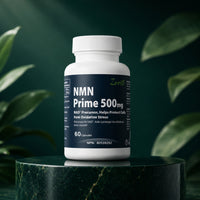
If you want a high-potency formula that checks every single scientific box, you can buy zeroo health's NMN supplements 500mg to support your longevity routine with verified lab-tested quality.

The Longevity Researcher's Daily Protocol
In my work evaluating cellular aging therapies, consistency and quality are paramount. Here is how I personally approach NMN integration:
-
Morning Dosing: I recommend taking 500 mg of NMN in the morning. Cellular NAD+ levels naturally follow a circadian rhythm, peaking during daylight hours when metabolic activity is highest.
-
Proper Storage: Store your bottle in a cool, dark place away from moisture and direct heat. Excess heat speeds up degradation into nicotinamide.
-
Batch Verification Routine: Every time a new order arrives, take sixty seconds to scan the QR code or visit the brand's laboratory page to verify the batch COA.

Frequently Asked Questions About Third-Party Tested NMN
How do I know if my NMN supplement is genuine?
Genuine NMN is typically a fine, odorless, bright white crystalline powder that dissolves quickly in water. The most reliable way to confirm authenticity is by verifying a batch-specific Certificate of Analysis from an accredited third-party laboratory using HPLC testing.
What is the recommended daily dosage for pure NMN?
Most human clinical studies evaluate doses between 250 mg and 900 mg per day. For healthy adults seeking daily NAD+ support, a daily dose of 500 mg is widely regarded as optimal for balancing safety, bioavailability, and cellular efficacy.
Why is heavy metal testing necessary for NMN?
Because NMN is produced through complex chemical or enzymatic synthesis, trace amounts of dangerous elements like lead, mercury, arsenic, or cadmium can remain if raw materials are not thoroughly purified. Routine heavy metal screening guarantees the product is safe for long-term daily use.
What should I look for on an NMN COA?
Look for an independent ISO-17025 lab name, a matching lot/batch number, an HPLC purity result of 99% or higher, explicit clearance for heavy metals (lead, arsenic, cadmium, mercury), and negative results for microbial contamination like mold and E. coli.
How should third-party tested NMN be stored to maintain potency?
NMN should be kept sealed in an airtight container away from direct light, heat, and humidity. Storing your supplement at room temperature or in a cool pantry preserves its chemical stability and prevents premature breakdown.
Medical Disclaimer
The information provided in this article is for educational and informational purposes only and is not intended as medical advice. Dietary supplements like NMN are not intended to diagnose, treat, cure, or prevent any disease. Always consult with your physician or a qualified healthcare professional before starting any new supplement regimen, especially if you have pre-existing medical conditions or take prescription medications.