
Every second, trillions of chemical reactions keep your body alive, moving, and thinking. At the center of this complex cellular engine is a molecule called Nicotinamide Adenine Dinucleotide (NAD+). Without it, your mitochondria cannot generate energy, your DNA cannot repair itself, and your cells cannot defend against systemic decay. Unfortunately, as we age, our systemic NAD+ levels decline precipitously. By middle age, our levels typically drop to half of what they were in our youth, accelerating the onset of physiological decline.
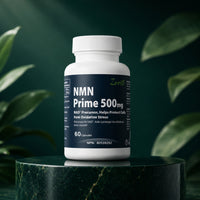
To combat this decline, researchers and health-conscious individuals have turned to cellular precursors that stimulate systemic synthesis of this essential molecule. Among these, the oral NMN supplement has emerged as one of the most thoroughly researched and promising interventions for restoring cellular vitality and slowing the biological markers of aging.
Quick Answer: What is NMN and How Does It Benefit You?
An NMN supplement boosts cellular health by increasing levels of Nicotinamide Adenine Dinucleotide (NAD+), a vital coenzyme that declines with age. By raising NAD+, NMN supports mitochondrial energy production, enhances DNA repair, activates longevity-linked sirtuin proteins, and improves insulin sensitivity. Clinical trials confirm that oral NMN is safe and effectively absorbed, helping to combat age-related cellular decay.
About the Author
This comprehensive guide is based on research authored by Dr. Julian Vance, PhD, a lead researcher in molecular biogerontology and a scientific advisor with over fifteen years of experience analyzing cellular metabolism, mitochondrial pathways, and the systemic effects of NAD+ precursors on human aging.
What is Nicotinamide Mononucleotide?
To understand how this molecule functions, we must examine its chemical identity. Nicotinamide mononucleotide is a naturally occurring bioactive nucleotide. It is composed of a nicotinamide group, a ribose sugar, and a phosphate group. Within our bodies, NMN acts as the immediate precursor to NAD+, meaning it serves as the direct raw material that our cells use to manufacture this vital coenzyme.
Our bodies naturally synthesize nicotinamide mononucleotide from B-vitamins, and it is also present in trace amounts in several raw foods, including broccoli, cabbage, cucumbers, edamame, and avocados. However, the concentration of NMN in these dietary sources is incredibly minimal. To obtain even 250 milligrams of NMN from your diet, you would need to consume roughly 100 pounds of broccoli per day. This discrepancy is why concentrated, high-purity supplementation has become the primary method for individuals looking to elevate their cellular NAD+ pools.
When ingested, NMN is rapidly absorbed and converted into NAD+. While other precursors like Nicotinamide Riboside (NR) and standard Niacin (Vitamin B3) also feed into this pathway, recent comparative research has shed new light on how these precursors function in vivo. A randomized human clinical trial conducted by Swiss researchers and published in Nature Metabolism demonstrated that oral NMN and NR sustainably double baseline whole-blood NAD+ levels after 14 days of supplementation. Interestingly, the study revealed that gut microflora plays an integral role in this metabolic conversion, metabolizing oral NMN into nicotinic acid before it is converted into circulating NAD+. This highlight underscores the complex, synergistic relationship between our gastrointestinal health and cellular energy metabolism.

What Does NMN Do in the Human Body?
To answer the fundamental question—what does NMN do once it enters our systemic circulation?—we have to look at the cellular level. After absorption, NMN is transported into cells, where it is synthesized directly into NAD+. Once NAD+ is replenished, it participates in several vital cellular pathways:
1. Fueling mitochondrial energy production
Mitochondria are often referred to as the cellular powerhouses. They produce Adenosine Triphosphate (ATP), the universal energy currency used by every organ in the body. NAD+ is a critical coenzyme in the citric acid cycle and oxidative phosphorylation—the primary pathways for ATP generation. By boosting NAD+, NMN optimizes mitochondrial performance, which translates to improved physical energy, mental clarity, and metabolic efficiency.
2. Activating longevity-linked sirtuins
Sirtuins are a family of seven cellular proteins (SIRT1 through SIRT7) that act as cellular guardians. They regulate gene expression, control inflammation, manage cell survival, and assist in mitochondrial biogenesis. However, sirtuins are entirely dependent on NAD+ to function. Without sufficient NAD+, sirtuins remain inactive, leaving the cell vulnerable to DNA damage and oxidative stress. Replenishing NAD+ with NMN provides the fuel these survival enzymes require to execute their protective tasks.
3. Enhancing DNA repair pathways
Our DNA is constantly subjected to damage from environmental toxins, UV radiation, and normal metabolic byproducts. To counteract this, our cells utilize specialized repair enzymes known as PARPs (Poly ADP-Ribose Polymerases). Like sirtuins, PARPs cannot function without NAD+. When DNA damage occurs, PARPs consume high amounts of NAD+ to perform repairs. If NAD+ levels are depleted due to age, our DNA repair mechanisms stall, leading to genomic instability and accelerated biological aging.
Examining the Scientifically Proven NMN Benefits
For years, the bulk of research surrounding nicotinamide mononucleotide was restricted to animal models. In mice, NMN demonstrated a staggering ability to restore youthful energy levels, enhance insulin sensitivity, reverse vascular aging, and improve cognitive capacity. However, the scientific community rightfully demanded human data. Over the past several years, multiple clinical trials have moved NMN from a theoretical anti-aging agent to a clinically validated metabolic optimizer.
Here is a breakdown of the primary NMN benefits that have been documented in human clinical studies:
1. Significant elevation of NAD+ levels
First and foremost, human trials have proven that oral NMN successfully achieves its primary objective: raising systemic NAD+. Clinical trials consistently show that oral NMN supplementation increases NAD+ levels in the blood in a dose-dependent manner. For example, a landmark multicenter, randomized, double-blind, placebo-controlled study published in GeroScience evaluated the safety and efficacy of NMN in 80 healthy middle-aged adults. The trial demonstrated that daily doses of 300 mg, 600 mg, and 900 mg of oral NMN over a 60-day period significantly boosted blood NAD+ concentrations compared to baseline and a placebo, with the highest efficacy observed in the 600 mg and 900 mg cohorts.
2. Enhanced aerobic capacity and physical performance
As we age, our physical endurance declines, partly due to reduced vascular health and capillary density in skeletal muscle. Studies indicate that NMN can help mitigate this. In the aforementioned GeroScience trial, researchers evaluated physical performance using a six-minute walking test. The participants receiving NMN walked significantly longer distances than the placebo group, with those in the 600 mg and 900 mg groups experiencing the most notable improvements in aerobic capacity and endurance.
3. Improved metabolic health and insulin sensitivity
Metabolic dysfunction is a hallmark of the aging process. Declining NAD+ levels are closely linked to insulin resistance, liver fat accumulation, and dyslipidemia. Human clinical trials have indicated that NMN support can have positive metabolic implications. A pilot study conducted at the Washington University School of Medicine in St. Louis found that oral NMN supplementation in postmenopausal, prediabetic women improved muscle insulin sensitivity and muscle signaling pathways responsible for glucose uptake.
4. Promotion of gut health and systemic anti-inflammatory actions
The gut-microbiome axis plays a crucial role in overall systemic health. The 2026 clinical study published in Nature Metabolism highlighted that both NMN and NR modulate our gut bacteria to increase the concentrations of short-chain fatty acids (SCFAs), such as butyrate and acetate. These metabolites are known to support gut barrier integrity, mitigate localized gastrointestinal inflammation, and exert anti-inflammatory and metabolic benefits throughout the human body.

Moving Beyond the Hype: Reading the Human Clinical Evidence
To appreciate the scientific foundation of nicotinamide mononucleotide, we must carefully review the clinical trials that separate sound scientific evidence from marketing hype. The modern longevity industry is often characterized by exaggerated claims that outpace the speed of clinical verification. However, the data that does exist is highly encouraging.
The systematic review of randomized controlled trials published in the literature has established that oral NMN has a remarkable safety profile. Across dozens of human trials evaluating doses ranging from 100 mg up to 1,250 mg daily, no serious adverse events or toxicities have been reported. The molecule is exceptionally well-tolerated by the human body.
While early rodent studies hinted at a potential reversal of biological age, human studies are focused on measurable parameters of healthspan. Healthspan refers to the period of life spent in good health, free from chronic diseases and disabilities. By improving mitochondrial output, bolstering capillary growth, and defending cellular DNA, NMN acts as a foundation for systemic health optimization.

Dosage, Quality, and Safe Supplementation
If you are considering integrating NMN into your daily wellness regimen, it is crucial to approach supplementation with an emphasis on quality, safety, and proper dosing.
Determining your ideal daily dose
Based on the current scientific literature, the most effective daily dose for healthy adults ranges between 250 mg and 1,000 mg.
-
250 mg to 500 mg daily: Excellent starting range for younger individuals (in their 30s or 40s) or those focused on general wellness and preventative cellular maintenance.
-
500 mg to 1,000 mg daily: Often recommended for middle-aged or older adults seeking more pronounced support for physical endurance, recovery, and metabolic health, as this range reflects the highest clinical efficacy observed in trials.
It is generally recommended to take your NMN in the morning with or without food. Because cellular NAD+ levels naturally peak earlier in the day to match our circadian rhythms, morning administration aligns with your body's natural metabolic clock.
Choosing high-quality NMN formulations
The market is saturated with cellular supplements, but not all products are created equal. Because NMN is a complex, sensitive molecule, it is subject to degradation if exposed to excessive heat, light, and moisture. To ensure you are getting an effective product, keep the following parameters in mind:
-
Third-party testing: Only purchase supplements that provide a recent Certificate of Analysis (CoA) from an independent, third-party laboratory. This document verifies that the batch contains the claimed dosage and is free from heavy metals, solvents, and microbiological contaminants.
-
High purity levels: Look for products that guarantee a purity level of 99% or higher of active
-
β
-
β
-
-nicotinamide mononucleotide.
-
Stabilized formulations: Choose brands that utilize specialized stabilization techniques to ensure shelf-life integrity without requiring refrigeration.
When you are ready to implement a professional-grade cellular health protocol, it is essential to source your precursors from reputable suppliers. You can explore and buy pure NMN supplements online to ensure you are receiving a clinically validated, highly bioavailable formulation. Choosing high-quality nicotinamide mononucleotide formulations that guarantee molecular purity is the most reliable way to achieve the targeted health benefits observed in recent clinical research.

Navigating the Regulatory Landscape
As a consumer, you may have noticed shifting news regarding the regulatory status of NMN in different regions. In late 2022, the United States Food and Drug Administration (FDA) determined that NMN could no longer be marketed as a dietary supplement. This decision was not based on safety concerns. Instead, it was due to a regulatory rule known as "preclusion." Under FDA guidelines, if an ingredient is first authorized for investigation as a new pharmaceutical drug, it cannot subsequently be marketed as a dietary supplement.
Because a pharmaceutical company initiated clinical trials on NMN as an investigational drug, the FDA enacted this preclusive rule to protect the drug development pathway. Despite this administrative stance, NMN remains widely discussed, researched, and accessible in various global markets. In many regions, including parts of Europe and Asia, NMN continues to be classified and sold as a health product, and clinical research into its long-term benefits continues to expand rapidly.
Building a Complete Longevity Strategy
While supplementing with NMN is a highly effective way to bolster your cellular NAD+ pools, it should not exist in a vacuum. True longevity and metabolic optimization are built on a holistic foundation of healthy lifestyle habits:
-
Regular physical exercise: High-intensity interval training (HIIT) and resistance training naturally stimulate AMPK activity and upregulate the NAMPT enzyme, which naturally increases your body's internal production of NMN and NAD+.
-
Caloric restriction and intermittent fasting: Periodically reducing your caloric intake activates sirtuins and shifts your cells into a protective, autophagic state, working hand-in-hand with NMN supplementation.
-
Quality sleep: Your cellular repair mechanisms operate at peak capacity while you sleep. Maintaining a consistent circadian rhythm is crucial for protecting your baseline NAD+ levels.
By combining target molecular interventions with these core lifestyle habits, you can establish a powerful, comprehensive defense against physical and metabolic aging.
Key Takeaways
-
Precursor to Vitality: NMN is the direct cellular precursor to NAD+, an essential coenzyme for energy production, DNA repair, and survival enzyme activation.
-
Clinically Validated: Human clinical studies confirm that oral NMN safely and effectively raises blood NAD+ levels, improves physical endurance, and enhances insulin sensitivity.
-
Quality Matters: When preparing to purchase high-purity NMN suppliments, select third-party tested products with at least 99% purity to ensure stability and efficacy.
Frequently Asked Questions (FAQ)
1. Is NMN safe to take daily?
Yes, clinical studies consistently indicate that daily oral NMN is highly tolerated in human subjects. Clinical trials testing daily doses up to 1,250 mg for several weeks have reported no significant side effects or toxicities. The landmark trial published in GeroScience confirmed that daily intakes of 300 mg, 600 mg, and 900 mg are safe for middle-aged adults over 60 days of continuous supplementation [2].
2. What is the difference between NMN and NR (Nicotinamide Riboside)?
NMN and NR are both direct precursors to NAD+, but they follow slightly different biochemical pathways. NMN is a larger molecule that contains a phosphate group, which is typically removed before cellular entry or metabolized in the gut. While both precursors have been shown to effectively raise NAD+ levels in human trials, the 2026 study published in Nature Metabolism indicated that NMN and NR may utilize distinct interactions with gut microflora to elevate circulating NAD+, highlighting unique absorption dynamics for each precursor .
3. How long does it take for NMN to start working?
Biochemically, NMN begins raising blood NAD+ levels within hours of ingestion. However, noticeable physiological benefits—such as improvements in daily physical endurance, enhanced mental alertness, or better sleep quality—typically emerge after 2 to 4 weeks of consistent daily usage. More pronounced metabolic and physical performance gains, such as those evaluated in human trials, are observed after 30 to 60 days.
4. Should I take NMN with food or on an empty stomach?
NMN can be taken with or without food. Some users prefer taking it on an empty stomach first thing in the morning to encourage rapid absorption. If you have a sensitive stomach, consuming your daily dose alongside a light, healthy fat source or breakfast can help prevent mild digestive irritation without hindering systemic bioavailability.
5. Does NMN survive stomach acid when swallowed?
Recent research shows that oral NMN is highly stable and bioavailable in the human digestive system. While earlier theories suggested that stomach acid would degrade the molecule, human clinical trials have demonstrated that standard oral capsules of NMN successfully survive transit through the stomach, resulting in a consistent and robust doubling of baseline NAD+ concentrations in whole blood.
Medical Disclaimer
The information provided in this article is for educational and informational purposes only and is not intended as medical advice. Dietary supplements like NMN are not intended to diagnose, treat, cure, or prevent any disease. Always consult with your physician or a qualified healthcare professional before starting any new supplement regimen, especially if you have pre-existing medical conditions or take prescription medications.