
By: Zeroo Health Research & Editorial Team Last Updated: November 3, 2026
Commercial Conflict-of-Interest Disclosure: Zeroo Health is a Canadian longevity supplement brand that manufactures and sells encapsulated beta-nicotinamide mononucleotide (Health Canada-licensed NMN Prime 500mg capsules, NPN 80139252). Zeroo Health does not sell raw unencapsulated bulk powders, liposomal liquid drops, or pharmaceutical medications. To ensure objective analysis, all chemical assays, clinical trials, and regulatory standards cited in this guide reflect independent scientific publications, official government monographs, and accredited laboratory protocols. Where cited studies involve commercial sponsors, those affiliations are stated directly.
Nicotinamide mononucleotide (NMN) is a naturally occurring bioactive nucleotide that serves as an immediate biochemical precursor to nicotinamide adenine dinucleotide (NAD+). Nicotinamide adenine dinucleotide (NAD+) is an essential coenzyme found in every living cell that powers mitochondrial energy metabolism and fuels DNA repair enzymes. High-performance liquid chromatography (HPLC) is an analytical chemistry technique used to separate, identify, and quantify each individual molecule within a compound mixture.
When consumers evaluate dietary supplements to support cellular energy, selecting genuine high purity NMN represents the single most important factor determining biological efficacy and personal safety.
Quick Answer
High purity NMN refers to beta-nicotinamide mononucleotide that has been independently verified by high-performance liquid chromatography to contain at least 99% active compound. Sourced primarily through enzymatic biosynthesis, genuine material contains no chemical solvent residues, heavy metals, or degraded nicotinamide, ensuring consistent cellular absorption and verified potency across every batch.
Key Takeaways
-
Purity Threshold: Premium NMN requires a verified beta-nicotinamide mononucleotide concentration of at least 99%, validated by quantitative HPLC rather than basic identification tests.
-
Manufacturing Distinction: Fully enzymatic biosynthesis produces pure, biologically active beta-isomers while avoiding the hazardous chemical solvents and inactive alpha-isomers common in low-cost chemical synthesis.
-
Adulteration Risks: An independent market surveillance study conducted by ChromaDex in 2021 revealed that 14 out of 22 top-selling Amazon NMN brands (64%) contained less than 1% of the active compound listed on the label.
-
Regulatory Oversight: In Canada, authentic NMN supplements must hold an eight-digit Natural Product Number (NPN) authorized by Health Canada; in the United States, manufacturing facilities must comply with FDA 21 CFR Part 111 cGMP regulations.
-
Stability Protection: Encapsulated NMN shields hygroscopic crystals from atmospheric humidity, light, and ambient air, preventing rapid hydrolytic degradation into common nicotinamide.
Table of Contents
-
What Defines High Purity NMN and Why Does It Matter?
-
How Does NMN Manufacturing Affect Chemical Purity and Stability?
-
How Do Independent Laboratories Perform NMN Purity Testing?
-
What Should You Look for on a Third-Party Certificate of Analysis?
-
Pure NMN Capsules vs Loose Bulk Powder: Which Protects Compound Stability?
-
Where Do Unencapsulated Bulk NMN Powders Win Over Capsules?
-
How Do Canadian and US Regulations Govern NMN Supplements?
-
Safety, Daily Dosage Limits, and Professional Precautions
-
Evaluating NMN Formulations: What Zeroo Health Offers
-
Frequently Asked Questions
-
References
-
About the Editorial Team
About This Evidence Review
This guide reviews published peer-reviewed human clinical trials, analytical chemistry standards, and regulatory documentation from Health Canada and the United States Food and Drug Administration (FDA). Laboratory methodologies discussed follow validation protocols established by the United States Pharmacopeia (USP) and the International Organization for Standardization (ISO). Experimental findings from cell culture or rodent models are explicitly designated as preclinical, while dosing and safety baselines reflect peer-reviewed human clinical trials.
What Defines High Purity NMN and Why Does It Matter?
High purity NMN is defined as beta-nicotinamide mononucleotide with a verified concentration of 99% or higher, free from synthetic residues or isomers. Purity matters because degraded or substandard material converts into plain nicotinamide, which fails to elevate NAD+ effectively and may inhibit sirtuin longevity enzymes at elevated daily doses.
At the molecular scale, nicotinamide mononucleotide exists in two distinct stereoisomers: alpha-NMN and beta-NMN. The human body recognizes only the beta-isomer (β-NMN) for NAD+ biosynthesis. When mammalian cells absorb beta-NMN through dedicated cell-membrane transporters such as Slc12a8, intracellular enzymes rapidly convert the molecule into NAD+, restoring cellular ATP production and activating sirtuins (SIRT1–SIRT7).
In contrast, alpha-NMN is biologically unreactive in human metabolic pathways. Formulas that fail to isolate pure beta-NMN provide consumers with inactive material that places an unnecessary filtration burden on the kidneys and liver.
The global longevity marketplace has suffered from chronic adulteration issues. In 2021, analytical testing conducted by ChromaDex evaluated 22 NMN dietary supplement brands holding significant market share on Amazon. The published findings showed that 14 of the 22 products (64%) contained less than 1% of the NMN stated on the label, with three products containing no detectable NMN whatsoever. Only 3 of the 22 tested brands met their stated label claims. The substandard brands substituted inexpensive vitamin B3 derivatives (such as nicotinamide or nicotinic acid) or inert starch fillers while continuing to market their products as pure longevity compounds.
Consuming degraded or counterfeit NMN undermines health objectives. Pure NMN hydrolyzes into nicotinamide when exposed to excessive heat, moisture, or poor chemical synthesis. While low concentrations of nicotinamide serve as regular dietary nutrients, sustained megadoses of free nicotinamide have been shown in biochemical research to inhibit sirtuins and poly(ADP-ribose) polymerase (PARP) enzymes, defeating the cellular rejuvenation pathways consumers seek to support.
How Does NMN Manufacturing Affect Chemical Purity and Stability?
Modern NMN manufacturing relies on either fully enzymatic biosynthesis or chemical synthesis. Enzymatic processes utilize natural biocatalysts to yield biologically active beta-NMN without toxic solvent residues. In contrast, chemical synthesis frequently produces inactive alpha-isomers and hazardous chemical by-products, necessitating rigorous purification to achieve an acceptable consumer safety standard.

The industrial production method directly dictates the chemical profile of the finished raw material. Two primary manufacturing routes dominate the supply chain:
-
Enzymatic Biosynthesis: This advanced manufacturing approach mirrors the natural biological pathway utilized inside mammalian cells. Technicians introduce specific biocatalytic enzymes into a controlled fermentation medium containing purified raw substrates, such as nicotinamide riboside or adenosine triphosphate (ATP) donors. The enzymes selectively catalyze reactions that produce exclusively the beta-isomer. Because this method operates under aqueous conditions without harsh organic reagents, it generates no residual industrial solvents, resulting in raw crystalline powder with purity levels exceeding 99.5%.
-
Chemical Synthesis: Traditional chemical production synthesizes NMN through multi-step industrial organic reactions using reagents such as phosphorus oxychloride, acetonitrile, and halogenated solvents. While chemically synthesized material is cheaper to produce at scale, the reactions inevitably create a mixture of alpha and beta stereoisomers. Purifying the target beta-isomer out of synthetic reaction broths requires aggressive solvent crystallization. If poorly managed, traces of heavy metal catalysts and volatile organic solvents remain trapped inside the crystalline matrix.
| Attribute / Quality Criterion | High Purity Enzymatic NMN (≥99%) | Synthetic Chemical NMN | Substandard / Adulterated Formulas | Source / Evidence Level |
| Active Stereoisomer | 100% Biologically Active β-NMN | Mixed Isomers (β-NMN & Inactive α-NMN) | Inactive or Unmeasured Isomers | Analytical Chromatography |
| Typical Chemical Purity | 99.0% to 99.9% Assay | 92.0% to 97.0% Assay | <1.0% to 60.0% Assay | ChromaDex Market Study (2021) |
| Residual Organic Solvents | None (Aqueous Enzymatic Synthesis) | Traces of Acetonitrile or Methanol Possible | High Risk of Industrial Impurities | USP <467> Solvent Guidelines |
| Heavy Metal Contamination | Undetected / Far Below USP Limits | Dependent on Catalyst Removal | Frequently Untested or Elevated | ICP-MS Heavy Metal Testing |
| Biological Activity | Direct Enzymatic Uptake into NAD+ | Partial Uptake; Inactive Fractions | Negligible NAD+ Elevation | Published Clinical Trials |
Table Summary: Enzymatic biosynthesis provides guaranteed beta-stereoisomer purity and eliminates residual industrial solvents, whereas chemical synthesis and unverified retail formulas carry elevated risks of inert isomers and adulteration.
Understanding the manufacturing process allows consumers to look past marketing claims and demand evidence of enzymatic synthesis and finished-product testing.
How Do Independent Laboratories Perform NMN Purity Testing?
Accredited laboratories perform NMN purity testing primarily through high-performance liquid chromatography coupled with ultraviolet detection or mass spectrometry. This process separates the active beta-nicotinamide mononucleotide molecule from breakdown products, quantifying actual potency against reference standards. Additional screenings use inductively coupled plasma mass spectrometry to verify that heavy metals remain below detectable limits.

Relying on a manufacturer’s internal quality statement is insufficient in the longevity sector. True verification requires independent third-party laboratories accredited under ISO/IEC 17025 standards to perform four complementary analytical tests:
1. High-Performance Liquid Chromatography (HPLC)
HPLC remains the primary analytical benchmark for evaluating NMN manufacturing purity. The testing protocol dissolves a precise sample of finished powder in a liquid mobile phase and forces it through a tightly packed chromatographic column under pressures exceeding 3,000 psi.
Individual chemical compounds travel through the column matrix at distinct speeds based on molecular weight, polarity, and charge. A spectrophotometric detector registers each compound as it exits the column, generating a graphical chromatogram with sharp peaks.
Pure beta-NMN displays a single, sharp retention peak at a certified time point. Any degraded nicotinamide, solvent residues, or related nucleotides separate into distinct neighboring peaks. By calculating the area under the target peak relative to certified primary reference standards, analytical chemists determine compound purity down to a fraction of a percent.
2. Liquid Chromatography-Mass Spectrometry (LC-MS)
While HPLC quantifies purity and concentration, mass spectrometry confirms molecular identity. LC-MS ionizes the sample and measures the mass-to-charge ratio of the particles. Beta-nicotinamide mononucleotide holds a distinct molecular weight of 334.22 g/mol . LC-MS testing confirms that the chemical structure matches the exact molecular fingerprint of NMN, eliminating counterfeit compounds that mimic NMN retention times on standard optical assays.
3. Inductively Coupled Plasma Mass Spectrometry (ICP-MS)
Heavy metals accumulate in raw materials when manufacturers cut corners during synthesis or use contaminated water supplies. ICP-MS vaporizes the compound in an argon plasma torch burning at 6,000 to 10,000 Kelvin, ionizing elemental particles to detect toxic metals at parts-per-billion (ppb) concentrations. An accredited analysis must confirm that lead, arsenic, cadmium, and mercury fall far below international pharmacopeial limits.
4. Microbiological and Bioburden Screening
Finished supplements must remain sterile and pathogen-free. Analytical testing screens every production lot for aerobic plate counts, yeast, mold, Escherichia coli, Salmonella, and Staphylococcus aureus to verify safe oral consumption.
What Should You Look for on a Third-Party Certificate of Analysis?
A credible Certificate of Analysis must state the specific batch number printed on your supplement bottle, display an accredited ISO 17025 laboratory header, and specify high-performance liquid chromatography as the analytical method. Valid certificates display quantitative purity percentages of at least 99% alongside zero-tolerance screens for microbial pathogens, arsenic, cadmium, lead, and mercury.
A Certificate of Analysis (COA) is an official document issued by an analytical testing facility confirming the specifications and test results of a specific production lot. Low-grade supplement brands often deceive shoppers by hosting generic "spec sheets" or forged COAs that hide lab names or display results from unrelated batches.
When reviewing a COA, verify five critical components:
-
Matching Lot and Batch Numbers: The batch or lot code printed on the COA must match the exact stamped lot number on the bottom of your supplement bottle. A COA without a batch number is simply an ingredient specification sheet, not proof of product testing.
-
ISO/IEC 17025 Accreditation: The testing laboratory must be a named, independent facility holding current ISO 17025 accreditation. This certification guarantees that the facility follows internationally audited testing methodologies, uses calibrated instrumentation, and operates free from commercial brand control.
-
Explicit Method Specifications: The document must state "HPLC" or "UHPLC" next to the purity assay line. If the report lists "spectrophotometry", "titration", or leaves the method line blank, the purity percentage cannot distinguish between genuine NMN and cheap vitamin B3.
-
Specific Quantitative Figures: Look for explicit numeric findings (e.g., "99.4% β-NMN") rather than ambiguous checkboxes labeled "Pass" or "Conforms."
-
Full Contaminant Panels: A complete COA provides quantitative results for heavy metals (lead < 0.5 ppm, arsenic < 1.0 ppm, cadmium < 0.5 ppm, mercury < 0.1 ppm) and microbiological bioburden.
If a supplement brand refuses to provide a batch-matched COA from an accredited laboratory upon request, avoid the product.
Pure NMN Capsules vs Loose Bulk Powder: Which Protects Compound Stability?
Pure NMN capsules protect the active compound from ambient humidity and atmospheric oxygen, which degrade raw nucleotide crystals into plain nicotinamide during daily opening of bulk containers. Encapsulation also ensures precise, repeatable 500mg dosing without requiring precision milligram scales, preserving chemical integrity from production through daily consumption.

The biochemical architecture of nicotinamide mononucleotide makes it naturally hygroscopic, meaning it actively attracts and binds water molecules from the surrounding environment. When bulk NMN powder absorbs atmospheric moisture, water molecules cleave the vulnerable glycosidic bond linking the nicotinamide ring to the ribose phosphate backbone. This hydrolytic degradation converts active NMN into plain nicotinamide and ribose-5-phosphate.
Formulating pure NMN capsules provides a physical barrier that dramatically improves stability:
-
Protection from Ambient Air and Humidity: Every time a user opens a 100-gram tub of bulk loose powder, room air, kitchen steam, and environmental microbes enter the container. Over 60 to 90 days of daily use, repetitive humidity exposure leads to clumping, yellow discoloration, and accelerated loss of potency. Sealed vegetable capsules (such as hypromellose or pullulan) housed within airtight pharmaceutical-grade bottles protect the crystalline compound against atmospheric exposure until the capsule is swallowed.
-
Exact Dosing Without Precision Scales: Achieving a clinically meaningful 500mg daily serving with loose powder requires a calibrated analytical milligram scale. Standard plastic scoops included in powder tubs vary by up to 35% in volume based on how tightly the powder is packed. Pre-measured 500mg capsules eliminate dosing errors entirely.
-
Gastrointestinal Protection: Enclosing pure NMN inside a vegetable capsule shields the compound temporarily from gastric acids in the stomach, promoting smoother passage into the small intestine where Slc12a8 transporters facilitate cellular uptake. For a comprehensive comparison of biological delivery systems, explore our NMN powder versus capsule bioavailability analysis.
Where Do Unencapsulated Bulk NMN Powders Win Over Capsules?
Unencapsulated bulk NMN powder wins for experienced consumers prioritizing the lowest possible cost per gram and flexible micro-dosing adjustments. Buyers who take custom fractions under 250mg or dissolve raw powder immediately into morning beverages benefit from bulk jars, provided they store the container in cool, dry conditions with adequate desiccant protection.
While encapsulated delivery provides superior moisture defense and daily convenience, unencapsulated raw bulk powders hold practical advantages for specific user categories:
1. Lower Cost per Gram for Long-Term Regimens
Encapsulation requires pharmaceutical machinery, specialized capsule shells, and slower manufacturing run times. By eliminating capsule shells and bottling overhead, bulk powder manufacturers can pass production savings to the consumer. For households where multiple family members take daily NMN, buying verified high-purity bulk powder in 100-gram or 250-gram jars can reduce monthly supplement expenditures by 20% to 35%.
2. Flexible Dose Titration
Standard capsule formulations fix doses at 250mg or 500mg per unit. However, clinical researchers and biohackers experimenting with personalized dosing protocols (such as 125mg for lightweight individuals or gradual upward titration) require precise micro-adjustments. Loose powder allows users to measure exact custom quantities on an analytical milligram scale.
3. Immediate Liquid Mixing and Sublingual Preference
Some individuals have difficulty swallowing oral capsules or prefer dissolving pure compound directly under the tongue (sublingual administration) or mixing it into morning smoothies. High purity NMN dissolves rapidly in cold water with a slightly acidic, tart citrus taste.
When choosing loose powder, consumers must store the sealed tub in a cool, dark environment (or refrigerator) and ensure the container includes pharmaceutical-grade silica desiccant packs to prevent moisture clumping.
How Do Canadian and US Regulations Govern NMN Supplements?
In Canada, NMN supplements require pre-market approval, a verified safety assessment, and an eight-digit Natural Product Number issued by Health Canada. In the United States, dietary supplements are regulated under 21 CFR Part 111 cGMP frameworks, placing primary legal responsibility on manufacturers to independently verify finished product identity and purity.
Supplement regulations differ substantially between Canada and the United States, impacting consumer safety and product reliability across North America.
The Canadian Regulatory Framework (Health Canada)
In Canada, dietary supplements are governed as Natural Health Products (NHPs) under the Natural Health Products Regulations (SOR/2003-196). Health Canada enforces one of the strictest pre-market verification models in the world:
-
Mandatory Natural Product Number (NPN): No brand can legally distribute an NMN supplement in Canada without first submitting a comprehensive safety, efficacy, and quality dossier to Health Canada. Upon approval, the government issues an 8-digit NPN that must appear visibly on the front label.
-
Site Licensing and GMP Compliance: Facilities manufacturing, packaging, or importing NHPs must hold an active Canadian Site Licence, which requires third-party auditing to prove adherence to Good Manufacturing Practices (GMP).
-
Authorized Health Monograph Claims: Health Canada maintains a dedicated monograph for Nicotinamide Mononucleotide (published August 2024), officially authorizing specific indications: serving as a factor in normal growth and development, supporting biological functions in the maintenance of good health, and providing cellular energy metabolism support.
Consumers can verify any Canadian NMN supplement by cross-referencing its 8-digit NPN in the official online Health Canada Licensed Natural Health Products Database.
The United States Regulatory Framework (US FDA)
In the United States, dietary supplements are regulated under the Dietary Supplement Health and Education Act of 1994 (DSHEA) and FDA 21 CFR Part 111:
-
Post-Market Enforcement: Unlike Health Canada, the US FDA does not approve dietary supplements prior to commercial retail. Manufacturers are legally responsible for ensuring that finished supplements meet identity, purity, strength, and composition specifications.
-
Regulatory IND Exclusion History: In late 2022, the FDA issued administrative statements noting that NMN was excluded from the statutory definition of a dietary supplement because it had been authorized for clinical investigation as an Investigational New Drug (IND). However, following industry citizen petitions and ongoing judicial reviews, the FDA has exercised enforcement discretion, allowing pure NMN supplements that comply with standard cGMP food-safety rules to remain commercially available to American consumers.
-
Import and Cross-Border Considerations: US consumers purchasing Canadian-made NMN supplements benefit from Health Canada's rigorous pre-market vetting while receiving products manufactured under compliant cGMP conditions. For logistical details on cross-border delivery and customs clearance.
Safety, Daily Dosage Limits, and Professional Precautions
Clinical trials indicate that daily oral NMN doses between 250mg and 1,000mg maintain a documented safety profile in healthy human adults over protocols lasting up to twelve weeks. Individuals who are pregnant, nursing, managing clinical diabetes, or undergoing medical cancer therapies must consult a physician before using NAD+ precursors.
Human clinical trials evaluating pure NMN have expanded substantially over recent years, establishing reliable safety boundaries and biological benchmarks:
-
Human Clinical Safety Data: A randomized, double-blind, placebo-controlled trial published by Yi et al. (2023) evaluated 80 healthy middle-aged adults administered 300mg, 600mg, or 900mg of oral NMN daily for 60 days. All doses were well-tolerated, with no adverse events reported, producing significant, dose-dependent increases in blood NAD+ concentrations and walking endurance. Similarly, human trials led by Igarashi et al. (2022) and Okabe et al. (2022) established that single and repeated daily doses up to 1,000mg showed no signs of hepatotoxicity, renal strain, or adverse gastrointestinal effects.
-
Standard Effective Dosing: For healthy adults between 30 and 60 years of age, a daily intake of 500mg represents the most common clinically supported baseline for elevating systemic NAD+ pools without excess excretion. To examine the physiological data behind this dosage, consult our detailed analysis on clinical evidence on 500mg daily NMN dosage.
Contraindications and Medical Precautions
Certain clinical populations should exercise caution or avoid NMN supplementation entirely:
-
Pregnancy and Lactation: Clinical safety trials have not been established in pregnant or breastfeeding women. Health Canada monographs mandate that individuals who are pregnant or nursing consult a healthcare practitioner prior to use.
-
Active Oncological Conditions: Because NAD+ fuels general cellular energy metabolism, theoretical questions exist regarding whether accelerating NAD+ synthesis could support rapidly dividing tumor cells. Individuals with a history of active cancer should consult their oncologist before taking any NAD+ booster.
-
Diabetes and Blood Glucose Medications: Clinical studies indicate that pure NMN improves skeletal muscle insulin sensitivity in prediabetic women (Yoshino et al., 2021). Patients taking prescription hypoglycemic medications should monitor their blood glucose levels closely to prevent unexpected additive effects.
Evaluating NMN Formulations: What Zeroo Health Offers
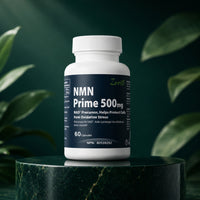
Zeroo Health NMN Prime 500mg provides Canadian-manufactured, single-ingredient beta-nicotinamide mononucleotide licensed under Health Canada NPN 80139252. Every batch undergoes third-party high-performance liquid chromatography testing verifying at least 99% purity and full heavy-metal clearance, retailing at $79.00 CAD for one-time orders or $59.25 CAD on flexible monthly subscriptions.

When shopping for an NMN supplement in Canada or the United States, evaluating a brand's testing transparency, licensing status, and ingredient purity separates premium formulas from unverified products.
Zeroo Health formulates its flagship longevity supplement to meet strict analytical criteria:
-
Health Canada Authorization: Zeroo Health NMN supplements holds active market authorization under Health Canada NPN 80139252, confirming that the formulation, raw ingredient testing, and packaging protocols meet Canadian government standards.
-
Third-Party HPLC Verification: Every commercial production run undergoes independent verification at accredited Canadian laboratories. Testing validates a beta-nicotinamide mononucleotide purity level of ≥99%, with full analytical documentation screening out heavy metals and biological impurities.
-
Stabilized Encapsulated Single-Ingredient Formula: Each vegan capsule delivers an exact 500mg dose of pure, stabilized beta-NMN without chemical fillers, artificial preservatives, or redundant proprietary blends. Encapsulation shields the crystalline active from ambient humidity.
-
Transparent North American Fulfillment: Manufactured in a certified Canadian GMP facility in Vancouver, British Columbia, Zeroo Health ships directly to consumers across Canada and the United States with free standard delivery, avoiding unexpected customs delays or cross-border brokerage surcharges.
-
Pricing and Purchasing Options: A single 60-capsule bottle (a two-month supply at 500mg daily) retails for $79.00 CAD. A recurring monthly subscription reduces the price by 25% to $59.25 CAD per bottle, backed by a 30-day customer satisfaction guarantee.
To explore additional longevity research, human trial breakdowns, and cellular health guides, visit the longevity science and NAD+ research archive.
Frequently Asked Questions
How can you tell if an NMN supplement is fake without laboratory equipment?
Consumers cannot distinguish genuine NMN from adulterated powders by taste, color, or texture because counterfeit formulas often substitute common nicotinamide, which appears identical. The only reliable validation without laboratory equipment is verifying a batch-matched certificate of analysis from an accredited third-party testing facility and confirming regulatory licensing details on official registries.
What is the difference between alpha-NMN and beta-NMN?
Beta-nicotinamide mononucleotide is the natural, biologically active stereoisomer recognized by human enzymatic transporters to synthesize nicotinamide adenine dinucleotide. Alpha-nicotinamide mononucleotide is an inactive chemical byproduct formed during non-enzymatic synthesis. Low-quality manufacturing processes that fail to isolate the beta-isomer leave consumers with unreactive compound fractions that yield zero NAD+ replenishment.
Does high purity NMN degrade if stored at room temperature?
High purity crystalline NMN in sealed, airtight containers remains chemically stable at standard room temperature of 20 to 25 degrees Celsius for up to twenty-four months. However, repeated exposure to ambient humidity or storage above 40 degrees Celsius triggers hydrolysis, breaking the nucleotide bond and converting active material into inactive nicotinamide.
Why is high purity NMN more expensive than other vitamin B3 supplements?
High purity NMN requires complex, multi-step enzymatic biosynthesis utilizing specialized biological enzymes, high-grade nicotinamide riboside or ribose donors, and sterile filtration. In contrast, conventional vitamin B3 forms such as niacin or niacinamide are mass-produced via direct chemical petrochemical synthesis at negligible costs, reflecting the substantial gap in raw manufacturing investment.
Can third-party testing detect heavy metals in NMN raw material?
Accredited analytical facilities utilize inductively coupled plasma mass spectrometry to screen raw NMN for trace heavy metal contaminants. This testing measures elemental concentrations down to parts per billion, ensuring that toxic residues of lead, cadmium, arsenic, and mercury remain well below the strict safety limits established by Health Canada and the USP.
What does an NPN number signify for Canadian NMN consumers?
An eight-digit Natural Product Number confirms that Health Canada reviewed the supplement's formulation, safety profile, medicinal ingredients, and manufacturing site license prior to market clearance. For Canadian consumers, an NPN guarantees that the finished product meets strict Canadian Good Manufacturing Practices, distinguishing regulated supplements from unverified cross-border imports.
References
-
ChromaDex Analytical Laboratory. (2021). Surveillance testing of Amazon NMN dietary supplement products reveals widespread lack of active ingredient. Analytical chemistry report on 22 commercial brands.
-
Health Canada. (2024). Nicotinamide Mononucleotide Monograph. Natural and Non-prescription Health Products Directorate (NNHPD). Government of Canada.
-
Igarashi, M., Nakagawa-Nagahama, Y., Miura, M., et al. (2022). Chronic nicotinamide mononucleotide supplementation elevates blood nicotinamide adenine dinucleotide levels and alters muscle function in healthy older men. npj Aging, 8(5). https://doi.org/10.1038/s41514-022-00084-z
-
Okabe, K., Yaku, K., Tsuchiya, Y., et al. (2022). Oral administration of nicotinamide mononucleotide is safe and efficiently increases blood nicotinamide adenine dinucleotide levels in healthy subjects. Frontiers in Nutrition, 9, 868640. https://doi.org/10.3389/fnut.2022.868640
-
United States Food and Drug Administration. (2022). Dietary Supplement Current Good Manufacturing Practice (cGMP) Regulations, 21 CFR Part 111. US Department of Health and Human Services.
-
Yi, L., Maier, A. B., Tao, R., et al. (2023). The efficacy and safety of β-nicotinamide mononucleotide (NMN) supplementation in healthy middle-aged adults: a randomized, multicenter, double-blind, placebo-controlled, parallel-group, dose-dependent clinical trial. GeroScience, 45(1), 29–43. https://doi.org/10.1007/s11357-022-00705-1
-
Yoshino, M., Yoshino, J., Kayser, B. D., et al. (2021). Nicotinamide mononucleotide increases muscle insulin sensitivity in prediabetic women. Science, 372(6547), 1224–1229. https://doi.org/10.1126/science.abe9931
About the Editorial Team
The Zeroo Health Longevity Research & Editorial Team develops educational resources examining cellular longevity, NAD+ biochemistry, and natural health products. Operating from Vancouver, British Columbia, our researchers analyze peer-reviewed clinical literature, review laboratory analytical testing standards, and translate complex metabolic research into clear, evidence-based guides for North American consumers. Connect with our team and review our full library through the Zeroo Health Longevity Hub.