
Quick Answer:
The main difference between NMN and NR lies in their molecular size and conversion process. NR (Nicotinamide Riboside) is a smaller molecule that enters cells easily to become NMN, which then converts to NAD+. NMN (Nicotinamide Mononucleotide) is one step closer to NAD+ production. Recent clinical trials confirm both effectively raise baseline NAD+ levels, but many longevity experts consider NMN the best NAD+ precursor for rapid absorption and sustained cellular energy.
Based on research done by Dr. Alexander Thorne, MD, Board-Certified Longevity Physician
As a longevity physician, I speak with patients every day who want to take a proactive approach to their health span. One of the most common questions I get involves deciphering the complex world of NAD+ supplementation, specifically the debate of NMN vs NR. With longevity science advancing rapidly, understanding the nuances between these two powerhouse molecules is critical for anyone looking to optimize their cellular health, combat age-related fatigue, and support long-term vitality.
In this comprehensive guide, we will unpack the latest clinical data from high-authority research centers, explore the biological pathways of both molecules, and help you determine which supplement aligns best with your healthy aging goals.
The Role of NAD+ in Cellular Health and Aging
Before we can compare these two molecules, we first need to understand the enzyme they both aim to produce: Nicotinamide Adenine Dinucleotide (NAD+). NAD+ is a vital coenzyme found in every living cell in your body. It functions similarly to cellular fuel, powering essential biological processes such as converting food into energy (ATP), repairing damaged DNA, and regulating our circadian rhythms.
NAD+ is also the primary fuel source for sirtuins—a family of proteins often referred to as the "guardians of the genome." Sirtuins play a pivotal role in inflammation control, metabolic regulation, and cellular defense. Without adequate NAD+, sirtuins cannot function, leaving our cells vulnerable to the wear and tear of aging.
Unfortunately, our natural NAD+ levels do not remain constant. Beginning in our late twenties, NAD+ production begins a steady decline. By the time we reach middle age, our levels have typically dropped by half. This depletion is accelerated by metabolic stressors like poor diet, alcohol consumption, lack of sleep, and environmental toxins. A key culprit in this decline is an enzyme called CD38, which actively consumes and drains NAD+ as we age.
To counteract this decline, scientists and high-authority research centers have heavily investigated NAD+ precursors. Because the NAD+ molecule itself is too large to easily pass through cell membranes when taken orally, we must provide the body with the raw materials—precursors—to synthesize it internally.
Understanding the Difference Between NMN and NR
When evaluating the difference between NMN and NR, it helps to look at the "salvage pathway," which is the chemical assembly line your body uses to recycle and produce NAD+.
Nicotinamide Riboside (NR):
NR is a form of vitamin B3 found in trace amounts in milk and certain fruits. In the biosynthetic pathway, NR is two steps away from becoming NAD+. When you ingest NR, it travels through the bloodstream and enters your cells. Once inside, an enzyme called NRK (nicotinamide riboside kinase) adds a phosphate group to the NR molecule, converting it into NMN. From there, it is converted into NAD+.
Nicotinamide Mononucleotide (NMN):
NMN is already one step further down the assembly line. It is a derivative of niacin that inherently possesses that crucial phosphate group. Because it is chemically closer to the finish line, it requires less biochemical conversion to become NAD+. NMN is naturally found in very small quantities in foods like broccoli, avocado, edamame, and cabbage.
Historically, some scientists argued that NMN was too large to enter cells directly and had to be broken down into NR first. However, groundbreaking research has since identified a specific transporter protein called Slc12a8, which actively ferries whole NMN molecules directly into cells in the gut. This direct entry mechanism is a significant reason why many high-authority research centers now lean toward NMN as a highly efficient option.

Bioavailability: How the Body Absorbs These NAD+ Boosters
In the consideration stage of choosing a supplement, bioavailability—the proportion of a substance that enters the circulation and has an active effect—is paramount. If a supplement degrades in the stomach before it reaches your cells, it is essentially useless.
For years, the medical community engaged in a theoretical debate over which molecule survived the digestive tract better. NR is highly bioavailable and has a robust track record of human safety data backing its ability to safely raise whole-blood NAD+. However, it can be somewhat unstable in blood plasma.
NMN, conversely, has demonstrated profound stability and rapid absorption. Clinical studies have shown that orally administered NMN is quickly absorbed into the bloodstream within minutes and converted into NAD+ in bodily tissues within hours. A fascinating recent human study published in <a href="https://www.nature.com/articles/s42255-025-01421-8">Nature Metabolism</a> in 2026 directly compared NR, NMN, and standard Nicotinamide (NAM). The findings revealed that the gut microbiome plays a pivotal role in processing both NR and NMN, converting them into a sustainable format that maintains higher baseline NAD+ levels over time, rather than just causing a brief spike.
This revelation underscores that both compounds are highly bioavailable, but they interact intimately with our gut bacteria to fuel systemic cellular repair. The study solidified that rather than simply flushing through the system, quality NAD+ boosters fundamentally elevate the body's ongoing functional baseline.
What High-Authority Research Centers Say About the Best NAD+ Precursor
When patients ask me to name the best NAD+ precursor, I always point them toward the data produced by leading research institutions.
Researchers at Harvard Medical School have been at the forefront of NMN research, demonstrating in animal models that NMN supplementation can significantly improve blood flow, enhance endurance, and even restore the capillary networks in older mice to resemble those of young mice. The researchers noted that NMN successfully combats endothelial aging, which is critical for cardiovascular health.
Conversely, institutions studying NR have produced stellar data highlighting its safety profile and its ability to act as a neuroprotective agent. Clinical trials on NR have shown promising results in reducing systemic inflammation and supporting mitochondrial function in older adults.
Yet, when comparing the two, many leading longevity physicians prefer NMN due to the subjective feedback from clinical patients. In clinical settings, individuals taking high-purity NMN frequently report a more noticeable and rapid improvement in daytime energy, mental clarity, and exercise recovery compared to those taking NR. While subjective, these patient-reported outcomes align closely with the rapid intracellular conversion pathways of NMN.

NMN vs NR: Weighing the Benefits and Side Effects
To make an informed decision, it helps to look at a side-by-side comparison of the real-world benefits and potential side effects of both supplements.
Potential Benefits of NR:
-
Safety Record: Extensive FDA-notified status and numerous completed human trials proving its safety.
-
Mitochondrial Support: Proven to stimulate mitochondrial biogenesis (the creation of new mitochondria).
-
Neuroprotection: Shows promise in supporting brain health and cognitive function.
Potential Benefits of NMN:
-
Direct Cellular Uptake: Utilizes the Slc12a8 transporter for rapid entry into specific tissues, including the gut.
-
Vascular Health: Strongly associated with improved blood vessel growth, muscle endurance, and cardiovascular support.
-
Energy and Vitality: Frequently linked to swift, noticeable improvements in physical stamina and circadian rhythm regulation.
Safety and Side Effects:
Both NMN and NR have excellent safety profiles in human trials. Neither molecule causes the infamous "niacin flush" (red, itchy skin) associated with high doses of standard vitamin B3. Mild side effects, when they do occur, are generally limited to mild gastrointestinal discomfort if taken on an empty stomach. Standard dosing for both typically ranges between 300mg to 1,000mg per day, depending on age and biological needs.

How to Choose the Right Supplement for Your Longevity Goals
Ultimately, resolving the difference between NMN and NR comes down to your personal health goals, budget, and access to premium formulations. Both compounds are scientifically validated methods for raising your NAD+ levels, fighting cellular senescence, and supporting a longer, healthier life.
However, because NMN is chemically one step closer to NAD+, relies on specific transporters for rapid cellular uptake, and is heavily favored by leading longevity experts for its noticeable impact on energy and physical endurance, it often edges out NR in the pursuit of peak performance.
When choosing an NMN supplement, purity and third-party testing are non-negotiable. The market is unfortunately saturated with low-quality, degraded NMN that does not survive shelf life or digestion. You need a trusted, transparent provider that prioritizes biological efficacy over marketing hype.
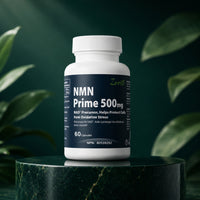
If you are ready to take control of your cellular aging process and experience the gold standard of NAD+ optimization, I highly recommend you buy zeroo health's nmn supplements product. Formulated for maximum purity, third-party lab tested, and designed to support sustained systemic energy, it represents the very best of current longevity science.

FAQ
What is the main difference between NMN and NR?
The primary difference between NMN and NR is their molecular structure and size. NR is a smaller molecule that enters cells and requires a chemical conversion to become NMN. NMN already possesses an extra phosphate group, making it one step closer to synthesizing NAD+ in the body.
Which is the best NAD+ precursor for boosting energy?
While both effectively raise NAD+ levels, many longevity doctors and clinical patients consider NMN the best NAD+ precursor for noticeably improving daily energy and physical endurance. This is largely due to its rapid absorption and direct conversion pathway.
Should I take NMN and NR together?
There is no known danger in combining both supplements, but it is generally unnecessary. Because both target the same biological pathways to raise NAD+, choosing a high-quality, clinical dose of one—most frequently NMN—is sufficient for optimal cellular support.
Does NMN or NR cause the "niacin flush"?
No, neither NMN nor NR causes the uncomfortable skin flushing commonly associated with high doses of standard niacin (Vitamin B3). They use different metabolic pathways that bypass the flushing effect entirely.
When is the best time of day to take NMN?
NAD+ production is deeply tied to our circadian rhythm. For optimal results, it is recommended to take NMN in the morning, ideally on an empty stomach or with a small amount of healthy fat (like yogurt or olive oil) to mimic the body's natural morning peak in NAD+ production.
Medical Disclaimer
The information provided in this article is for educational and informational purposes only and is not intended as medical advice. Dietary supplements like NMN are not intended to diagnose, treat, cure, or prevent any disease. Always consult with your physician or a qualified healthcare professional before starting any new supplement regimen, especially if you have pre-existing medical conditions or take prescription medications.