
What should you eat in your 20s, 40s, and 60s? The simple answer is this: your body always needs protein, fibre, healthy fats, vitamins, minerals, and enough water. But the way you use food to support your health changes as you age.
In your 20s, nutrition is about building a strong foundation. Your body is still building bone strength, your lifestyle may be busy, and your eating habits are still forming.
In your 40s, food becomes more important for heart health, blood sugar balance, hormones, muscle maintenance, energy, and weight management.
In your 60s and beyond, nutrition plays a major role in healthy aging. The focus shifts toward preserving muscle, protecting bones, supporting brain health, improving digestion, staying hydrated, and maintaining independence.
At Zeroo Health, we believe healthy eating should be simple, realistic, and easy to follow. You do not need extreme diets or complicated rules. You need daily habits that support your body in the stage of life you are in now.
This guide explains what to eat in your 20s, 40s, and 60s using clear, science-backed nutrition advice for everyday life. It also explains where supplements like NMN may fit into a healthy aging plan, without replacing the basics of good food, movement, sleep, and medical care.
Healthy Eating at Every Age
Before we look at each decade, it helps to understand the basics of a balanced diet. No matter your age, most healthy meals should include vegetables or fruit, a source of protein, high-fibre carbohydrates, and healthy fats.
A simple healthy plate looks like this:
Half your plate: vegetables and fruit
One quarter of your plate: protein
One quarter of your plate: whole grains or starchy vegetables
A small amount: healthy fat
Good protein foods include eggs, fish, chicken, turkey, Greek yogurt, tofu, lentils, beans, cottage cheese, nuts, and seeds.
Good high-fibre carbohydrates include oats, quinoa, brown rice, barley, potatoes, sweet potatoes, beans, lentils, fruit, and whole grain bread.
Healthy fats include olive oil, avocado, nuts, seeds, and fatty fish like salmon and sardines.
This balanced approach supports heart health, digestion, blood sugar, energy, bone health, and long-term disease prevention.
Where Do Supplements Fit Into Healthy Aging?
Food should always come first. A healthy diet gives your body protein, fibre, vitamins, minerals, antioxidants, and healthy fats that supplements cannot fully replace.
That said, some supplements may be helpful at certain life stages, especially when diet, age, lifestyle, or health conditions make it harder to get enough of a nutrient.
Common examples include vitamin D, vitamin B12, calcium, omega-3, and protein supplements. Another supplement that has become popular in the healthy aging space is NMN, also called nicotinamide mononucleotide.
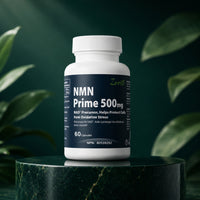
NMN is a compound involved in the production of NAD+, a molecule your cells use for energy metabolism and many normal cellular processes. NAD+ levels may decline with age, which is one reason NMN has become popular in conversations about longevity and healthy aging.
However, it is important to be realistic. Early human studies suggest NMN can increase NAD+ levels in the blood and may be well tolerated in the short term. But research is still developing, and there is not enough strong evidence to say NMN prevents aging, extends lifespan, or treats disease.
At Zeroo Health, we recommend thinking of NMN as an optional wellness supplement, not a magic anti-aging pill. The foundation should still be a nutrient-rich diet, regular movement, strength training, good sleep, stress management, and regular medical care.
What to Eat in Your 20s
Your 20s are often full of change. You may be studying, working, socializing, travelling, dating, starting a career, or learning how to live on your own. Because life can feel busy, nutrition may not always feel like a priority.
But your 20s are one of the best times to build healthy eating habits. The choices you make now can support your energy, hormones, bones, skin, digestion, fitness, and future health.
The goal in your 20s is not to follow a strict diet. The goal is to build a strong foundation.
1. Eat Enough Protein
Protein is important in your 20s because it helps build and repair muscle, supports your immune system, helps with fullness, and supports recovery after exercise.
If you work out, play sports, walk a lot, or have a physically active job, protein becomes even more important.
Good protein foods for your 20s include:
- Eggs
- Greek yogurt
- Chicken
- Turkey
- Fish
- Tofu
- Tempeh
- Beans
- Lentils
- Cottage cheese
- Lean meat
- Edamame
- Protein smoothies
A simple habit is to include protein at every meal. For example, you could have Greek yogurt at breakfast, chicken or tofu at lunch, and salmon or lentils at dinner.
2. Build Strong Bones Early
Your 20s are an important time for bone health. Bone mass usually reaches its peak in early adulthood. This means your younger years are a key time to support strong bones for later life.
Important nutrients for bone health include calcium, vitamin D, protein, magnesium, and vitamin K.
Good calcium-rich foods include:
- Milk
- Yogurt
- Cheese
- Fortified plant milk
- Calcium-set tofu
- Sardines with bones
- Kale
- Bok choy
Vitamin D helps your body absorb calcium. It is found in foods like fatty fish, egg yolks, fortified milk, and fortified plant-based drinks. Some people may need a vitamin D supplement, especially if they get little sunlight, but it is best to speak with a healthcare provider first.
3. Choose Better Carbs, Not No Carbs
Many people in their 20s cut carbohydrates because they think carbs are unhealthy. But carbohydrates are an important energy source, especially if you are active.
The key is to choose high-quality carbs most of the time.
Better carbohydrate choices include:
- Oats
- Brown rice
- Quinoa
- Whole grain bread
- Potatoes
- Sweet potatoes
- Fruit
- Beans
- Lentils
- Whole wheat pasta
Try to limit sugary drinks, candy, pastries, and highly processed snack foods. You do not need to avoid these foods completely, but they should not replace balanced meals.
4. Watch Alcohol, Sugary Drinks, and Late-Night Eating
Your 20s may include more social events, alcohol, takeout, and late-night meals. Enjoying food with friends is part of life, but frequent alcohol and fast food can affect sleep, digestion, mood, skin, weight, and energy.
Helpful habits include eating a balanced meal before drinking, alternating alcoholic drinks with water, choosing smaller portions of late-night food, and not skipping meals earlier in the day.

5. Learn Simple Cooking Skills
Learning how to cook in your 20s is one of the best long-term health investments you can make. You do not need to become a chef. You just need a few easy meals you can repeat.
Simple healthy meals include:
- Overnight oats
- Eggs with toast and fruit
- Rice bowls with chicken or tofu
- Sheet-pan vegetables and protein
- Lentil soup
- Stir-fry
- Greek yogurt bowls
- Tuna wraps
- Chickpea salad sandwiches
Cooking at home helps you control added sugar, sodium, portion size, and food quality.
Should You Take NMN in Your 20s?
For most healthy people in their 20s, NMN is usually not a top nutrition priority.
In this decade, your focus should be on building strong habits: eating enough protein, supporting bone health, staying active, sleeping well, and avoiding patterns like frequent alcohol, poor-quality sleep, and ultra-processed meals.
Because your body is still relatively young and resilient, the basics usually matter much more than longevity supplements.
Before thinking about NMN in your 20s, focus on:
- Eating protein at every meal
- Getting enough calcium and vitamin D
- Building muscle through exercise
- Eating high-fibre carbohydrates
- Drinking enough water
- Getting consistent sleep
- Limiting alcohol and sugary drinks
If you are interested in NMN, speak with a healthcare provider first, especially if you take medication, have a medical condition, are pregnant, or are breastfeeding.
For most people in their 20s, NMN should be seen as optional, not necessary.
Best Foods to Eat in Your 20s
Some of the best foods to eat in your 20s include eggs, oats, Greek yogurt, berries, bananas, salmon, chicken, tofu, lentils, beans, rice, potatoes, avocado, nuts, seeds, leafy greens, and whole grains.
In your 20s, focus on energy, muscle, bones, fitness, digestion, and building healthy habits you can keep.
What to Eat in Your 40s
Your 40s can bring changes in energy, sleep, metabolism, hormones, digestion, cholesterol, blood pressure, and body composition. Many people also notice that weight is easier to gain and harder to lose than it was in their 20s.
This does not mean your body is broken. It means your nutrition and lifestyle may need more attention.
In your 40s, the goal is prevention, stability, and strength.
1. Eat for Heart Health
Heart health becomes a bigger priority in your 40s. This is a smart time to pay attention to cholesterol, blood pressure, inflammation, and overall cardiovascular health.
A heart-healthy diet includes:
- Vegetables
- Fruit
- Beans
- Lentils
- Whole grains
- Fish
- Nuts
- Seeds
- Olive oil
- Low-fat or plain fermented dairy
- Lean proteins
Try to limit foods high in saturated fat, added sugar, sodium, and refined carbohydrates. These include sugary drinks, processed meats, deep-fried foods, sweet baked goods, and many packaged snacks.
Simple heart-healthy swaps include using olive oil instead of butter, eating fish instead of processed meat, choosing oats instead of sugary cereal, and adding beans or lentils to meals.
2. Increase Fibre
Fibre is one of the most important nutrients in your 40s. It supports digestion, cholesterol, blood sugar balance, gut health, and fullness.
High-fibre foods include:
- Beans
- Lentils
- Chickpeas
- Oats
- Barley
- Berries
- Apples
- Pears
- Broccoli
- Carrots
- Chia seeds
- Flaxseed
- Whole grains
A simple goal is to add one high-fibre food to each meal. Add berries to breakfast, beans to lunch, vegetables to dinner, or chia seeds to yogurt.
If you are not used to eating much fibre, increase it slowly and drink enough water.
3. Protect Muscle With Protein
Muscle mass can slowly decline with age, especially if you are not doing strength training. Less muscle can affect metabolism, strength, posture, blood sugar, and long-term mobility.
Protein helps protect and maintain muscle. In your 40s, try to spread protein throughout the day instead of eating most of it at dinner.
Good protein choices include:
- Eggs
- Fish
- Chicken
- Turkey
- Greek yogurt
- Cottage cheese
- Tofu
- Tempeh
- Beans
- Lentils
- Lean meats
Pair protein with resistance training, such as weight lifting, bodyweight exercises, Pilates, resistance bands, or strength-focused workouts.
4. Support Hormonal Changes
For many women, the 40s may bring perimenopause. Symptoms can include irregular periods, sleep changes, mood changes, hot flashes, and changes in body fat distribution.
Nutrition cannot stop normal hormonal changes, but it can support your body.
Helpful foods during this stage include:
- Soy foods like tofu, tempeh, edamame, and soy milk
- Calcium-rich foods
- Vitamin D-rich foods
- High-fibre foods
- Omega-3-rich fish
- Nuts and seeds
- Vegetables
- Whole grains
For men, hormonal changes can also happen gradually with age. A balanced diet, enough protein, healthy fats, strength training, sleep, and maintaining a healthy waist size can support metabolic and hormonal health.
5. Balance Blood Sugar
In your 40s, blood sugar balance becomes more important. Insulin resistance and prediabetes become more common with age, especially when paired with low activity, poor sleep, high stress, and excess body fat around the waist.
You do not need to avoid all carbohydrates. Instead, choose slower-digesting carbs and pair them with protein, fibre, and healthy fat.
Good examples include:
- Oats with Greek yogurt and berries
- Brown rice with salmon and vegetables
- Whole grain toast with eggs and avocado
- Lentil soup with salad
- Apple slices with peanut butter
- Quinoa with chicken and roasted vegetables
Try to reduce sugary drinks, frequent desserts, large portions of white bread or white rice, and snacks that are mostly sugar or refined flour.
Should You Take NMN in Your 40s?
Your 40s are often when people start thinking more seriously about energy, metabolism, hormones, skin, sleep, and long-term health. This is also when interest in supplements like NMN often begins.
NMN may be worth discussing with a healthcare provider if you are interested in supporting healthy aging and cellular energy. Some human studies suggest NMN supplementation can raise NAD+ levels, but the evidence for major health benefits is still limited.
In your 40s, NMN should not replace the habits that are proven to support healthy aging.
Before adding NMN, focus on:
- Eating enough protein
- Increasing fibre
- Supporting heart health
- Balancing blood sugar
- Strength training regularly
- Getting enough sleep
- Managing stress
- Checking blood pressure, cholesterol, and blood sugar
If you choose to take NMN, look for a reputable brand with third-party testing. Avoid products that promise dramatic anti-aging results, instant energy, disease prevention, or guaranteed longevity. These claims go beyond what current human research can prove.
At Zeroo Health, we see NMN as a possible add-on for some adults, but not the only foundation of healthy aging.
Best Foods to Eat in Your 40s
Some of the best foods to eat in your 40s include salmon, sardines, oats, beans, lentils, tofu, berries, leafy greens, olive oil, walnuts, chia seeds, flaxseed, Greek yogurt, eggs, quinoa, broccoli, and sweet potatoes.
In your 40s, focus on heart health, muscle, blood sugar, hormones, digestion, and steady energy.
What to Eat in Your 60s and Beyond
In your 60s and beyond, nutrition becomes even more important. Many people need fewer calories as they age, but the body still needs enough protein, vitamins, minerals, fibre, and water.
This means food quality matters more. Every meal is a chance to support strength, bones, brain health, digestion, hydration, and independence.
The goal in your 60s is healthy aging.
1. Prioritize Protein to Maintain Muscle
Muscle loss becomes more common with age. This age-related loss of muscle can affect balance, strength, walking speed, energy, and independence.
Protein is one of the most important nutrients for older adults. It helps maintain muscle and supports healing, immune function, and daily strength.
Good protein foods for your 60s include:
- Eggs
- Greek yogurt
- Cottage cheese
- Fish
- Chicken
- Turkey
- Tofu
- Beans
- Lentils
- Milk
- Fortified soy milk
- Nut butters
Try to include protein at breakfast, lunch, and dinner. If chewing is difficult, softer foods can help. Options include yogurt, eggs, fish, tofu, lentil soup, cottage cheese, smoothies, and soft beans.

2. Protect Bone Health
Bone health is a major priority in your 60s. The risk of osteoporosis and fractures increases with age, especially after menopause.
Important nutrients for bones include calcium, vitamin D, protein, magnesium, and vitamin K.
Bone-supporting foods include:
- Milk
- Yogurt
- Cheese
- Fortified plant milk
- Calcium-set tofu
- Canned salmon with bones
- Sardines with bones
- Leafy greens
- Beans
- Almonds
Vitamin D helps the body absorb calcium. Some older adults may need a supplement, but it is best to check with a healthcare provider before starting one.
3. Pay Attention to Vitamin B12
Vitamin B12 supports nerve function, red blood cell production, and energy metabolism. As people age, the body may have a harder time absorbing vitamin B12 from food.
Vitamin B12 is found in animal foods like fish, meat, poultry, eggs, milk, and yogurt. It is also found in fortified foods such as some breakfast cereals, nutritional yeast, and fortified plant milks.
Adults over 50 may benefit from getting vitamin B12 through fortified foods or supplements because these forms may be easier to absorb. If you have fatigue, numbness, tingling, weakness, or memory concerns, ask a healthcare provider about checking your B12 level.
4. Eat for Brain Health
A brain-healthy diet is similar to a heart-healthy diet. Foods that support healthy blood vessels also support the brain.
Brain-supportive foods include:
- Leafy greens
- Berries
- Fish
- Beans
- Lentils
- Whole grains
- Nuts
- Seeds
- Olive oil
- Vegetables
Try to limit highly processed foods, excess alcohol, sugary snacks, and foods high in saturated fat. These foods can crowd out the nutrient-rich foods your brain and body need.
5. Stay Hydrated
Hydration is very important in your 60s and beyond. Some older adults feel less thirsty, which can increase the risk of dehydration.
Dehydration may contribute to constipation, dizziness, confusion, urinary problems, and falls.
Helpful fluids include:
- Water
- Soup
- Milk
- Fortified plant milk
- Herbal tea
- Smoothies
- Fruit
- Vegetables
A simple habit is to drink water with each meal and keep a cup or bottle nearby during the day.
6. Choose Nutrient-Dense Foods
As calorie needs decrease, nutrient-dense foods become more important. These foods provide more vitamins, minerals, protein, and fibre in each bite.
Nutrient-dense foods include:
- Eggs
- Fish
- Greek yogurt
- Cottage cheese
- Beans
- Lentils
- Tofu
- Vegetables
- Fruit
- Nuts
- Seeds
- Whole grains
- Olive oil
- Fortified foods
If appetite is low, smaller meals and snacks may work better than large meals. Smoothies, soups, yogurt bowls, oatmeal, and soft cooked meals can be easier to eat.
Should You Take NMN in Your 60s?
In your 60s and beyond, nutrition becomes more important for maintaining strength, mobility, brain health, bones, and independence. This is also the stage where people may become more interested in supplements that support healthy aging.
NMN may support NAD+ levels, and early research has explored its possible effects on physical function, sleep, and metabolic health in older adults. Some studies suggest NMN may be well tolerated over short periods, but long-term safety and long-term benefits are still not fully understood.
Because older adults are more likely to take medications or have health conditions, it is especially important to speak with a healthcare provider before using NMN.
This is particularly important if you have:
- Cancer or a history of cancer
- Liver or kidney disease
- Diabetes
- Heart disease
- Autoimmune conditions
- Upcoming surgery
- Multiple prescription medications
In your 60s, the most important nutrition priorities are still protein, calcium, vitamin D, vitamin B12, fibre, hydration, and nutrient-dense meals. NMN may be considered only after these basics are in place.
A smart approach is to treat NMN as a possible support tool, not a replacement for food, movement, sleep, or medical guidance.
Best Foods to Eat in Your 60s
Some of the best foods to eat in your 60s include eggs, Greek yogurt, salmon, sardines, beans, lentils, tofu, oats, berries, leafy greens, olive oil, nuts, seeds, fortified milk, cottage cheese, sweet potatoes, and soups.
In your 60s and beyond, focus on muscle, bones, hydration, brain health, digestion, and nutrient-dense meals.
NMN vs Food: What Matters More?
NMN is often marketed as a longevity supplement, but food has a much stronger role in everyday health.
A balanced diet gives your body thousands of helpful compounds, including vitamins, minerals, fibre, amino acids, healthy fats, and antioxidants. These nutrients work together in ways that a single supplement cannot copy.
NMN may help increase NAD+ levels, but it does not replace:
- Protein for muscle
- Calcium and vitamin D for bones
- Fibre for digestion and cholesterol
- Omega-3 fats for heart and brain health
- Vitamin B12 for nerves and energy
- Water for hydration
- Whole foods for long-term disease prevention
The best strategy is to build the foundation first, then consider supplements only when they fit your health needs.
At Zeroo Health, we recommend a food-first approach. Supplements like NMN may have a place, but they should support your lifestyle, not replace it.

Simple Meal Ideas by Age
Here are easy meal ideas for each stage of life.
Healthy Meals for Your 20s
Breakfast: Oats with Greek yogurt, berries, and peanut butter
Lunch: Chicken or tofu rice bowl with vegetables and avocado
Snack: Apple with nuts
Dinner: Salmon, potatoes, and roasted vegetables
Healthy Meals for Your 40s
Breakfast: Eggs with whole grain toast and fruit
Lunch: Lentil soup with salad and olive oil dressing
Snack: Plain Greek yogurt with chia seeds
Dinner: Grilled fish, quinoa, and steamed vegetables
Healthy Meals for Your 60s
Breakfast: Greek yogurt with berries and ground flaxseed
Lunch: Tuna or chickpea salad with whole grain toast
Snack: Cottage cheese or fortified milk
Dinner: Soft cooked vegetables, salmon or tofu, and sweet potato
These are examples, not strict rules. The best diet is one that fits your culture, budget, health needs, appetite, and daily routine.
Foods to Limit at Every Age
You do not need to completely avoid any food unless your healthcare provider tells you to. But some foods are best limited because they can affect heart health, blood sugar, digestion, and weight when eaten too often.
Try to limit:
- Sugary drinks
- Processed meats
- Deep-fried foods
- Highly processed snacks
- Large portions of refined grains
- Foods high in added sugar
- Foods high in sodium
- Foods high in saturated fat
- Too much alcohol
Healthy eating is about your overall pattern. One meal will not ruin your health. What you eat most of the time matters most.
When to Get Personalized Nutrition Advice
General nutrition advice is helpful, but some people need a more personalized plan.
Speak with a healthcare provider or registered dietitian if you have:
- Diabetes or prediabetes
- Kidney disease
- Heart disease
- High blood pressure
- High cholesterol
- Digestive conditions
- Osteoporosis
- Low appetite
- Unexplained weight loss
- Food allergies
- Eating disorder history
- Pregnancy or breastfeeding
- Recent surgery or illness
- Use multiple medications
- Are considering supplements such as NMN
At Zeroo Health, we believe nutrition should support your real life. A good plan should be clear, practical, and built around your body, your goals, and your stage of life.
Final Thoughts: How to Eat Well at Every Age
What you eat in your 20s, 40s, and 60s should not be completely different. The foundation stays the same: eat more whole foods, get enough protein, choose high-fibre carbohydrates, include healthy fats, drink enough water, and limit highly processed foods.
But each age has its own focus.
In your 20s, focus on energy, bone strength, fitness, and building healthy habits.
In your 40s, focus on heart health, blood sugar, hormones, muscle, and steady energy.
In your 60s and beyond, focus on protein, bone health, vitamin B12, hydration, brain health, digestion, and nutrient-dense meals.
Supplements can also play a role, but they should be used wisely. NMN is one supplement that may support NAD+ levels, but current research does not prove that it reverses aging or extends lifespan in humans.
Healthy aging is not built on one supplement. It is built on consistent daily habits: nourishing food, regular movement, strength training, quality sleep, stress management, hydration, and preventive healthcare.
At Zeroo Health, we believe the best wellness plan is simple, realistic, and based on what your body actually needs at each stage of life.
Sources
https://nutritionsource.hsph.harvard.edu/healthy-eating-plate/
https://www.dietaryguidelines.gov/
https://www.nia.nih.gov/health/healthy-eating-nutrition-and-diet
https://www.nia.nih.gov/health/vitamins-and-supplements/vitamins-and-minerals-older-adults
https://ods.od.nih.gov/factsheets/list-all/
https://ods.od.nih.gov/factsheets/Calcium-Consumer/
https://ods.od.nih.gov/factsheets/VitaminD-HealthProfessional/
https://ods.od.nih.gov/factsheets/VitaminB12-Consumer/
https://www.nccih.nih.gov/health/vitamins-and-minerals
https://www.ahajournals.org/doi/pdf/10.1161/CIR.0000000000001031
https://www.heart.org/en/healthy-living/healthy-eating/eat-smart/fats/saturated-fats
https://www.heart.org/en/healthy-living/healthy-eating/eat-smart/sodium
https://www.heart.org/en/healthy-living/healthy-eating/eat-smart/sugar/added-sugars
https://www.cdc.gov/healthy-weight-growth/healthy-eating/index.html
https://www.cdc.gov/diabetes/healthy-eating/fiber-helps-diabetes.html
https://www.cdc.gov/diabetes/healthy-eating/choosing-healthy-carbs.html
https://www.healthlinkbc.ca/healthlinkbc-files/protein-and-your-health
https://www.nature.com/articles/s42255-025-01387-7
https://pmc.ncbi.nlm.nih.gov/articles/PMC9039735/
https://link.springer.com/article/10.1007/s11357-024-01204-1
https://link.springer.com/article/10.1007/s11357-022-00705-1
https://advances.nutrition.org/article/S2161-8313%2823%2901359-5/fulltext